Agave seemanniana
Jacobi
Cacaya
iNaturalist· cc-by-nc
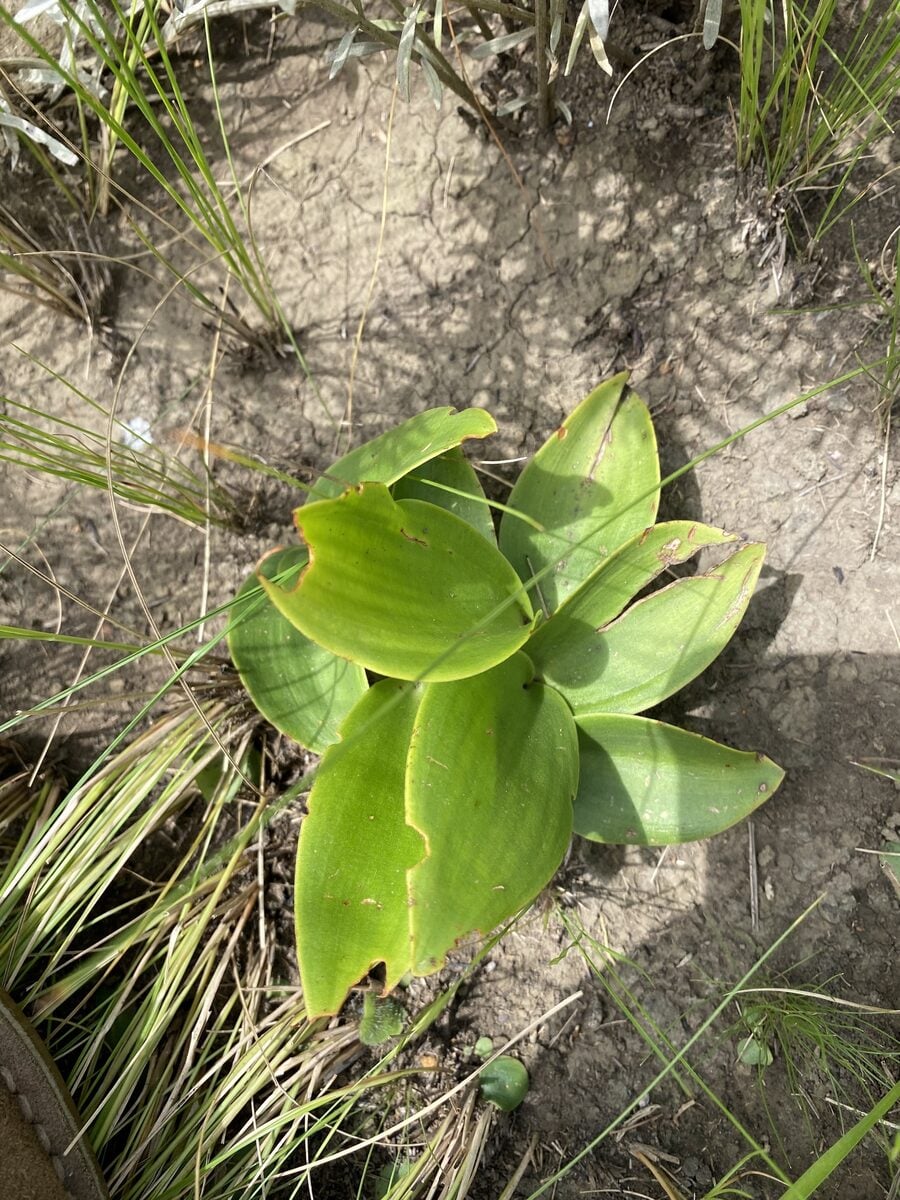
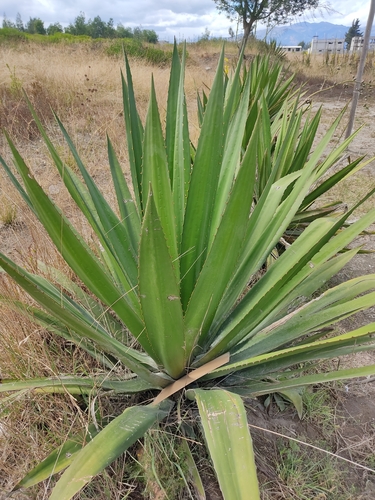
(c) Luis Alberto, some rights reserved (CC BY-NC), uploaded by Luis Alberto
iNaturalist· cc-by-nc
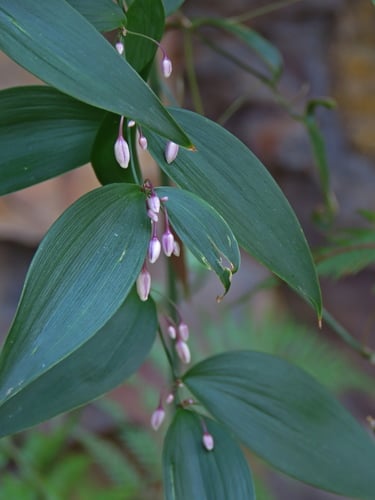
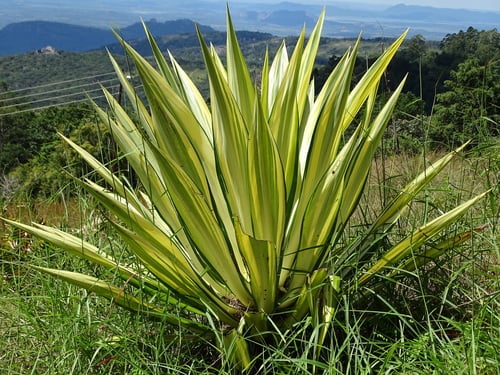
(c) Ray Martínez Jiménez, some rights reserved (CC BY-NC), uploaded by Ray Martínez Jiménez
iNaturalist· cc-by-nc
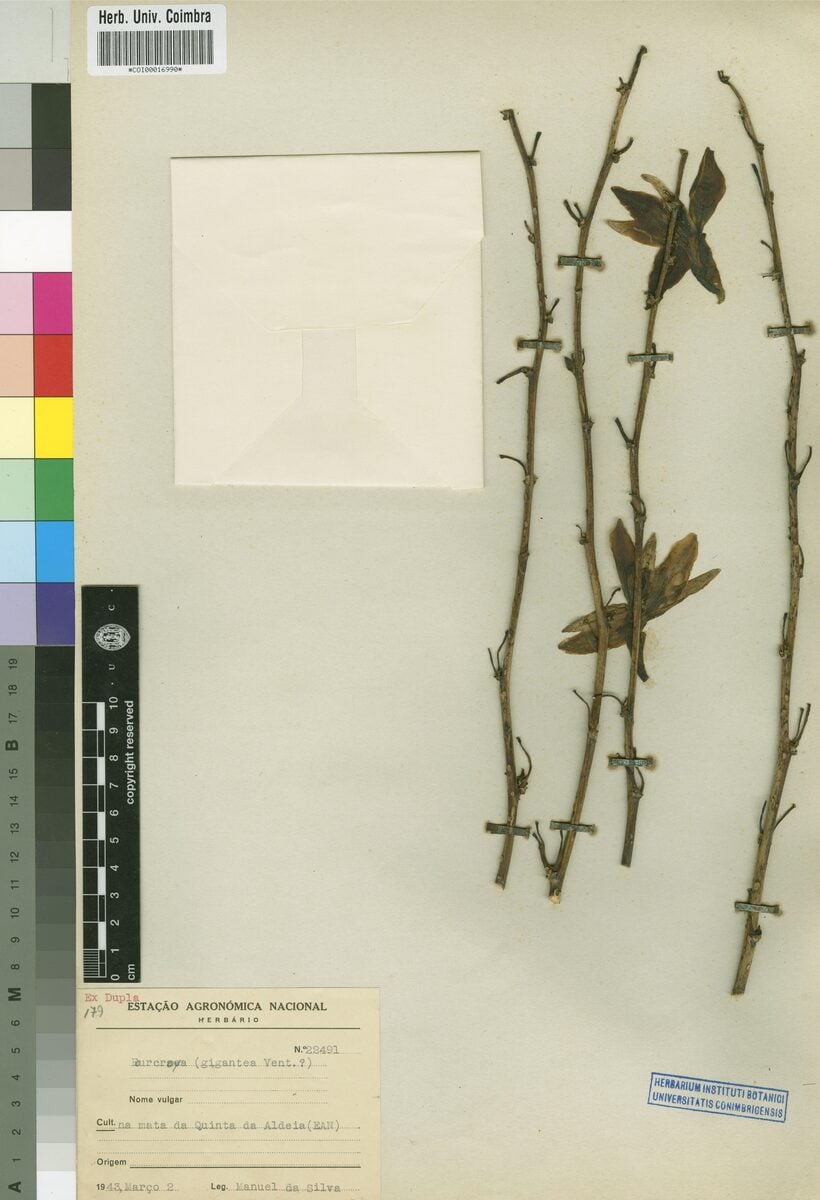
(c) Ray Martínez Jiménez, some rights reserved (CC BY-NC), uploaded by Ray Martínez Jiménez
Description
A large herb in the Asparagaceae family with a ring of large circular leaves at its base, native to temperate regions.
This description is brief — help expand it
Edible Uses
The plant is used to produce mezcal. Mezcal is a distilled alcoholic beverage that can be made from almost any species of Agave, though around seven species are especially favoured. Mature plants are harvested from the wild, their leaves and roots are removed and the remaining ‘hearts’ are baked (often in an earth oven), then mashed and the resulting liquid allowed to ferment for a few days before being distilled to produce mezcal. The plant is sometimes used to make pulque - a milk-coloured, somewhat viscous, alcoholic beverage that produces a light foam. Pulque is made by fermenting the sap of certain types of Agave plants. Plants take a number of years from seed before they start to produce their flowering stem - this is then cut out to leave a depressed surface 30 - 45cm in diameter in the centre of the plant in which the sap collects. This liquid is harvested twice a day from the plant and can be drunk without fermenting it, though most is used for fermentaton. The young and more tender leaves are sometimes roasted and eaten. The flesh is said to contain a large amount of sugar, thus making it palatable.
Traditional Uses
The bud is eaten stewed, fried, stuffed or scrambled with eggs.
This uses section is brief — help expand it
Known Hazards
The seedpods are rich in saponins and are used in rivers and lakes as a fish poison to stupefy fish. Many Agave species have strong, sharp spines on the leaves and leaf tips. In theory at least, the flowers, nectar, immature flowering stem and the centre of the rosette of all Agave species is edible and, with proper preparation, can provide a sweet, tasty foodstuff. Some species, however, contain relatively high levels of saponins (which makes them taste bitter) and some other compounds which can cause bellyache, and so these would only be eaten in times of desperation. In addition, many people may find these foods to be strongly laxative the first few times they eat them.
Distribution
It is a temperate plant.
Where It Grows
Central America, Costa Rica, Mexico, Nicaragua, North America,
Cultivation
Agave species are found mainly in the arid and semi-arid regions of southwestern N. America, especially in Mexico, extending from the warm temperate zone to the tropics often at moderate elevations. Many species can withstand at least a few degrees of frost, but only in drier regions and where soils are very well-drained. Agave species generally require a sunny position, succeeding in most soils of medium-fertility so long as they are very well-drained. Most species are undemanding as to the soil pH, though those found in the wild on limestone soils will grow better in neutral to alkaline conditions. Plants are generally very tolerant of dry conditions and of extended periods of drought. Most Agave species are monocarpic, individual rosettes living for a number of years without flowering before sending up an often very large flowering stem and then dying after flowering and setting seed. Individual plants take about 7 - 15 years in their native habitat, considerably longer in colder climates, before flowering. Members of this genus are rarely if ever troubled by browsing deer.
Propagation
Seed - surface sow in a container in a light position. The seed usually germinates in 1 - 3 months at 15 - 20°c. Prick out the seedlings into individual pots of well-drained soil when they are large enough to handle and grow them on in a sunny position until they are at least 10cm tall before planting out. Offsets and suckers can be potted up at any time they are available. Bulbils, where produced, are an easy method of propagation. Simply pot them up and plant out at the beginning of a growing season when they are 10cm or more tall.
Production
Plants take 3 or more years before being ready to harvest.
Notes
There are about 250 Agave species. The Agavaceae are mostly in the tropics and subtropics.
Synonyms
References (3)
- Gonzalez-Insuasti, M. S. and Caballero, J., 2007, Managing Plants Resources: How Intensive Can it be? Human Ecology, 35:303-314
- Gonzalez-Insuasti, M. S., et al, 2008, Factors that influence the intensity of non-agricultural management of plant resources. Agroforest Syst (2008) 74:1–15
- Gonzalez-Insuasti, M. S., et al, 2011, Intra-cultural Differences in the Importance of Plant Resources and Their Impact on Management Intensificaton in the Tehuacan Vallet, Mexico. Human Ecology 39:191-202