Berberis oblonga
(Regel) Schneid.
Oblong barberry
wikimedia· cc-by-sa
Wikimedia Commons - Krzysztof Ziarnek, Kenraiz
wikimedia· cc-by
Wikimedia Commons - Arkadiusz Nowak, Marcin Nobis, Sylwia Nowak, Agnieszka Nobis, Anna Wróbel, Sebastian Świerszcz, Ewelina Klichowska, Iwona Dembicz & Grzegorz Kusza
wikimedia· cc-by-sa
Wikimedia Commons - Schubbay
Description
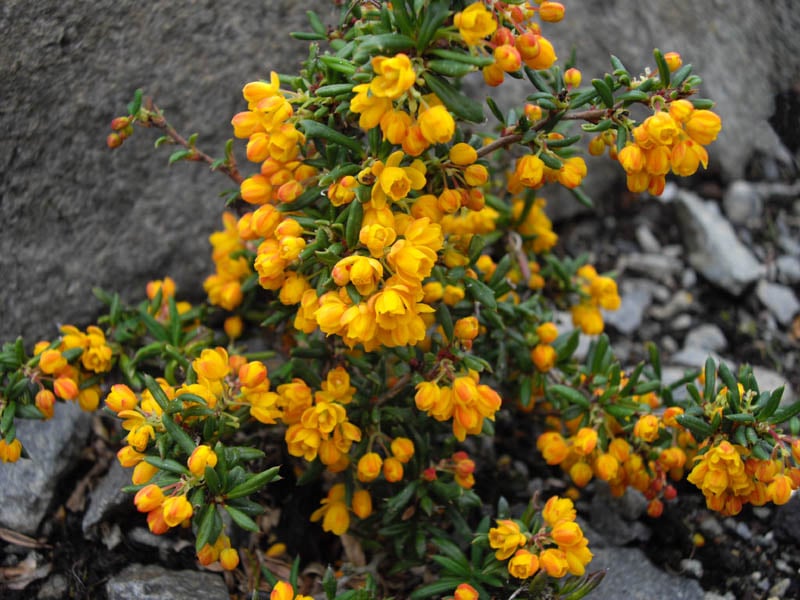
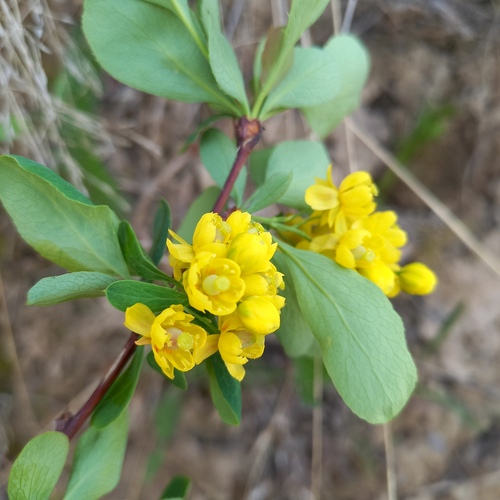
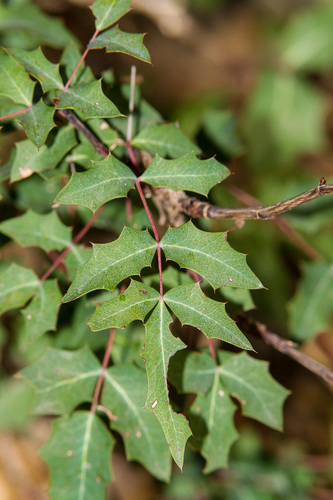
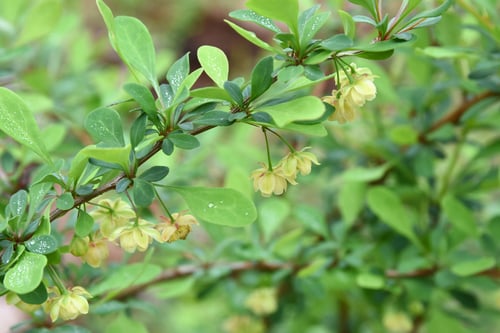
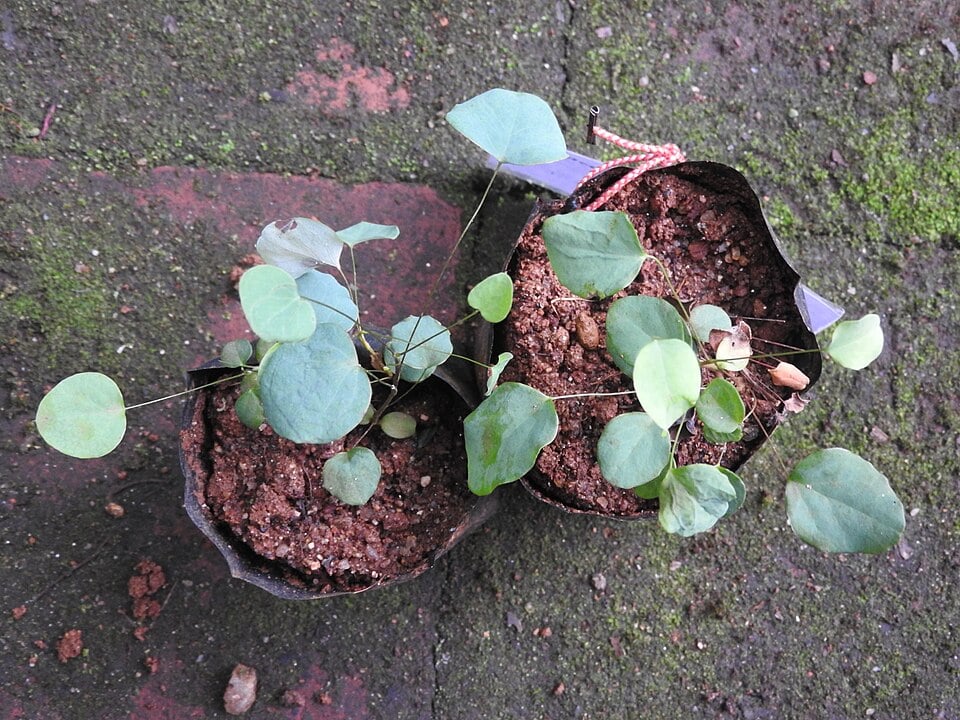
A shrub. It grows 4 m high. The bark is dark and violet-black. The leaves are leathery and narrowly oval. They are 10 cm long by 4-5 cm wide. They may have teeth around the edge. There can be prickles at the tip. Leaves are greyish-green on the upper surface and bluish underneath. There are 10-50 yellow flowers in a group 15 cm long. Each flower is 11 mm across. The fruit are violet-black berries. They have a bluish bloom. They are 10-15 cm long by 5-7 mm wide.
Edible Uses
The violet-black berries are edible.
Distribution
It is a temperate plant. In Kazakhstan it grows on stony slopes of mountains. It needs light well-drained soil. It is resistant to drought and frost.
Where It Grows
Asia, Australia, Central Asia, Kazakhstan, Kyrgyzstan, Tajikistan, Turkestan*, Uzbekistan,
Cultivation
It can be grown from cuttings taken in winter.
Synonyms
Also Known As
Korazirk
References (4)
- Bodkin, F., 1991, Encyclopedia Botanica. Cornstalk publishing, p 142
- Dzhangaliev, A. D., et al, 2003, The Wild Fruit and Nut Plants of Kazakhstan, Horticultural Reviews, Vol. 29. pp 305-371
- Horticultural Reviews Volume 29. Wild apple and Fruit trees of Central Asia. p 306
- Khojimatov, O. K. et al, 2015, Some wild growing plants in traditional foods of Uzbekistan. Journal of Ethnic Foods. 2 (2015) 25-28