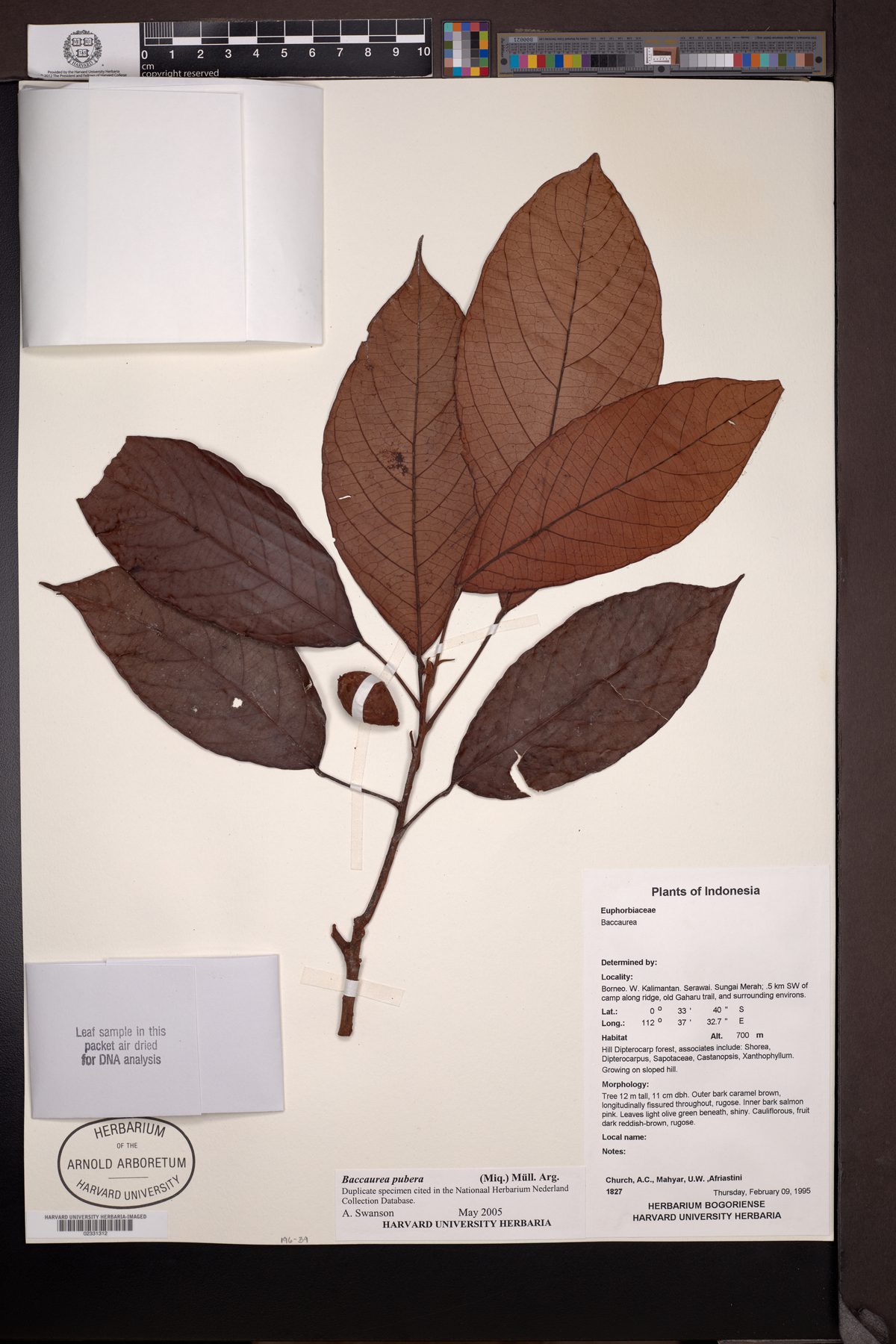
Phyllanthus engleri
Pax
Spurred phyllanthus
iNaturalist· cc-by-nc
(c) BenJee, some rights reserved (CC BY-NC), uploaded by BenJee
iNaturalist· cc-by-nc
(c) BenJee, some rights reserved (CC BY-NC)
Description
A shrub or small tree. It grows 4.5 m tall. The trunk is 15 cm across. The branches are long and covered with prickles. The leaves are alternate and in 2 rows. The leaf blade is narrowly oval and 2-3 cm long by 1-2 cm wide. The flowers are in groups or about 4 in the axils of leaves. The flowers are white and male and female flowers are separate. The fruit is a fleshy berry with 3 lobes. It can be 2-4 cm across. It is smooth and pale yellowish-green. It contains 6 seeds. The seeds are 3 sided and 1 cm long.
Edible Uses
The fleshy berries are eaten both young and mature, despite being acidic, and are sold in local markets.
Traditional Uses
The fruit are eaten. They are acidic but are eaten young or mature. Caution: The roots are very poisonous.
This uses section is brief — help expand it
Medicinal Uses
The leaves and fruits are chewed as a treatment for coughs and stomach-ache. The roots are boiled and the juice is drunk to treat bilharzia, STDs, abdominal pains, menstrual problems and chest pain. Some caution should be exercised because of possible toxicity.
Known Hazards
The bark and roots are toxic. Smoking the roots can lead to unconsciousness or death and the use of the roots as a suicide poison has been reported from Tanzania, Zambia and Zimbabwe. Alcohol extracts of the roots are highly toxic to rodents, and stem bark and roots are poisonous to sheep and cattle. Contradicting views exist on the toxicity of the above-ground parts.
Distribution
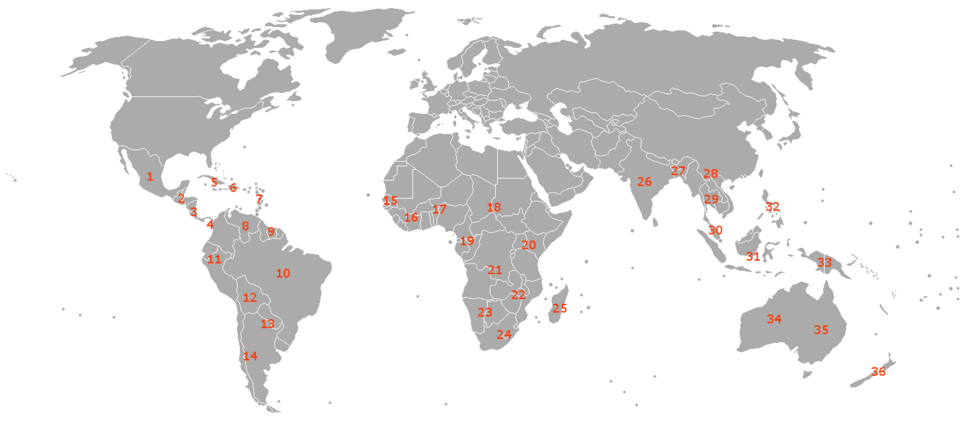
It is a tropical plant. It grows in the lowlands. It grows in dry deciduous woodland. It grows in Miombo woodland. It is often on termite mounds and grows between 300-1,850 m altitude.
Where It Grows
Africa, East Africa, Malawi, Mozambique, Southern Africa, Tanzania, Zambia, Zimbabwe,
Cultivation
Plants can be grown by seeds.
Other Uses
The stems are used as toothbrushes. The wood is used for carvings, poles and making cups and spoons. The wood is used for fuel.
Production
In Tanzania fruit are collected from April to August. Mature fruit can be stored in the shade for about 3 months.
Other Information
Fruit are sold in markets.
Also Known As
Bakwazi, Kamana, Mboromi, Mgogodi, Mgogondi, Mkingiligili, Msamayu, Mvingiligili, Ngogondi