Chrysophyllum boivinianum
(Pierre) Baehni
iNaturalist· cc-by-nc
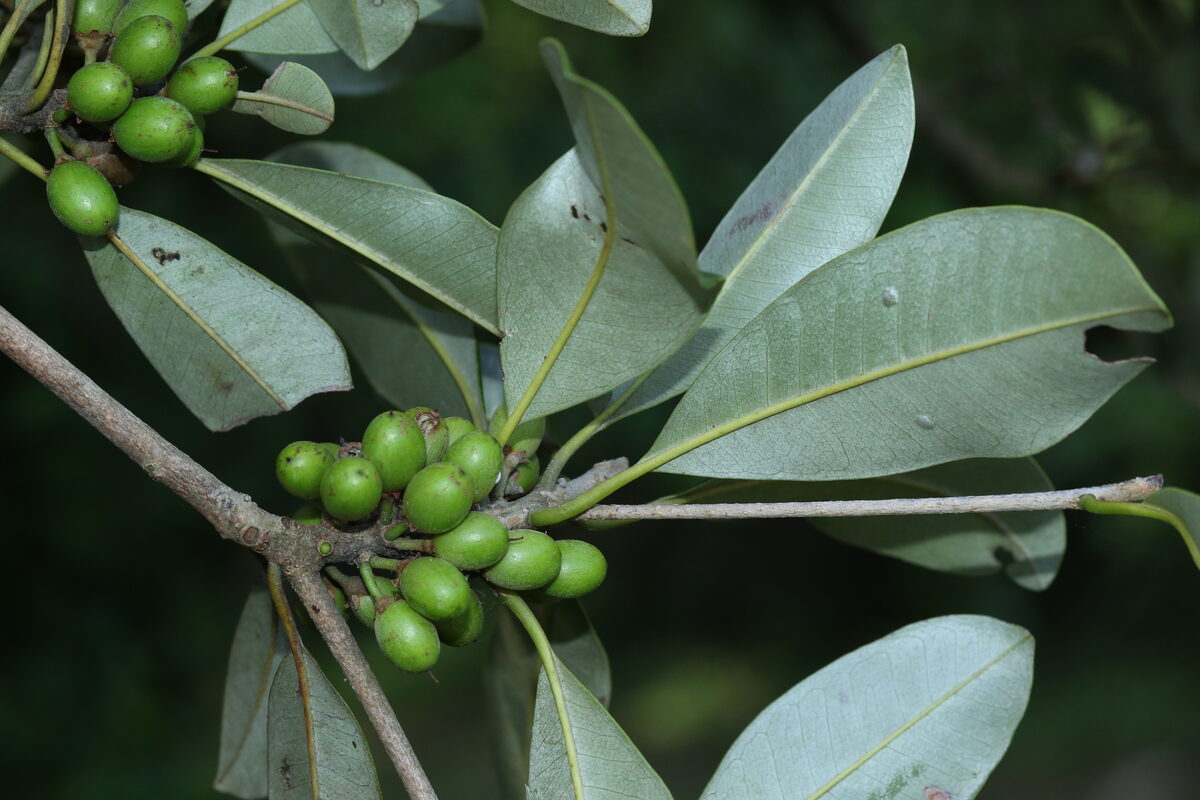
(c) RAKOTONASOLO Rivontsoa Andrimalala, some rights reserved (CC BY-NC), uploaded by RAKOTONASOLO Rivontsoa Andrimalala
iNaturalist· cc-by-nc
(c) felixromiguiere, some rights reserved (CC BY-NC)
Description
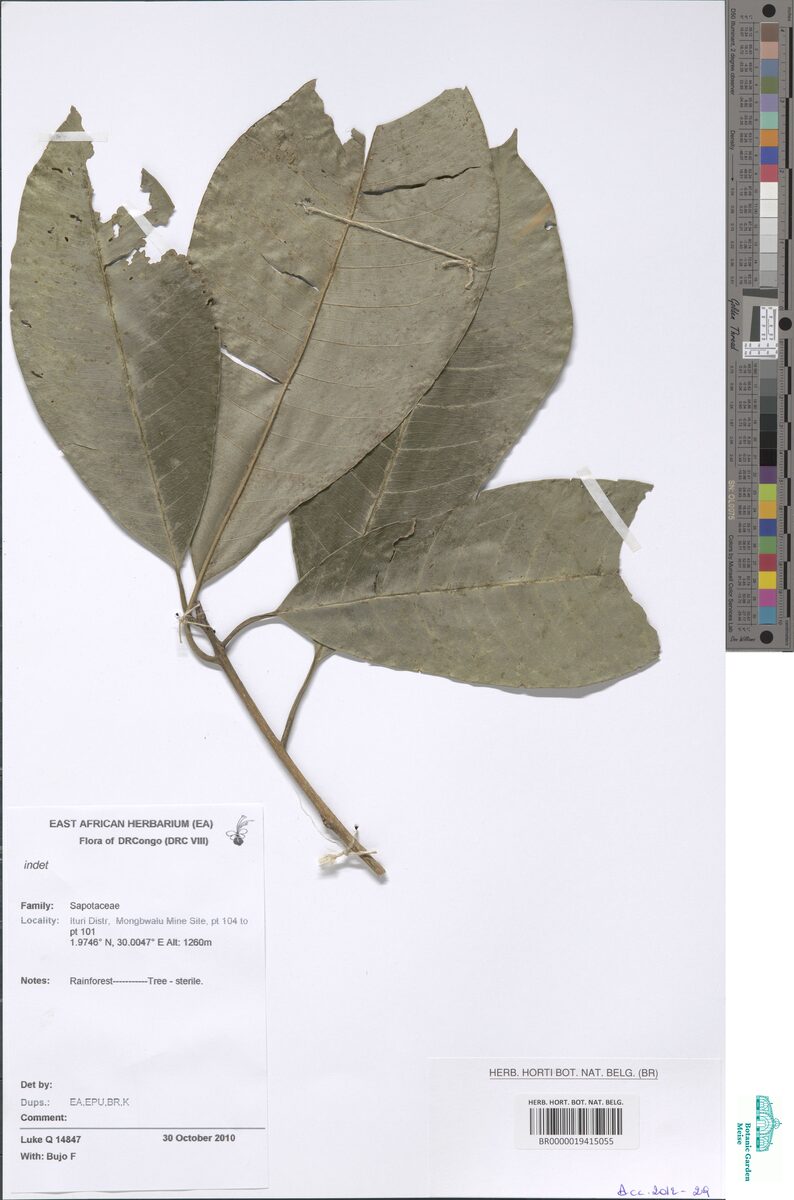
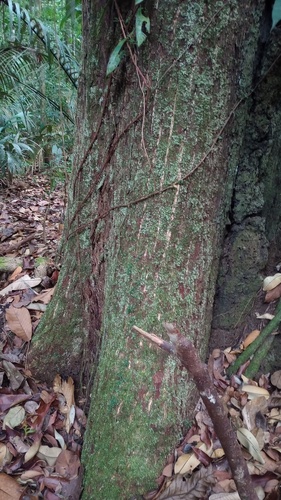
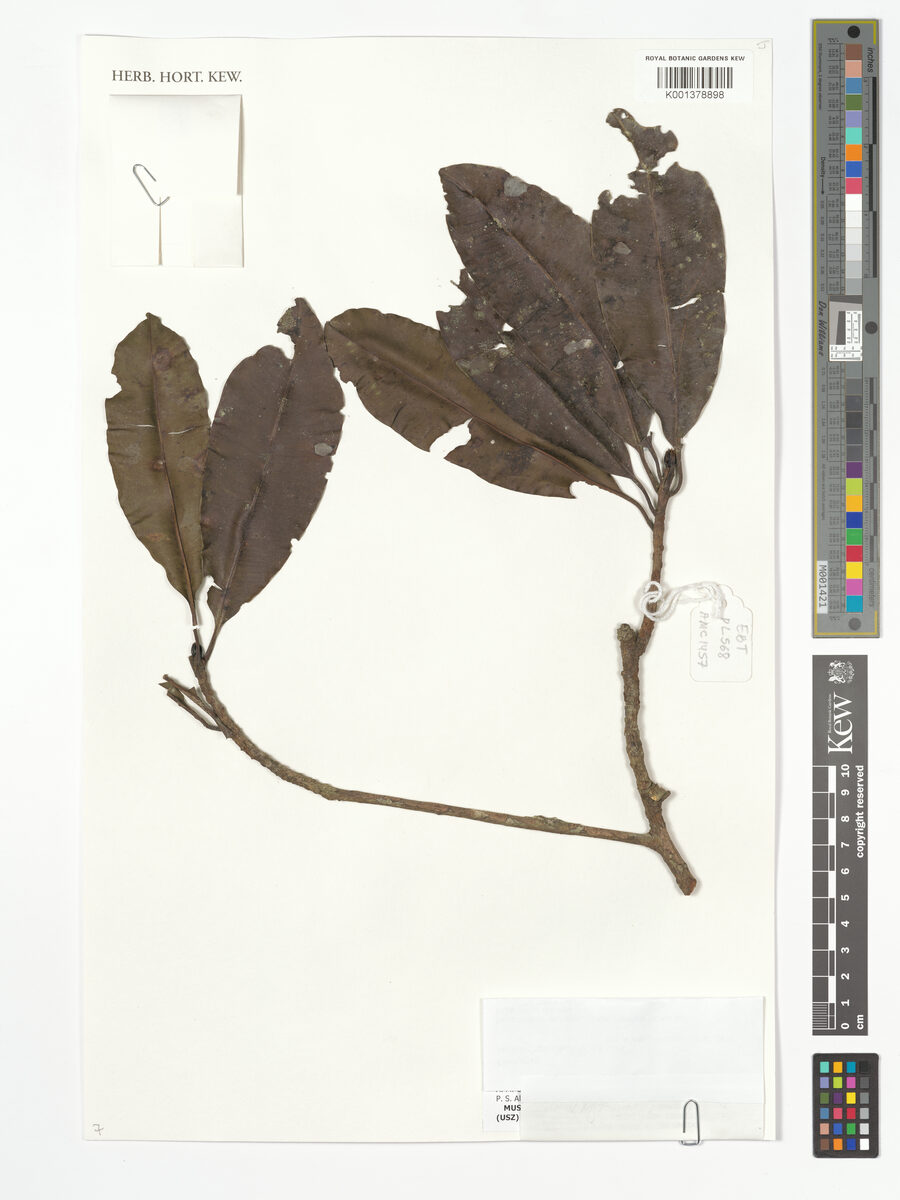
A medium sized tree. It grows 25 m tall. The trunk is 60 cm across. It is straight and it is often 18 m to the first branch. There can be slight buttresses near the base. The bark is smooth. The leaves are simple and entire and arranged in spirals. The leaf blade is 7-12 cm long by 2-4 cm wide. They can be larger. The flowers are in tufts in the axils of leaves. The fruit is a round berry up to 4.5 cm across. There are up to 5 seeds. The seeds are flattened and 3 cm long by 1.5 cm wide.
Edible Uses
The fruit is eaten.
Medicinal Uses
Crushed leaves are applied as a dressing to treat scorpion stings. The plant forms part of plant mixtures that are used to treat poisoning and to relieve symptoms of malaria, tiredness and muscular pains.
Distribution
It is a tropical plant. It grows in humid evergreen forest. It grows from sea level to 1,750 m altitude.
Where It Grows
Africa, Comoros, East Africa, Madagascar*,
Cultivation
A plant of the wet tropics, where it is found at elevations from sea level to 1,750 metres. Found in the wild mainly on lateritic soils, though it also grows well on sandy soils.
Other Uses
The inner bark exudes a sticky white latex. No uses are mentioned for it. The heartwood is cream-coloured to brownish yellow or pinkish brown, sometimes with irregular dark stripes; it is indistinctly demarcated from the 5 - 6cm wide band of sapwood. The grain is straight, occasionally slightly wavy; texture fine to moderately fine and even. The wood is medium-weight. It is easy to saw, works well with hand and machine tools, and it can be planed to an excellent finish. It does not easily split when nailed, but it holds nails and screws only moderately well. It has good gluing and painting properties. It turns well, and it has good steam bending properties. The wood is only moderately durable; it is liable to attacks by fungi and insects. The heartwood is resistant to treatment with preservatives, the sapwood moderately resistant. The wood is commonly used for interior joinery and carpentry, furniture, moulding, panelling, light flooring and ladders. It is also used in shipbuilding because of its elasticity.
Synonyms
Also Known As
Famelona, Reheky, Rehiaka, Voantsikidy
References (3)
- Ferns, Useful Tropical Plants
- Lemmens, R.H.M.J., 2007. Chrysophyllum boivinianum (Pierre) Baehni. [Internet] Record from Protabase. Louppe, D., Oteng-Amoako, A.A. & Brink, M. (Editors). PROTA (Plant Resources of Tropical Africa), Wageningen, Netherlands. < http://database.prota.org/search.htm>. Accessed 14 October 2009.
- Styger, E., et al, 1999, Indigenous fruit trees of Madagascar: potential components of agroforestry systems to improve human nutrition and restore biological diversity. Agroforestry Systems 46: 289-310