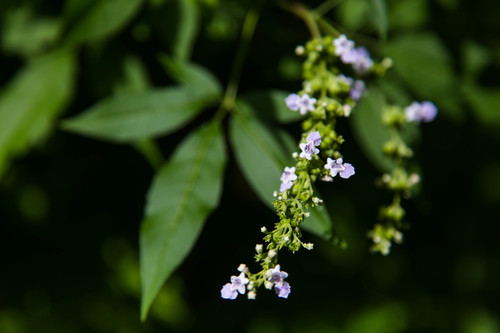
Origanum isthmicum
Danin
Za'tar
gbif· cc-by-nc
Desert Botanical Garden Herbarium (DES-)
gbif· cc-by-nc
The Hebrew University of Jerusalem
gbif· cc-by-nc
The Hebrew University of Jerusalem
Summary
Herbaceous perennial with hermaphroditic flowers. Grows in light sandy, medium loamy, and heavy clay soils, preferring well-drained conditions. Tolerates mildly acid to very alkaline pH. Can grow in semi-shade or full sun. Tolerates both dry and moist soil.
Description
Herbaceous perennial with hermaphroditic flowers. Grows in light sandy, medium loamy, and heavy clay soils, preferring well-drained conditions. Tolerates mildly acid to very alkaline pH. Can grow in semi-shade or full sun. Tolerates both dry and moist soil.
Edible Uses
The leaves are dried, powdered, and salted, then eaten with bread.
Medicinal Uses
None known.
Distribution
It is a Mediterranean plant.
Where It Grows
Egypt - Sinai, Israel, Mediterranean, Middle East,
Cultivation
We have very little information on this species and do not know if it will be hardy in Britain. The following notes are based on the general needs of the genus. Requires a rather dry, warm, well-drained soil, but is not fussy as to soil type, thriving on chalk. Prefers slightly alkaline conditions. Members of this genus are rarely if ever troubled by browsing deer.
Propagation
Sow seed in a greenhouse in early spring at 10–13°C, barely covering it. Germination typically occurs within two weeks. Prick out seedlings into individual pots once large enough to handle, and plant out into permanent positions in early summer. Divide in March or October. Larger divisions can go directly into permanent positions. Smaller divisions are better potted up and grown on in light shade in a cold frame until well established before planting out in late spring or early summer. Take basal cuttings of young, non-flowering shoots in June. Harvest shoots with plenty of underground stem when they are about 8–10cm above ground. Pot into individual pots and keep in light shade in a cold frame or greenhouse until rooting well, then plant out during summer.
Other Uses
None known.
References (1)
- Bailey, C. and Danin, A., 1981, Bedouin Plant Utilization in Sinai and the Negev. Economic Botany 35(2): 145-162