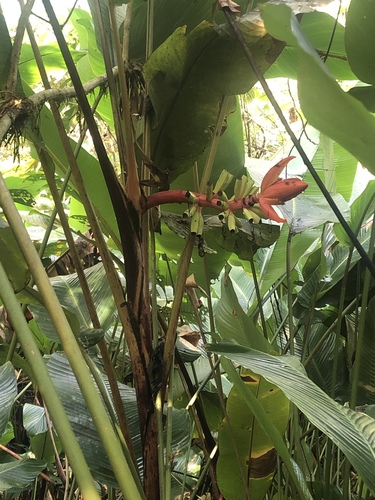
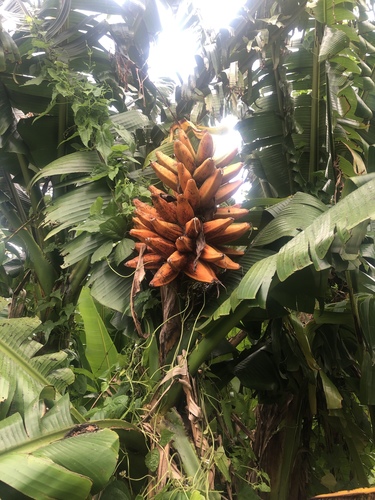
Musella lasiocarpa
(Franch.) C. Y. Wu ex H. W. Li
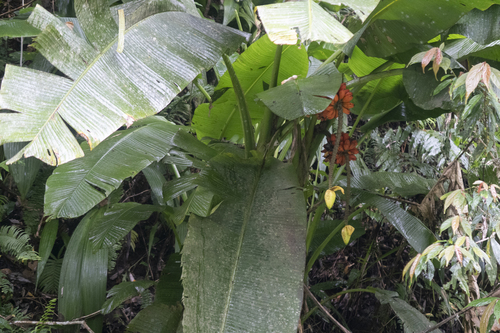
iNaturalist· cc-by-nc
(c) dave1941, some rights reserved (CC BY-NC)
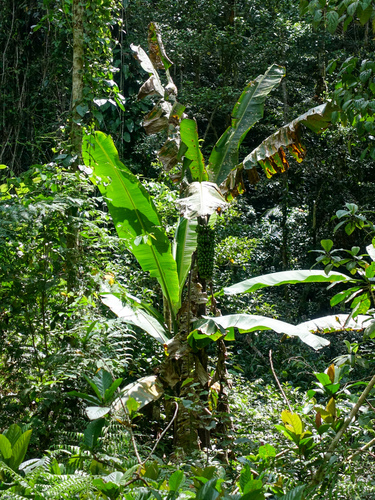
iNaturalist· cc-by-nc
(c) Shiqi Zhou, some rights reserved (CC BY-NC)
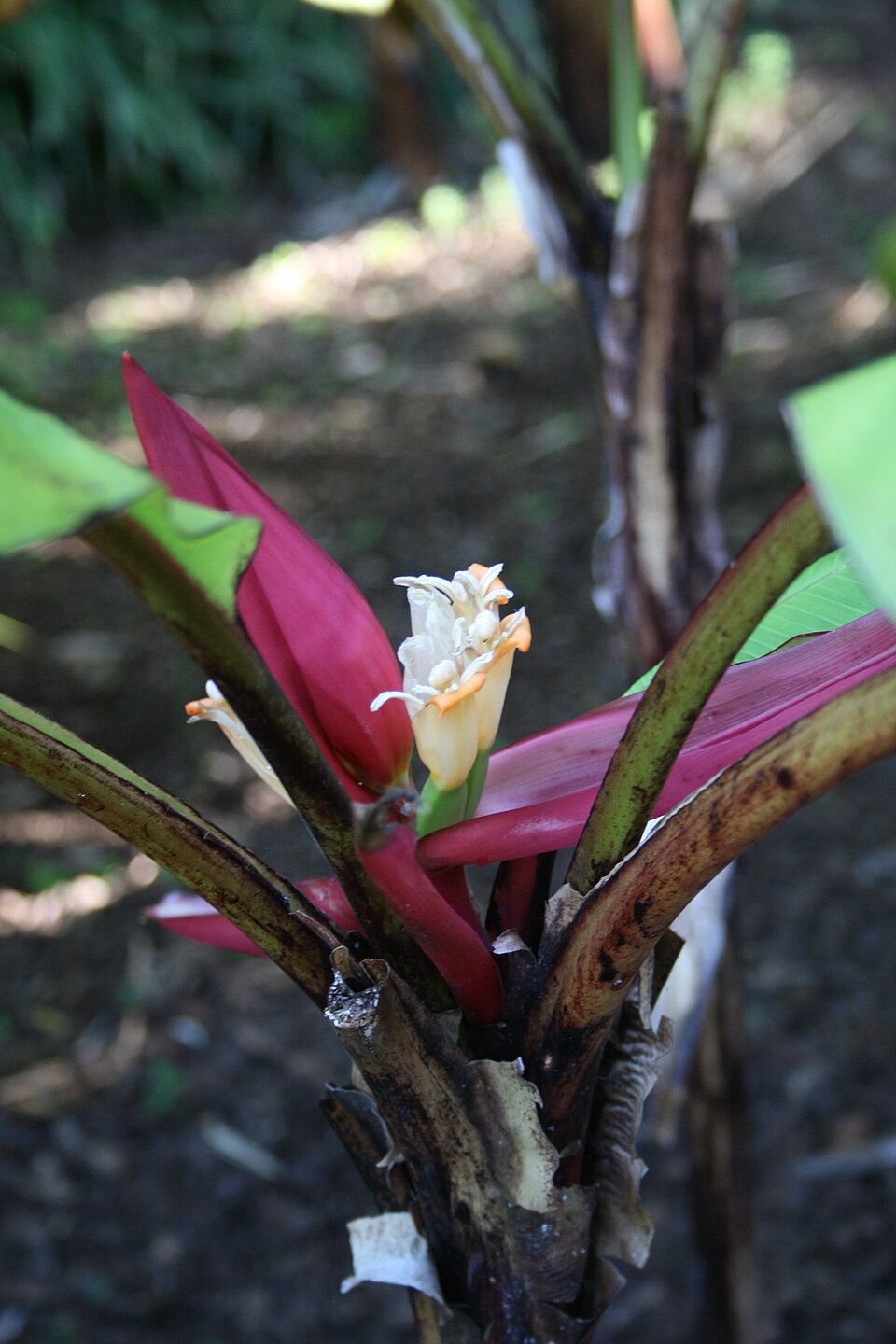
iNaturalist· cc-by-nc
(c) Shiqi Zhou, some rights reserved (CC BY-NC)
Summary
Source: WikipediaMusella lasiocarpa (syn. Musa lasiocarpa), commonly known as Chinese dwarf banana, golden lotus banana or Chinese yellow banana, is the sole species in the genus Musella. It is thus a close relative of bananas, and also a member of the family Musaceae.
Description
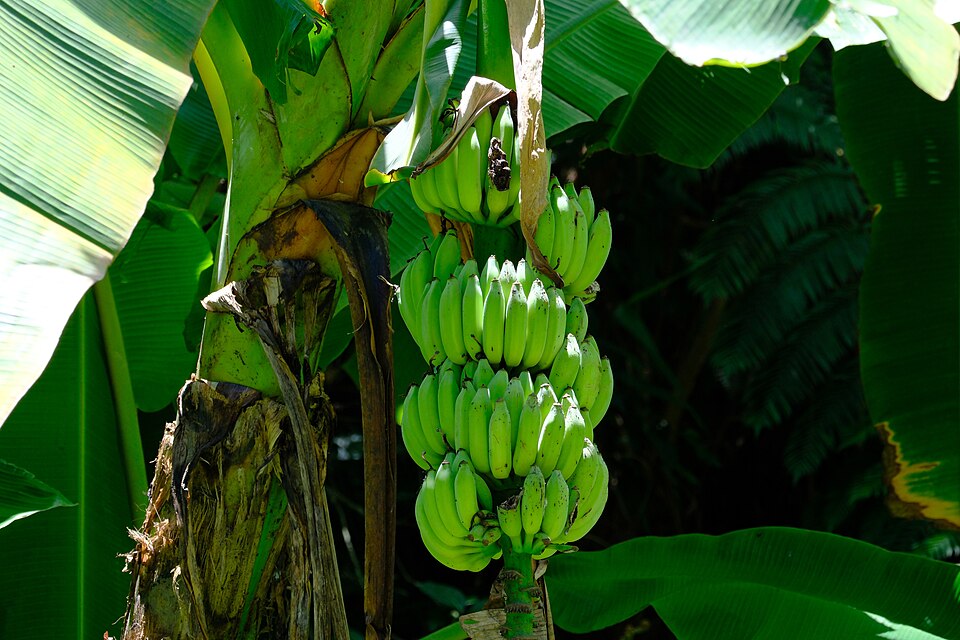
A banana family plant. The false stem is 60 cm long and 20 cm across. It has horizontal rhizomes. The leaves are 50 cm long by 20 cm wide. The flowering stalks are 20-25 cm. There are 8-10 flowers per bracts. The flowers are bright yellow. The fruit are 3 cm long by 2.5 cm wide. The seeds are brown to black.
Edible Uses
The inner stem pith (after leaf sheaths are removed) is soaked in lime water for several hours then cooked, or sliced and dried then cooked. The flowers are also eaten.
Traditional Uses
The inner stem after the leaf sheaths are removed in soaked in lime water for several hours then cooked. It is also sliced and dried then cooked.
This uses section is brief — help expand it
Distribution
It is a tropical plant. It grows in mixed forest at 1,500-2,500 m altitude in SW China. It can tolerate dry climates. In Yunnan.
Where It Grows
Asia, China*, Myanmar, North America, SE Asia, Singapore, Thailand, USA,
Other Information
It is a cultivated plant.
Notes
There is one Musella species.
References (3)
- Liu A., Kress, W. J. and Long, C., 2003, The Ethnobotany of Musella lasiocarpa (Musaceae), an Endemic Plant of Southwest China. Economic Botany 57(2):279-281
- Liu, Yi-tao, & Long, Chun-Lin, 2002, Studies on Edible Flowers Consumed by Ethnic Groups in Yunnan. Acta Botanica Yunnanica. 24(1):41-56
- Xu, You-Kai, et al, 2004, Wild Vegetable Resources and Market Survey in Xishuangbanna, Southwest China. Economic Botany. 58(4): 647-667.