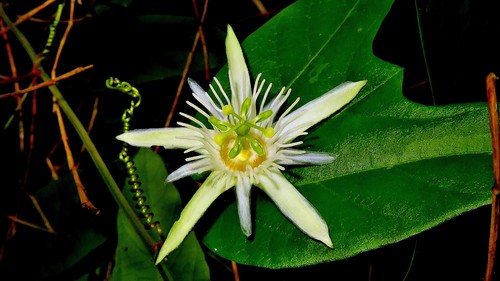
Passiflora mooreana
Hook. f.
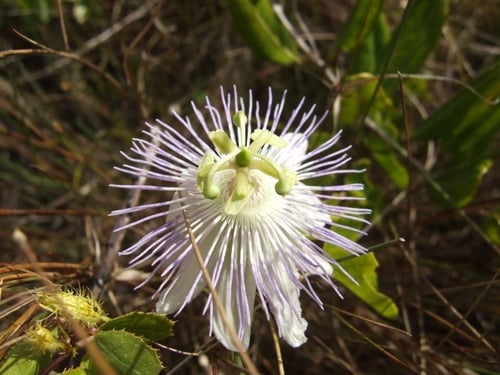
iNaturalist· cc-by
(c) Tomás Carranza Perales, some rights reserved (CC BY), uploaded by Tomás Carranza Perales
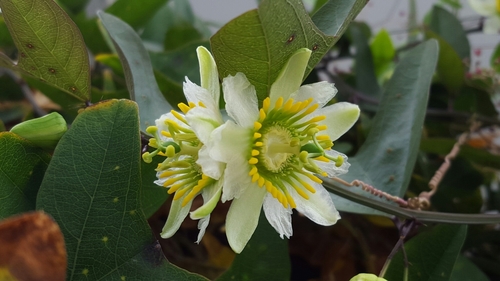
iNaturalist· cc-by
(c) aacocucci, some rights reserved (CC BY), uploaded by aacocucci
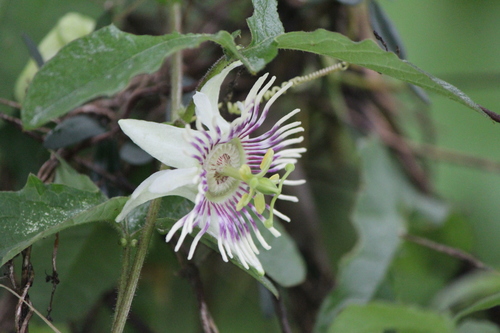
iNaturalist· cc-by
(c) aacocucci, some rights reserved (CC BY), uploaded by aacocucci
Description
A tropical and subtropical vine in the passion fruit family, bearing orange fruit. It grows from sea level to 1,000 m in Argentina and other warm regions.
Edible Uses
Passiflora incarnata (maypop) leaves and roots have a long history of use as a traditional medicine by Native Americans in North America and were adapted by European colonists. The fresh or dried leaves of maypop are used to make a tea that is used as a sedative. Passionflower as dried powder or an extract is used as a dietary supplement. There is insufficient clinical evidence for using passionflower to treat any medical condition. Passionflower is classified as generally recognized as safe for use as a food ingredient in the U.S.
Traditional Uses
The fruit are eaten when ripe. The seeds are also eaten.
This uses section is brief — help expand it
Known Hazards
Passion flower is not recommended during pregnancy because it may induce contractions. Consuming passion flower products may cause drowsiness, nausea, dizziness, abnormal heart rhythms, asthma, or rhinitis.
Distribution
It is a tropical and subtropical plant. In Argentina it grows from sea level to 1,000 m above sea level.
Where It Grows
Argentina, Bolivia, Paraguay, South America,
Also Known As
Alena kianisis si'mpe, Mburukuyami
References (5)
- Arenas, P. and Scarpa, G. F., 2006, Edible wild plants of the Chorote Indians, Gran Chaco, Argentina. Botanical Journal of the Linnean Society. Vol. 153 (1): pp 73-85
- Fouqué, A., 1972, Espèces fruitières d'Amérique tropicale. Institut français de recherches fruitierès outre-mer
- Montani, M. C. & Scarpa, G. F., 2016, Recursos vegetales y prácticas alimentarias entre indígenas tapiete del noreste de la provincia de Salta, Argentina. Darwiniana, nueva serie vol.4 no.1 San Isidro jul. 2016
- Scarpa, G. F., 2009, Wild food plants used by the indigenous peoples of South American Gran Chaco: A general synopsis and intercultural comparison. Journal of Applied Botany and Food Quality 83:90-101
- Schmedia-Hirschmann, G., 1994, Plants resources Used by the Ayoreo of the Paraguayan Chaco. Economic Botany Vol. 48. No. 3. pp. 252-258