Capparicordis tweediana
(Eichler) Iltis & Cornejo
Guiatua, Tweedie capparicordis
iNaturalist· cc-by-sa
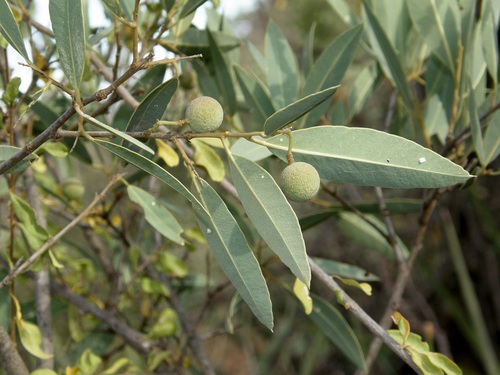
(c) Kozue Kawakami, some rights reserved (CC BY-SA)
iNaturalist· cc-by-sa
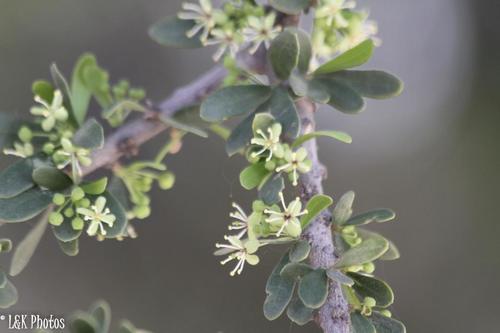
(c) Kozue Kawakami, some rights reserved (CC BY-SA)
iNaturalist· cc-by-sa
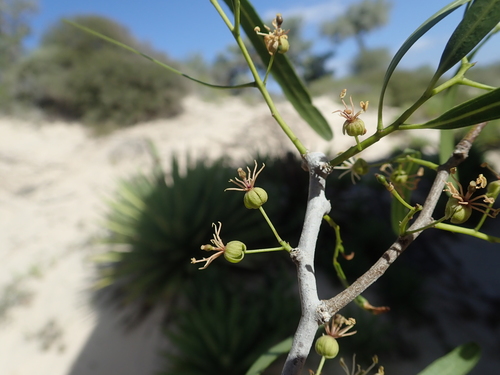
(c) Kozue Kawakami, some rights reserved (CC BY-SA)
Description
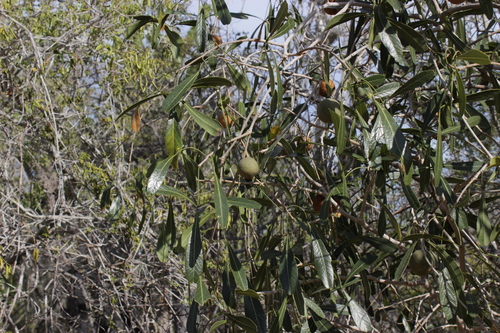
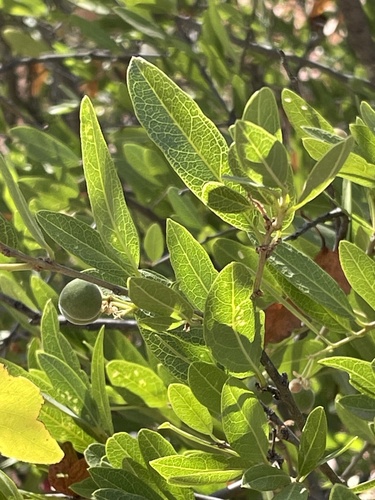
A subtropical shrub (family Capparaceae) with almost round leaves that grows continuously from year to year. It occurs in Argentina from sea level to 1,000 m elevation.
Edible Uses
Unripe fruit are boiled in water for several hours with 3-4 changes of water before eating. The pulp of very ripe fruit is eaten fresh.
Traditional Uses
The unripe fruit are boiled in water for several hours with 3-4 changes of water then eaten. The pulp of the very ripe fruit is eaten fresh.
This uses section is brief — help expand it
Distribution
It is a subtropical plant. In Argentina it grows from sea level to 1,000 m above sea level.
Where It Grows
Argentina, Bolivia, Brazil, Paraguay, South America,
Notes
There are about 250 Capparis species. There are about 50 Capparis species in tropical America.
Synonyms
Also Known As
Cayampa, Coca de cabra, Hediondillo, Huevo de perro, Ibaguasumi, Invaguajumi, I'tso'ok, Mbuy-cuaecaa, Meloncillo, Porotillo, Romerillo, Sacha membrillo, Sacha poroto, Sacha sandia, Wawasuna, Yerba de la comadreja
References (7)
- Arenas, P. and Scarpa, G. F., 2006, Edible wild plants of the Chorote Indians, Gran Chaco, Argentina. Botanical Journal of the Linnean Society. Vol. 153 (1): pp 73-85 (As Capparis tweediana)
- Bortolotto, I. M., et al, 2018, Lista preliminar das plantas alimenticias nativas de Mato Grosso do Sul, Brasil. Iheringia, Serie Botanica, Porto Alegre, 73 (supl.):101-116
- Grandtner, M. M. & Chevrette, J., 2013, Dictionary of Trees, Volume 2: South America: Nomenclature, Taxonomy and Ecology. Academic Press p 98
- Montani, M. C. & Scarpa, G. F., 2016, Recursos vegetales y prácticas alimentarias entre indígenas tapiete del noreste de la provincia de Salta, Argentina. Darwiniana, nueva serie vol.4 no.1 San Isidro jul. 2016
- Scarpa, G. F., 2009, Wild food plants used by the indigenous peoples of South American Gran Chaco: A general synopsis and intercultural comparison. Journal of Applied Botany and Food Quality 83:90-101 (As Capparis tweediana)
Show all 7 references Hide references
- Schmedia-Hirschmann, G., 1994, Plants resources Used by the Ayoreo of the Paraguayan Chaco. Economic Botany Vol. 48. No. 3. pp. 252-258 (As Capparis tweediana)
- www.theplantlist.org