Saurauia aspera
Turcz.
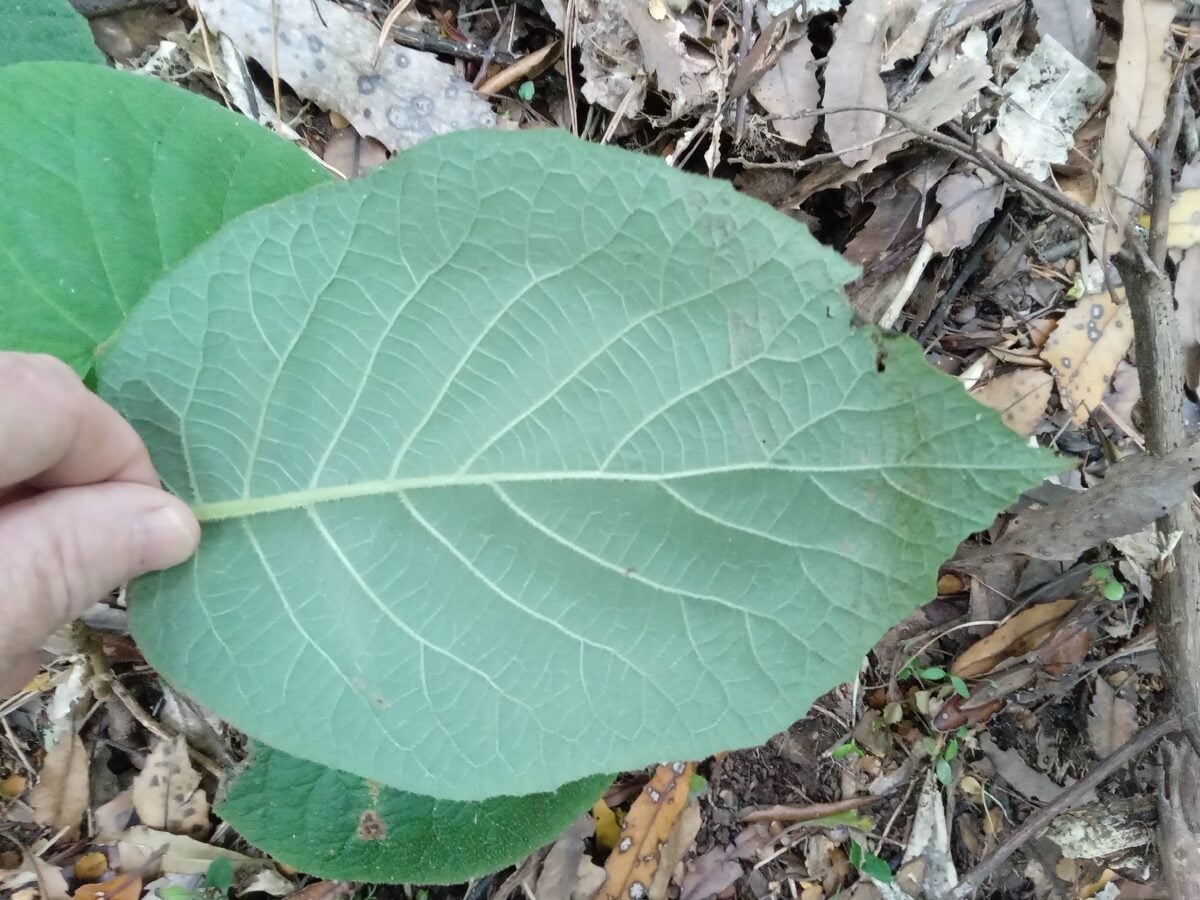
iNaturalist· cc-by-nc
(c) J Alejandro Rios Solis, some rights reserved (CC BY-NC), uploaded by J Alejandro Rios Solis
iNaturalist· cc-by-nc
(c) J Alejandro Rios Solis, some rights reserved (CC BY-NC)
Description
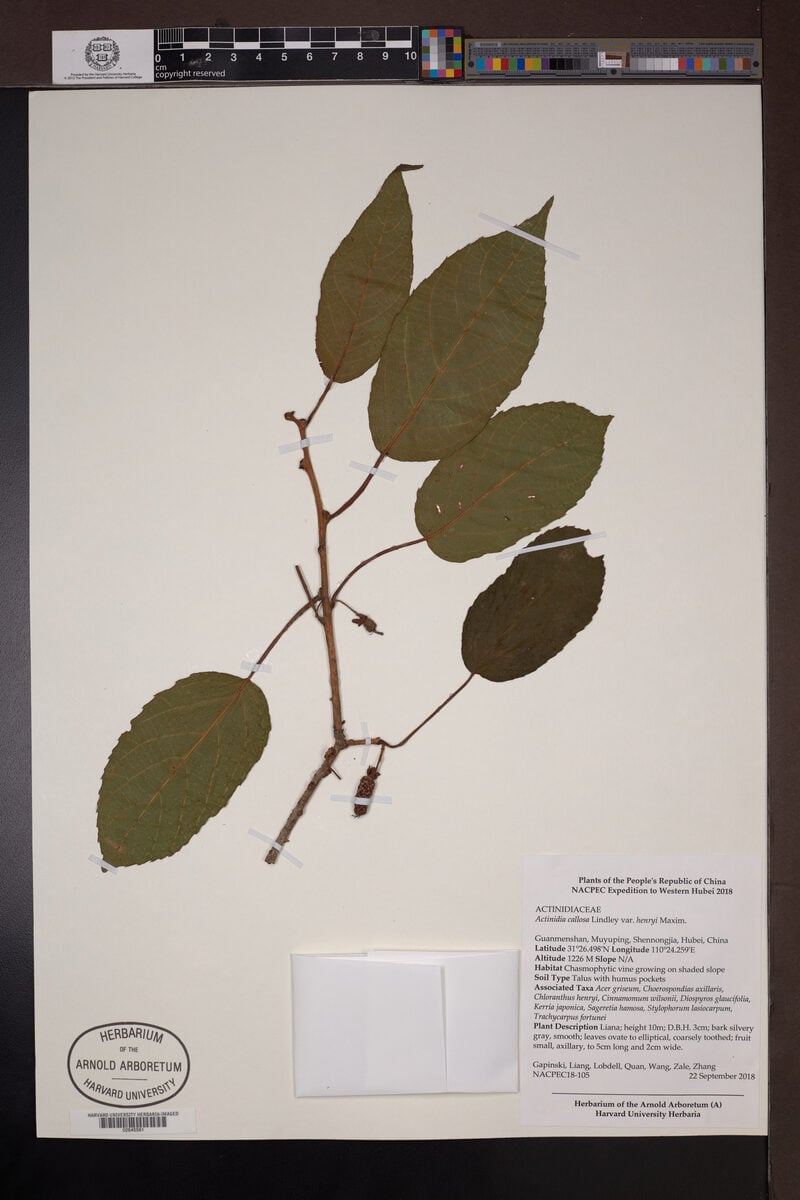
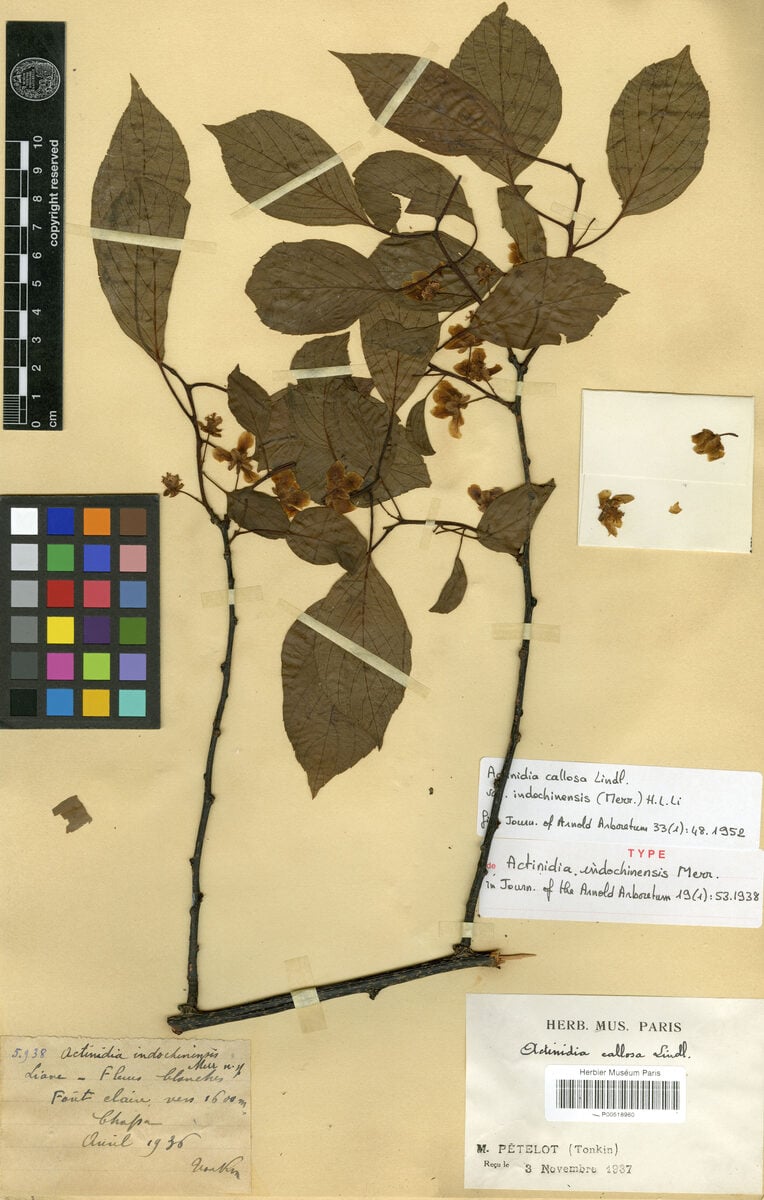
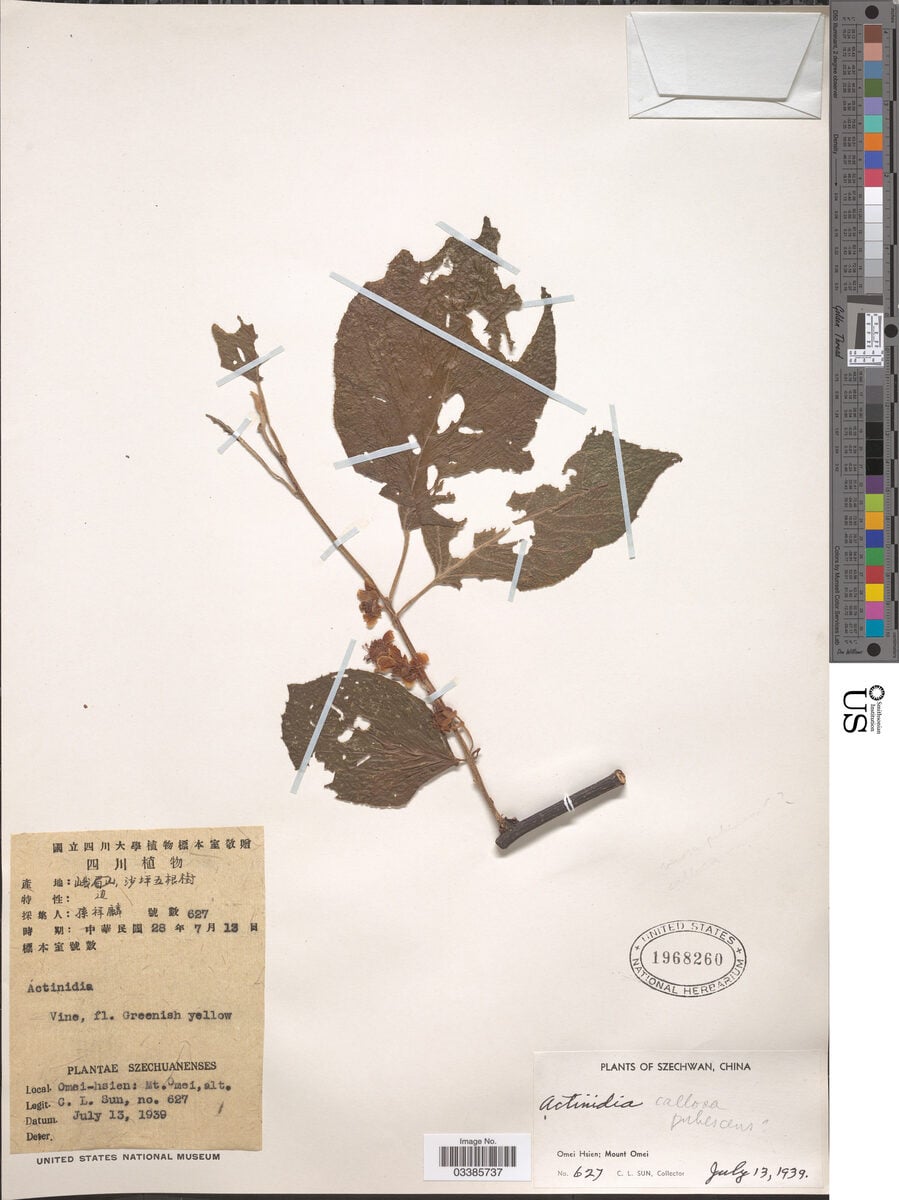
A small tree. It grows 15 m tall. The crown is wide-spreading. The trunk can be 25 cm across. The fruit are 6-8 mm across.
This description is brief — help expand it
Edible Uses
Fruit - raw or cooked. Very sweet and mucilaginous. The fruits can be dried for later use. The globose berries are 6 - 8mm in diameter.
Traditional Uses
The fruit are eaten raw or cooked. They can be dried for later use.
This uses section is brief — help expand it
Medicinal Uses
A decoction of the fruit is rich in mucilage and makes an effective emollient. It is used in the treatment of coughs, colds and throat irritations.
Distribution
It is a tropical plant. It grows in dense forests and along rivers. It grows between 20-2,000 m above sea level. It is best in a sunny position. It can just grow in the cloud forests.
Where It Grows
Central America, Guatemala, Honduras, Mexico*, Nicaragua, North America, South America,
Cultivation
A plant of low to moderate elevations in the moist tropics, where it can be found at elevations up to 2,000 metres. Prefers a sunny position.
Other Uses
The white wood is soft and coarse. We have no more information on the wood of this species, but the following is a general description of the wood from species in this genus. The wood is little used, except locally for fuel. It is a pale reddish brown throughout; not attractive; lustre rather low; odourless and tasteless; rather light, but firm, tough, and strong; texture medium; grain straight; easy to cut, saws finely woolly, is rather hairy under the plane; probably not durable. Useful locally for general carpentry and interior construction.
Other Information
It is a cultivated fruit tree.
Notes
Also in family Saurauiaceae.
Synonyms
Also Known As
Chilca, Chilidron, Ma-do-chay, Ma-do-tza, Mameyito, Palo de moca, Pipicho, Shka-ya-no, Taga-tzego
References (6)
- Fern, K., 2012, Tropical Species Database http://theferns.info/tropical/
- Fouqué, A. 1972. Espèces fruitières d'Amérique tropicale. Institut français de recherches fruitierès outre-mer
- Gonzalez-Espinosa, M. et al, 2011, The Red List of Mexican Cloud Forest Trees. Flora and Fauna International, Cambridge. p 13
- Kermath, B. M., et al, 2014, Food Plants in the Americas: A survey of the domesticated, cultivated and wild plants used for Human food in North, Central and South America and the Caribbean. On line draft. p 786
- Lentz, D. L., 1993, Medicinal and Other Economic Plants of the Paya of Honduras. Economic Botany, Vol. 47, No. 4, pp. 358-370
Show all 6 references Hide references
- Segura, S. et al, 2018, The edible fruit species in Mexico. Genet Resour Crop Evol (2018) 65:1767–1793