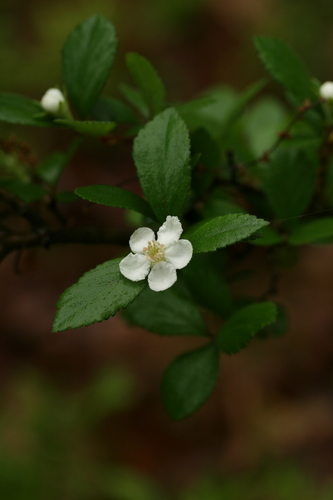
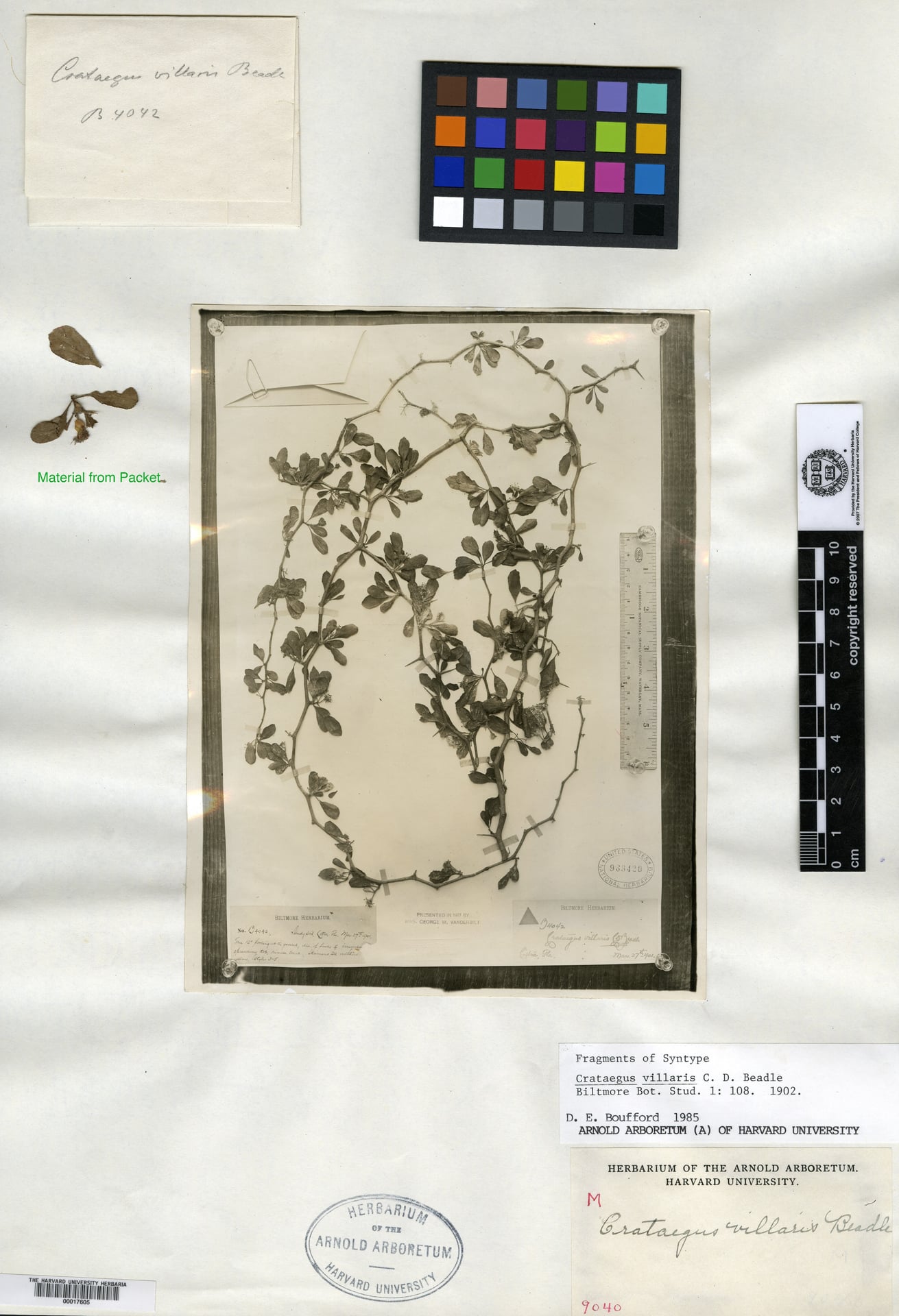
Sibbaldia cuneata
Kunze
Petma
iNaturalist· cc-by-nc
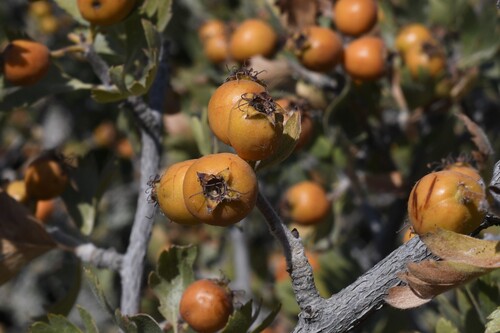
(c) Aniruddha Singhamahapatra, some rights reserved (CC BY-NC), uploaded by Aniruddha Singhamahapatra
iNaturalist· cc-by
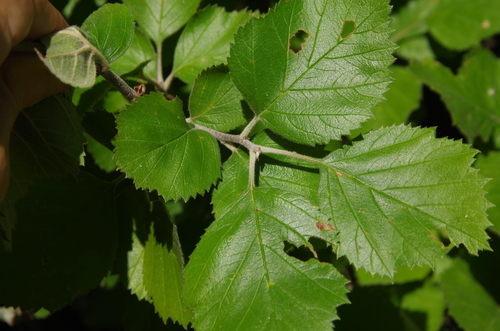
(c) Cheng-Tao Lin, some rights reserved (CC BY), uploaded by Cheng-Tao Lin
iNaturalist· cc-by
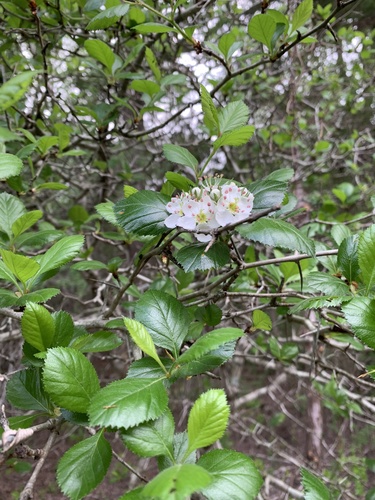
(c) Étienne Léveillé-Bourret, some rights reserved (CC BY), uploaded by Étienne Léveillé-Bourret
Summary
Source: WikipediaSibbaldia cuneata, the cuneate cinquefoil or five finger cinquefoil, is a species of flowering plant in the family Rosaceae, native to Afghanistan, Pakistan, the Himalaya, China, and Taiwan. As its synonym Potentilla cuneata it has gained the Royal Horticultural Society's Award of Garden Merit.
Description
A herb. It keeps growing from year to year. It has a woody base. The flowering stems are erect ad 5-14 cm tall. The leaves are the base are 2-10 cm long. They have 3 leaflets. They are broadly oval and 1-3 cm long by 1-2 cm wide. There are 3-5 teeth along the edge. The leaves on the stems are smaller. The flowers are in a compact group at the top of the plant.
Edible Uses
The leaves are processed into tea.
Distribution
It is a temperate plant. In China it grows in alpine meadows and rock crevices between 3,400-4,500 m above sea level. In Sichuan and Yunnan.
Where It Grows
Afghanistan, Asia, Bhutan, China, Himalayas, India, Nepal, Northeastern India, NW India, Pakistan, Russia, Sikkim, Tibet,
References (2)
- Battacharyya, A., 1991, Ethnobotanical Observations in the Ladakh Region of Northern Jammu and Kashmir State, India. Economic Botany, Vol. 45, No. 3, pp. 305-308
- Flora of China @ efloras.org Volume 9