Limonium sinuatum
(L.) Mill.
Sea lavender, Wavyleaf sea lavender
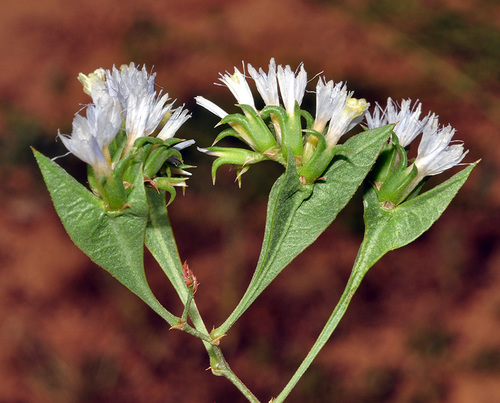
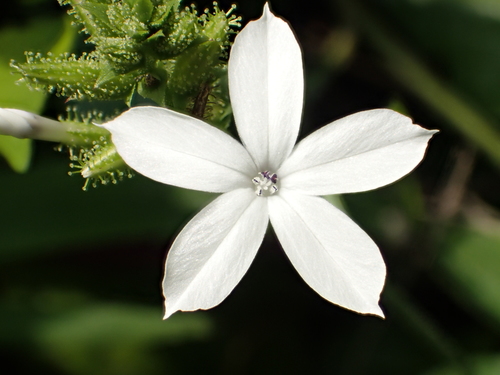
iNaturalist· cc-by-nc
(c) stevennoyes, some rights reserved (CC BY-NC), uploaded by stevennoyes
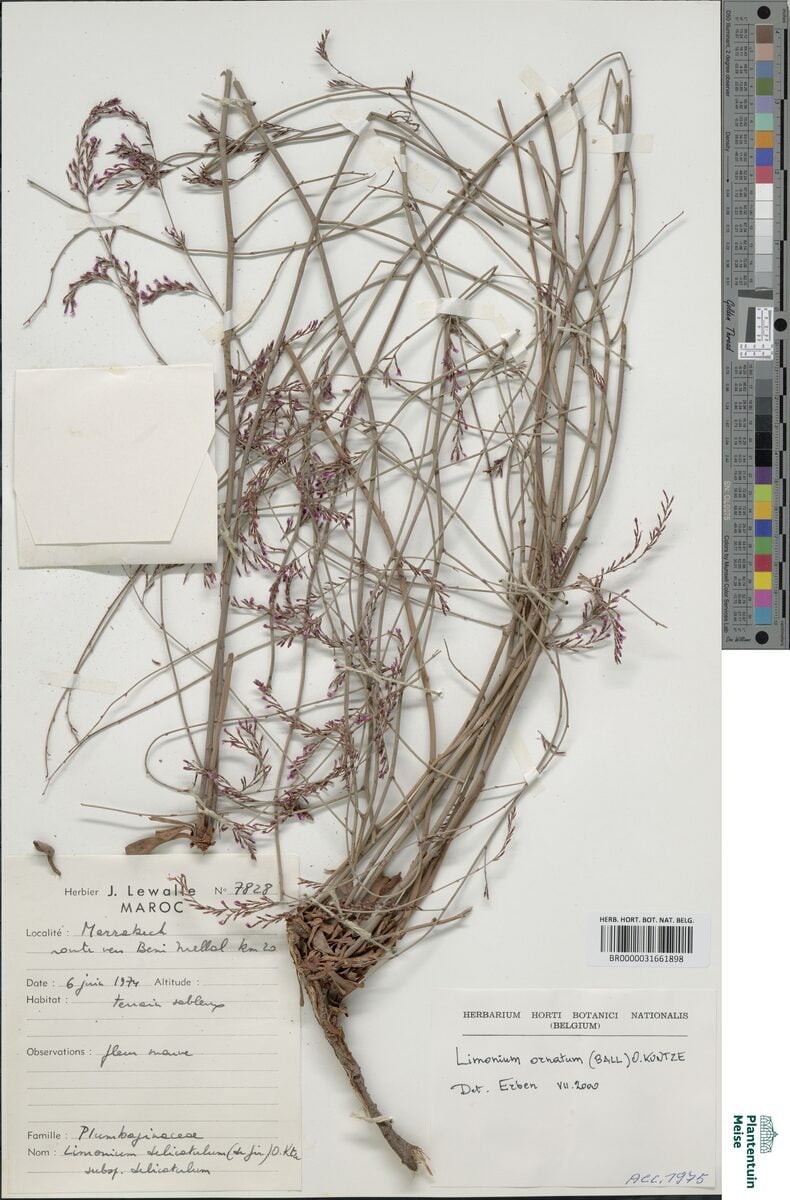
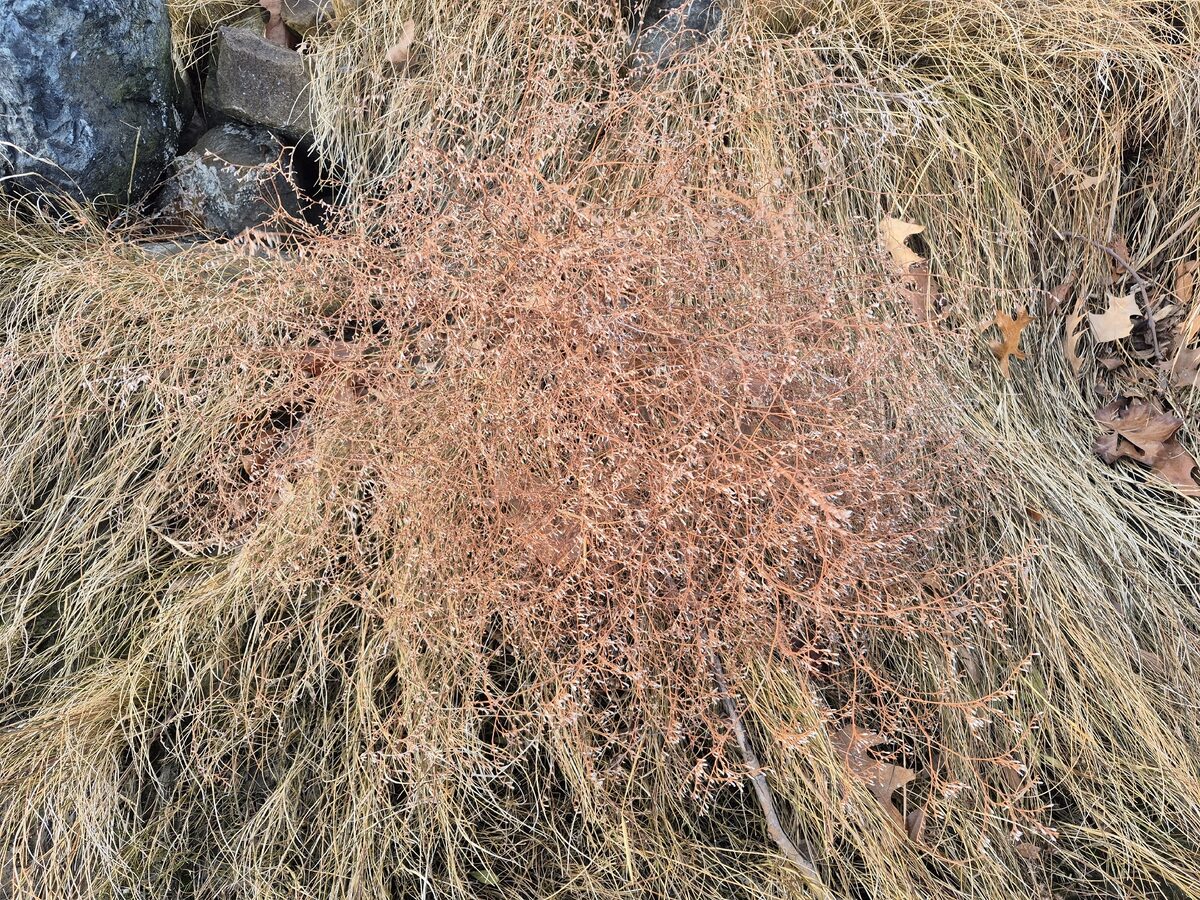
iNaturalist· cc-by-nc
(c) Stacie Wolny, some rights reserved (CC BY-NC), uploaded by Stacie Wolny
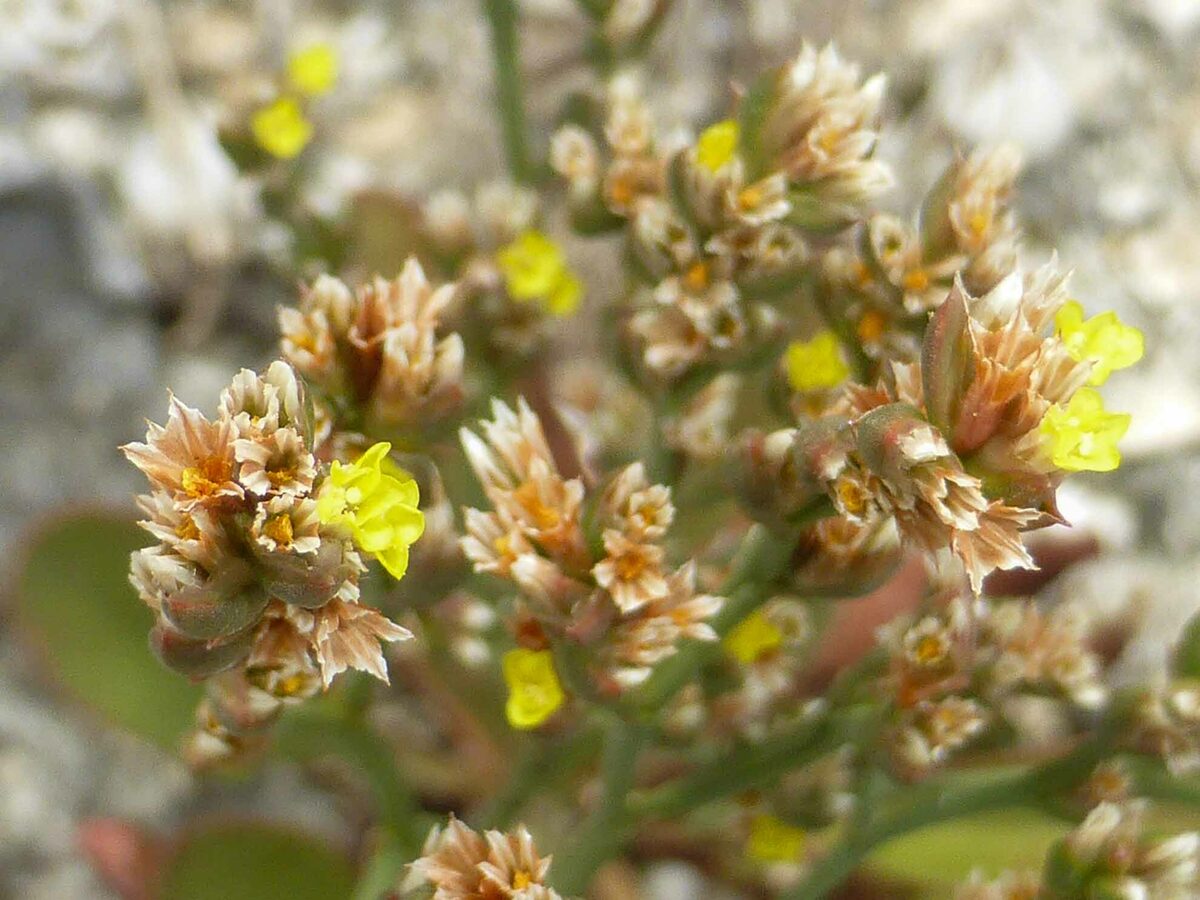
iNaturalist· cc-by-nc
(c) Nicolas HELITAS, some rights reserved (CC BY-NC), uploaded by Nicolas HELITAS
Summary
Source: WikipediaLimonium sinuatum, commonly known as wavyleaf sea lavender, statice, sea lavender, notch leaf marsh rosemary, sea pink, is a Mediterranean plant species in the family Plumbaginaceae known for its papery flowers that can be used in dried arrangements. It is native to the whole Mediterranean Basin. It usually grows up in sandy grounds.
Description
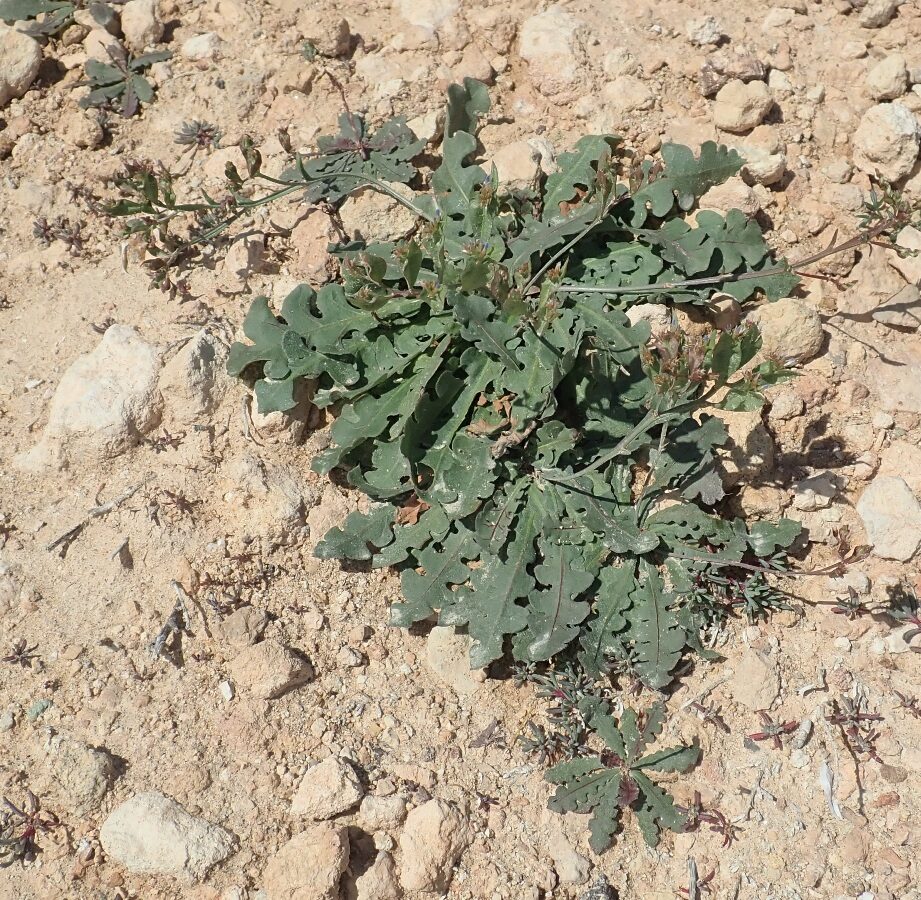
A herb. It can grow each year from seed or keep growing from year to year. It grows 1 m high. It has long spreading hairs. The leaves are near the base. They are sword shaped. They are 3-10 cm long by 1-3 cm wide. Flowers are in compact spikes of 3-4 flowers. They are cream/blue.
Edible Uses
The young stems and leaves are eaten raw with olives, mixed with olive oil in salads, and used in stews. The flowers are also edible.
Traditional Uses
The young stems and leaves are eaten raw with olives. They are also mixed with olive oil and eaten in salads. They are also used in stews.
This uses section is brief — help expand it
Distribution
It is a Mediterranean plant. It grows on sand-dunes and waste places. It grows in the Sahara.
Where It Grows
Africa, Albania, Algeria, Asia, Australia, Canary Is., Caucasus, Crete, Cyprus, Egypt, Europe, France, Greece, Indochina, Ireland, Italy, Lebanon, Libya, Mauritania, Mediterranean*, Mexico, Morocco, North Africa, North America, Pakistan, Palestine, Portugal, Sahara, SE Asia, Slovenia, Spain, Syria, Taiwan, Tasmania, Tunisia, Turkey, Türkiye, USA, Vietnam, West Africa, Yugoslavia,
Synonyms
Also Known As
Capitana, Krilata mrežica, Sahil karanfili, Tamazgelit, Truong-anh
References (13)
- Benvenuti, S. & Mazzoncini, M., 2021, The Biodiversity of Edible Flowers: Discovering New Tastes and New Health Benefits. Frontiers in Plant Science Article 569499.
- Burkill, H. M., 1985, The useful plants of west tropical Africa, Vol. 4. Kew.
- Della, A., et al, 2006, An ethnobotanical survey of wild edible plants of Paphos and Larnaca countryside of Cyprus. J. Ethnobiol. Ethnomed. 2:34
- Dogan, Y., 2012, Traditionally used wild edible greens in the Aegean Region of Turkey. Acta Societatis Botanicorum Poloniae 81(4): 329-342
- Ertug, F., 2004, Wild Edible Plants of the Bodrum Area. (Mugla, Turkey). Turk. J. Bot. 28 (2004): 161-174
Show all 13 references Hide references
- Flora of Pakistan. www.eFloras.org
- Grubben, G. J. H. and Denton, O. A. (eds), 2004, Plant Resources of Tropical Africa 2. Vegetables. PROTA, Wageningen, Netherlands. p 562
- http://www.botanic-gardens-ljubljana.com/en/plants
- Kew Plants of the World Online
- Nassif, F., & Tanji, A., 2013, Gathered food plants in Morocco: The long forgotten species in Ethnobotanical Research. Life Science Leaflets 3:17-54 (As subsp. beaumierianum)
- Tardio, J., et al, Ethnobotanical review of wild edible plants in Spain. Botanical J. Linnean Soc. 152 (2006), 27-71
- Tbatou, M, et al, 2016, Wild Edible Plants traditionally used in the countryside of El Jadida, Coastal Area in the Center of Morocco. Life Sciences Leaflets 75:28-48 (As subsp. beaumierianum)
- World Checklist of Useful Plant Species 2020. Royal Botanic Gardens, Kew