Senna garrettiana
(Craib) H. Irwin & Barneby
Golden wonder, Thailand cassia tree
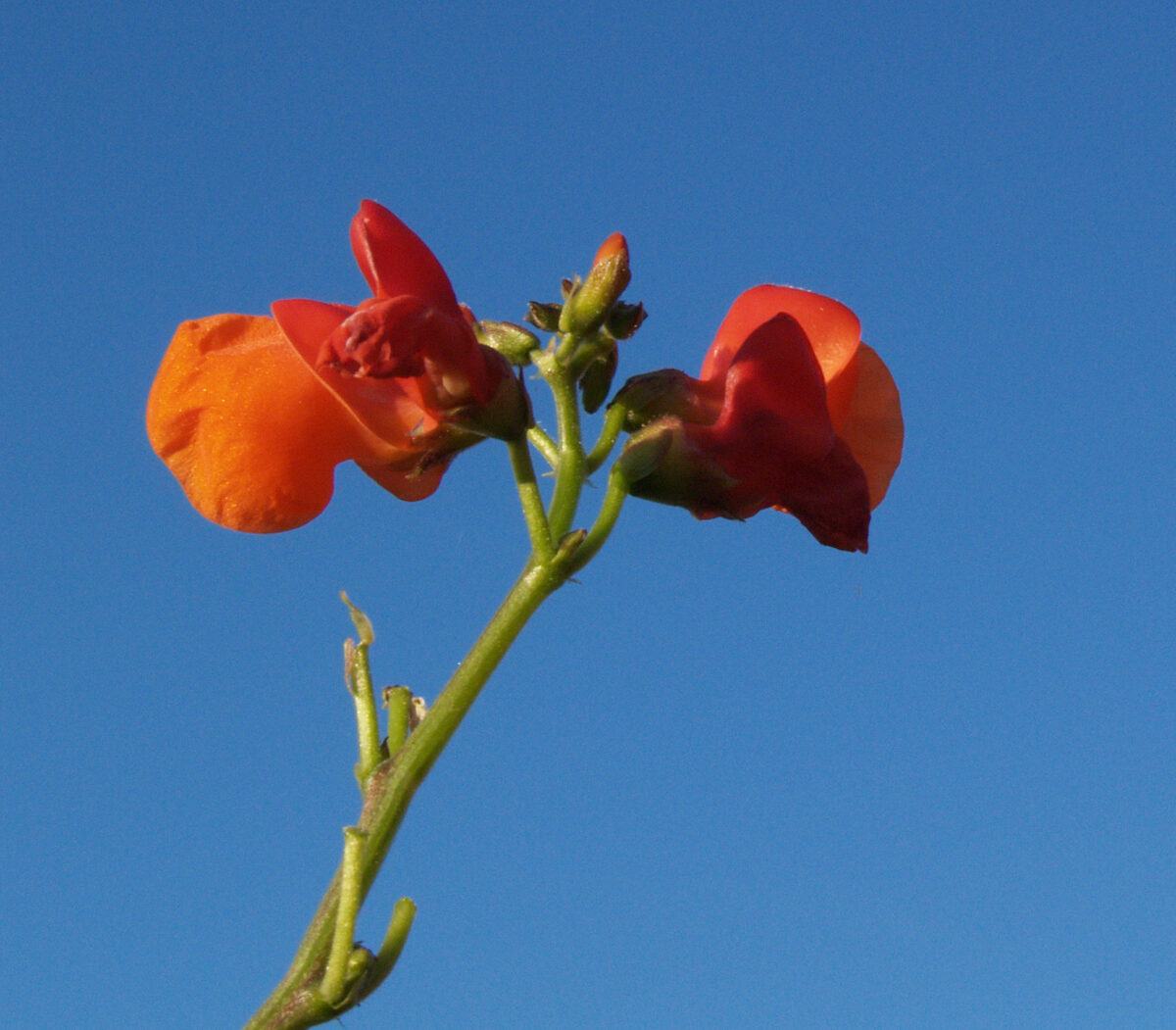
iNaturalist· cc-by
(c) Utain Pummarin, some rights reserved (CC BY)
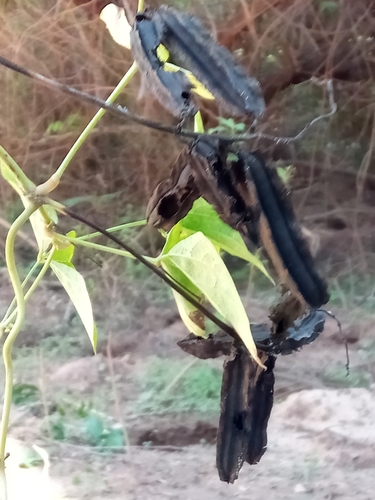
iNaturalist· cc-by
(c) Utain Pummarin, some rights reserved (CC BY)
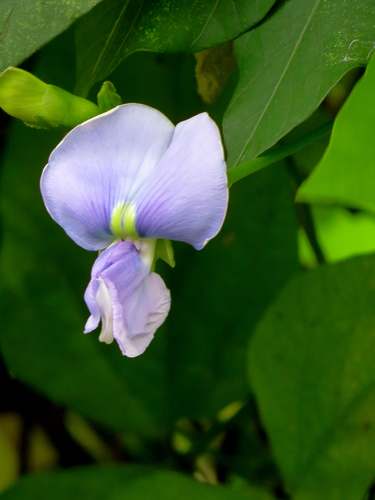
iNaturalist· cc-by-nc
(c) pitunipha, some rights reserved (CC BY-NC)
Description
A small evergreen tree. The bark is smooth and grey. The leaves are compound with leaflets along the stalk. The leaflets are narrowly oval and taper to the tip. They are shiny dark green above. The flowers are buttercup shaped and bright yellow. They are in clusters at the ends of branches. The fruit is a cylinder shaped pod. It is dark brown and slightly curved. There are many brown flattened seeds.
Edible Uses
Young leaflets are used in soups, though the leaves are bitter.
Traditional Uses
The leaves are bitter but young leaflets are used in soups.
This uses section is brief — help expand it
Distribution
It is a tropical plant. It grows in lowland forests and along the edges of rivers. It can be in open and wet areas up to 400 m above sea level.
Where It Grows
Asia, Cambodia, Indochina, Laos, SE Asia, Thailand, Vietnam,
Cultivation
Plants can be grown from seeds.
Notes
Also as Caesalpinaceae.
Synonyms
Also Known As
Keelek kok, Pohon kasia thailand, Pohon manatapat
References (5)
- ILDIS Legumes of the World http:www:ildis.org/Legume/Web
- Kachenchart, B., et al, 2008, Phenology of Edible Plants at Sakaerat Forest. In Proceedings of the FORTROP II: Tropical Forestry Change in a Changing World. Bangkok, Thailand.
- Larsen, K., et al, 1980, In Flore du Cambodge, du Laos et du Vietnam, Vol 18A
- Srichaiwong, P., et al, 2014, A Study of the Biodiversity of Natural Food Production to Support Community Upstream of Chi Basin, Thailand. Asian Social Science 10 (2):
- Sukarya, D. G., (Ed.) 2013, 3,500 Plant Species of the Botanic Gardens of Indonesia. LIPI p 503