Albizia schimperiana
Oliver
Forest long-pod albizia
iNaturalist· cc-by-nc
(c) paullatham36, some rights reserved (CC BY-NC)
wikimedia· cc-by
Wikimedia Commons - Trees ForTheFuture
Description
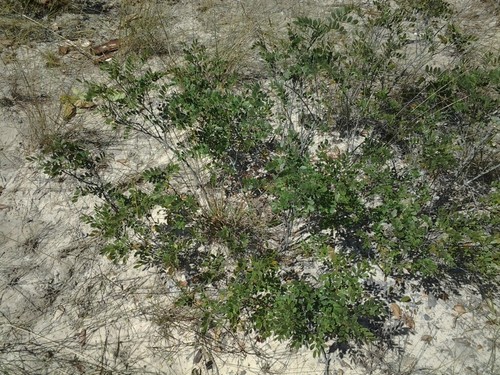
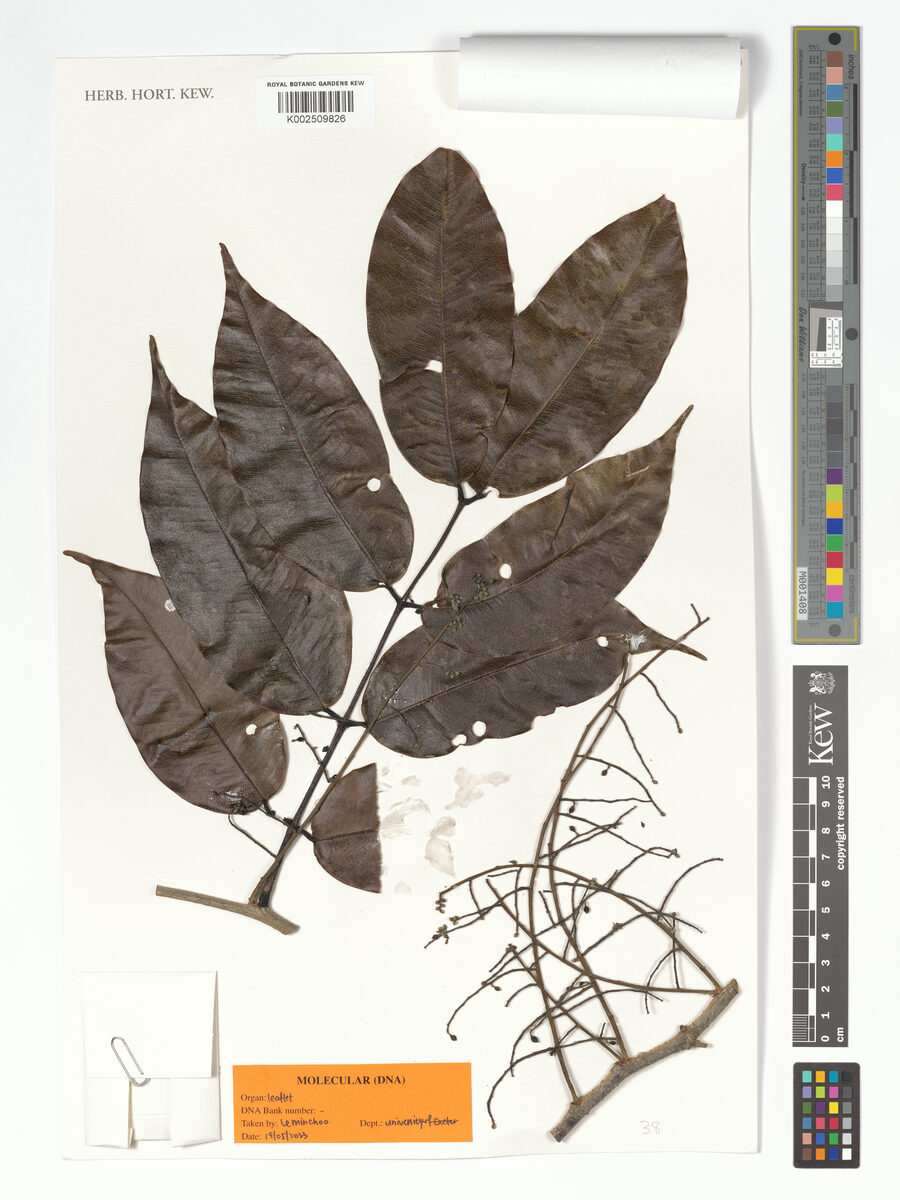
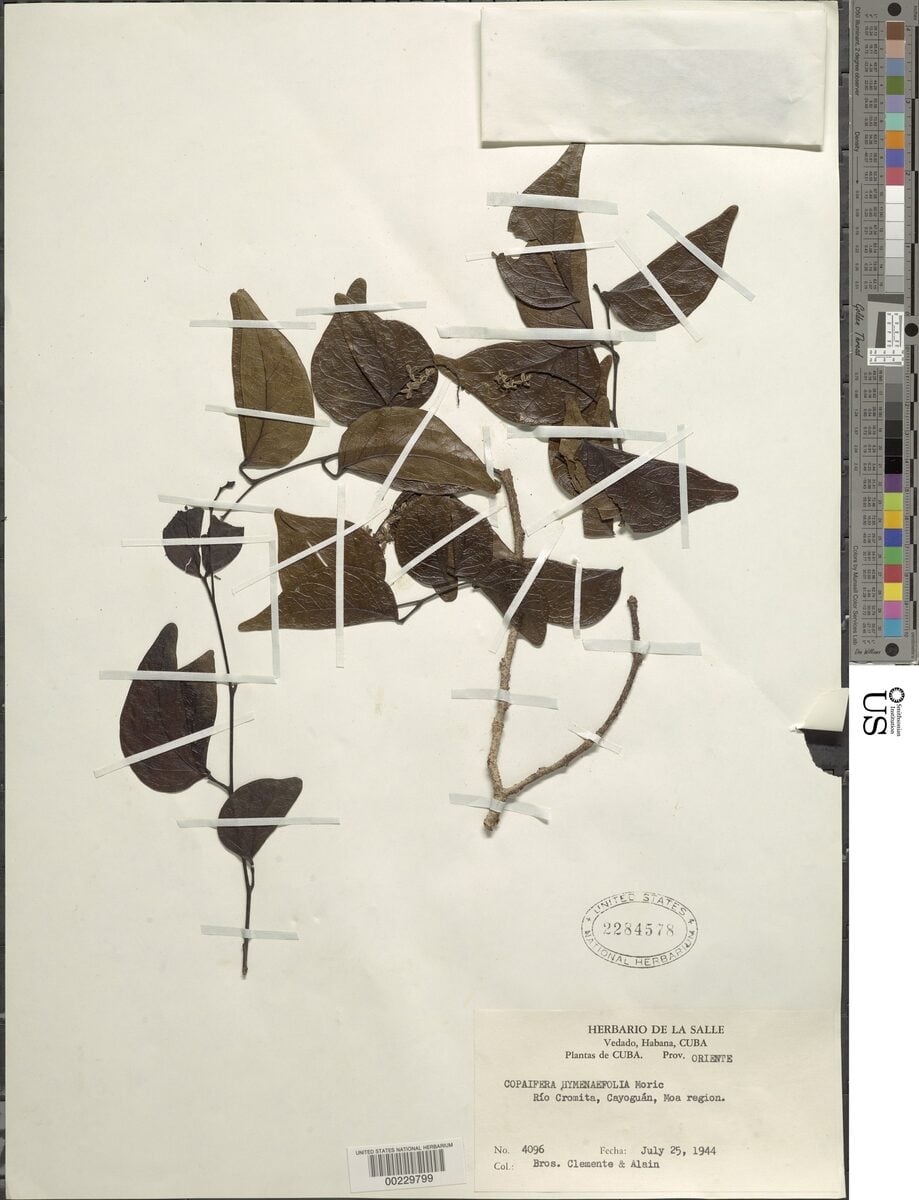
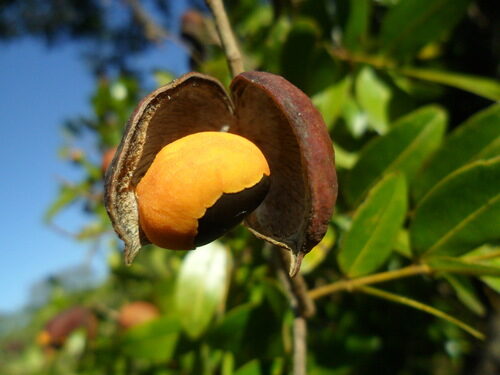
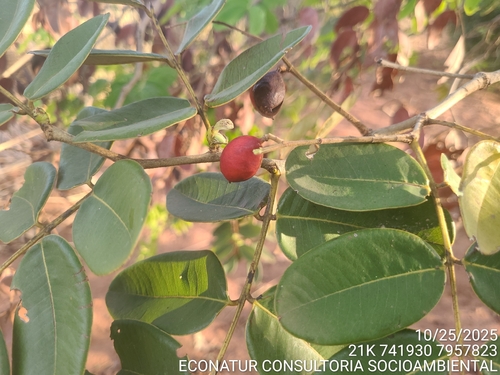
A tree. It grows 30-40 m high. It loses its leaves for a month. The trunk is straight. The flat crown can be 30 m across. Three varieties are recognised. The bark may be poisonous. The leaves have 4-7 pairs of leaflet stalks with 6-22 pairs of leaflets. They are unevenly oblong. They are often hairy and more pale underneath. The flowers are in loose heads. They are creamy-white. The fruit are flattened pods up to 34 cm long. They are brown.
Edible Uses
The resin is harvested from the bark and eaten.
Traditional Uses
The resin is picked off the bark and eaten. Caution: It can possibly cause diarrhoea.
This uses section is brief — help expand it
Medicinal Uses
A root infusion is added to a porridge and used as a treatment against headache and other pains. The stem bark is used to treat warts. The bark is used as a cough remedy. Spermine alkaloids and several triterpenes (lupeol, lupenone, oleanoic acid and hederagenin) have been isolated from the bark.
Known Hazards
The bark may be poisonous. Consumption of the resin can possibly cause diarrhoea.
Distribution
It is a tropical plant. It is often in gullies in high altitude rainforests. It suits humid locations. In Brisbane Botanical Gardens.
Where It Grows
Africa, Australia, Central Africa, Congo, East Africa, Ethiopia, Kenya, Malawi, Mozambique, Somalia, Southern Africa, Sudan, Tanzania, Uganda, Zimbabwe,
Cultivation
It can be grown by seeds.
Propagation
Seed - it has a hard seedcoat and may benefit from scarification before sowing to speed up germination. This can usually be done by pouring a small amount of nearly boiling water on the seeds (being careful not to cook them!) and then soaking them for 12 - 24 hours in warm water. By this time they should have imbibed moisture and swollen - if they have not, then carefully make a nick in the seedcoat (being careful not to damage the embryo) and soak for a further 12 hours before sowing. Sow the seed in a semi-shaded position. Seedlings are ready to plant out about 4 months after germination.
Other Uses
The bark is a source of saponins and is used as a soap substitute. The ground seeds, mixed with water, are used as an insecticide. Wool can be coloured yellow with the leaves. The ash of the bark is added to snuff tobacco to give pungency. The wood is fairly strong, works easily and is not resistant to termites. It is used for construction, joinery, tool handles, beehives, stools, grain mortars, spoons, needles, plywood and matchboxes. The wood is used for fuel and for charcoal production. The tree is planted in agroforestry systems as a shade tree and for soil conservation and improvement.
Production
The resin is only available in some years.
Notes
Probably edible. Also as Mimosaceae.
Synonyms
Also Known As
Endrona, Mugerenje, Salwa mucha, Sessa, Tawla mucha
References (4)
- ILDIS Legumes of the World http:www;ildis.org/Legume/Web
- Lulekal, E., et al, 2011, Wild edible plants in Ethiopia: a review on their potential to combat food insecurity. Afrika Focus - Vol. 24, No 2. pp 71-121
- Molla, A., Ethiopian Plant Names. http://www.ethiopic.com/aplants.htm
- White, F., Dowsett-Lemaire, F. and Chapman, J. D., 2001, Evergreen Forest Flora of Malawi. Kew. p 314