Crateva adansonii subsp. odora
(Buch.-Ham.) Jacobs
iNaturalist· cc0
no rights reserved, uploaded by 葉子
iNaturalist· cc-by-nc
(c) yihan, some rights reserved (CC BY-NC), uploaded by yihan
iNaturalist· cc-by-nc
(c) 金翼白眉, some rights reserved (CC BY-NC), uploaded by 金翼白眉
Summary
Source: WikipediaCrateva adansonii is a species of small tree in the family Capparaceae. It is widely distributed in Africa and Asia and may be called the "sacred barna" in India or bún trái đỏ (mắt núi) in Vietnam.
Description
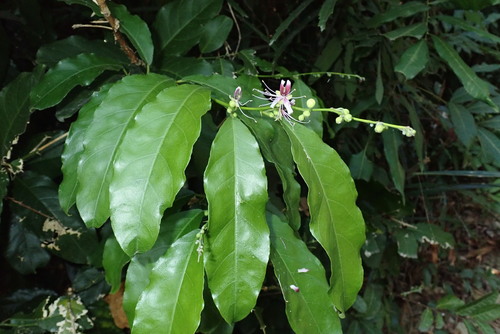
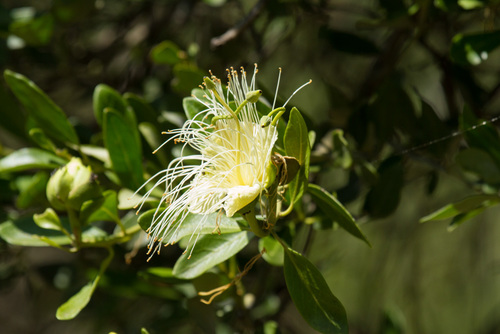
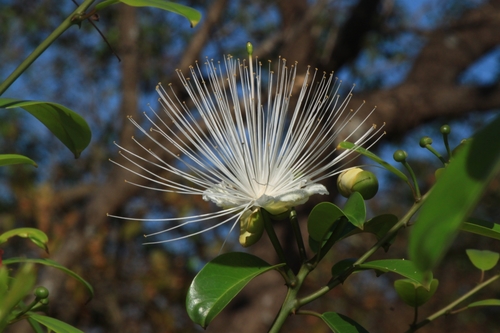
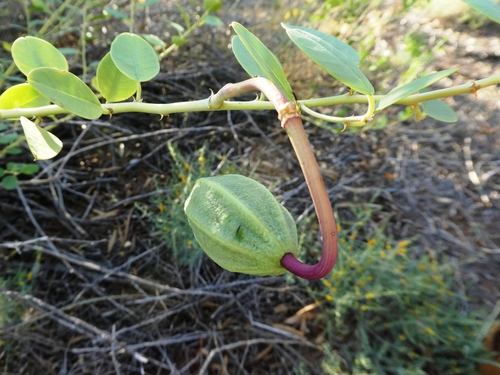
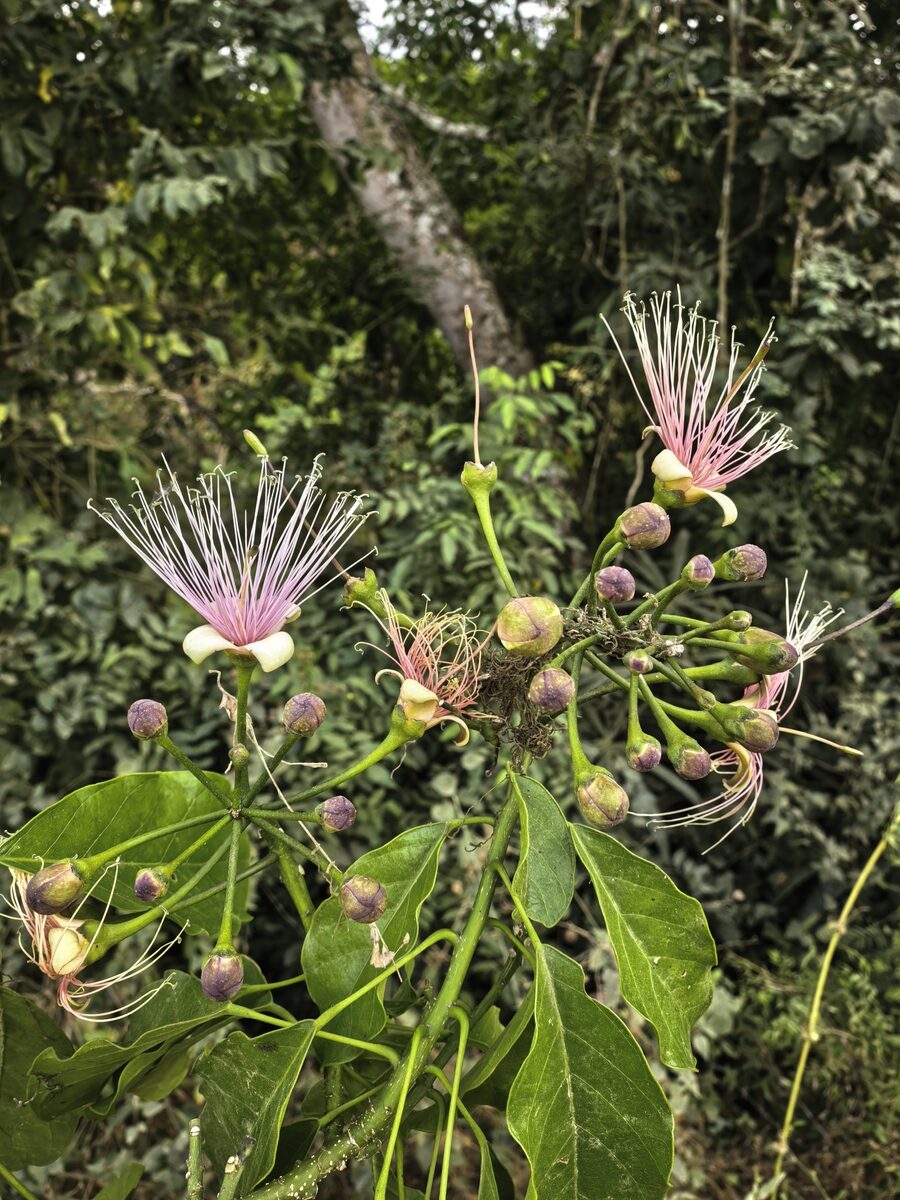
A shrub or tree. It loses its leaves during the year. The leaves have 3 leaflets. The leaflets are oval or sword shaped. The central leaflet is largest. The flowers are pale yellow and in groups of 10-25 flowers. The fruit are round and orange-yellow or reddish-brown.
Edible Uses
The fruit and leaves are eaten.
Traditional Uses
The fruit is eaten.
This uses section is brief — help expand it
Distribution
It is a tropical plant. It grows in the lower Himalayas and up to 600 m above sea level.
Where It Grows
Asia, Himalayas, India, Pakistan,
Other Information
It is cultivated.
Synonyms
Also Known As
Barna
References (3)
- Food Composition Tables for use in East Asia FAO http://www.fao.org/infoods/directory No. 480 (As Crateva roxburghii)
- Khan, D. & Shaukat, S.S., 2006, The Fruits of Pakistan: Diversity, Distribution, Trends of Production and Use. Int. J. Biol. Biotech., 3(3):463-499
- Upreti, K., et al, 2010, Diversity and Distribution of Wild Edible Fruit Plants of Uttarakhand. Bioversity Potentials of the Himalaya. p 168