Zanthoxylum martinicense
(Lam.) DC.
Martinique prickly ash
iNaturalist· cc-by-nc
(c) Jula Moll-Rocek, some rights reserved (CC BY-NC), uploaded by Jula Moll-Rocek
Summary
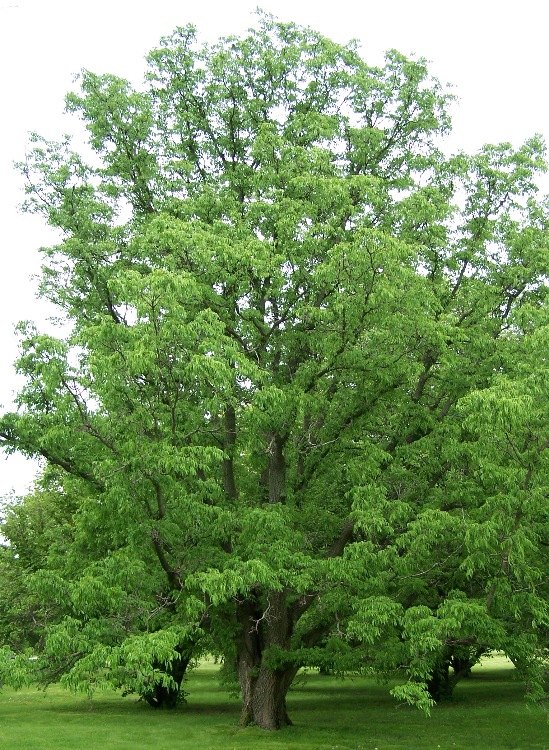
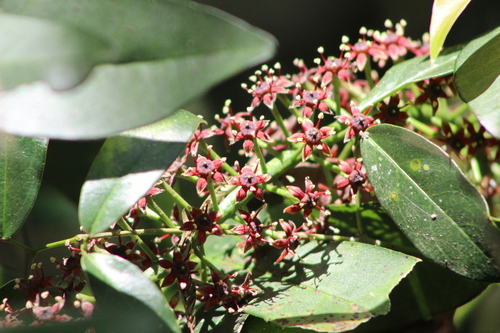
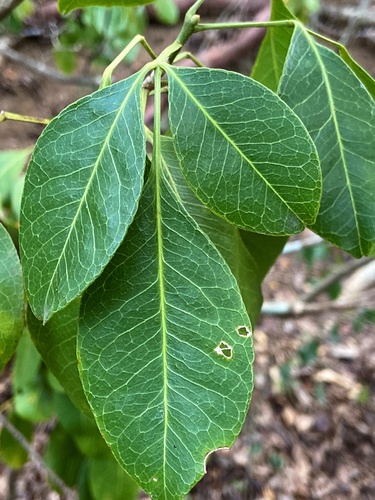
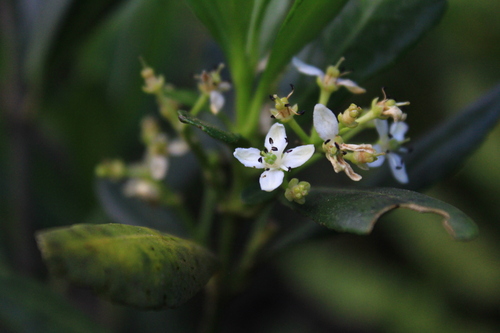
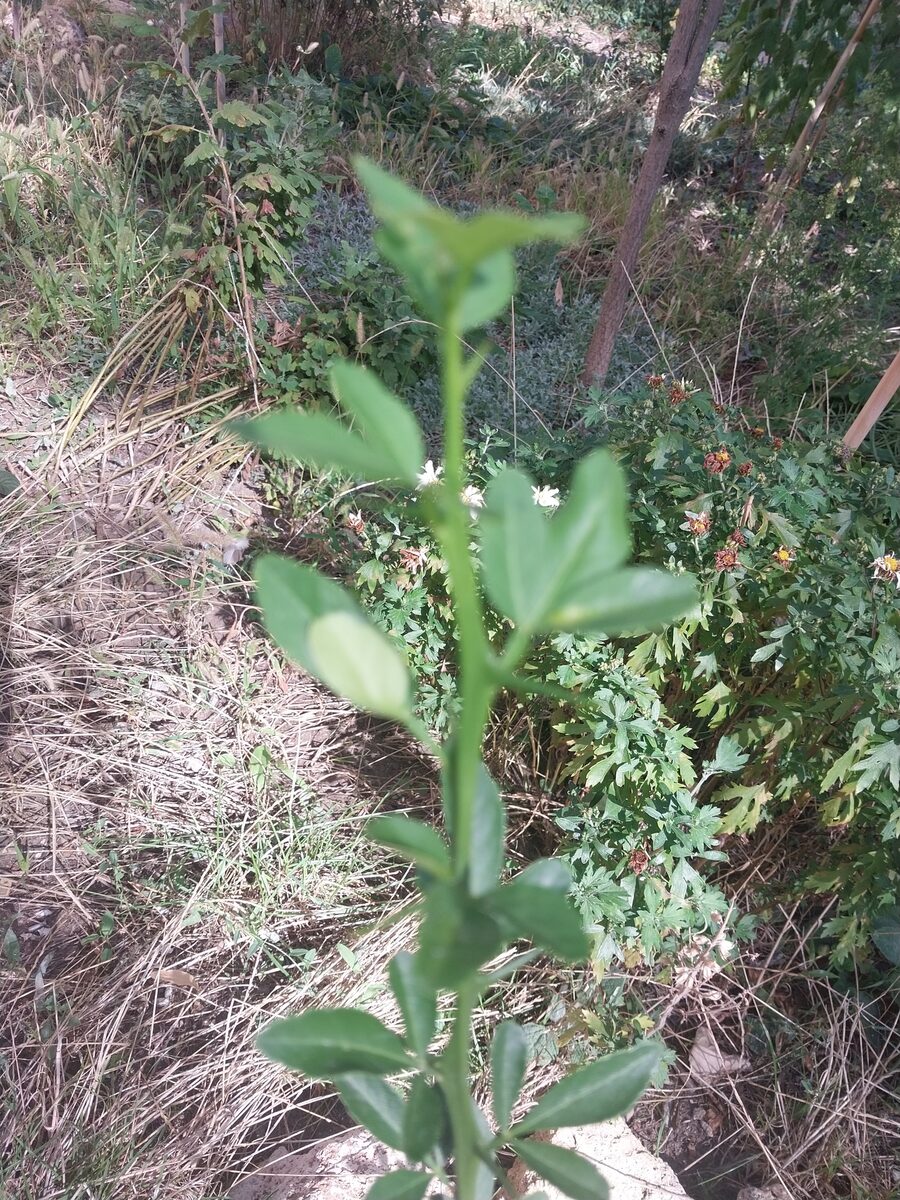
Source: WikipediaZanthoxylum martinicense, the Martinique prickly ash, white pricklyash, or espino rubial, is an evergreen tree with pinnately compound leaves and thick conical spines on its bark. It grows up to 20 m tall. Male and female flowers are on separate trees. The flower clusters (panicles) are terminal and much branched, bearing many almost stalkless flowers.
Description
A tree.
This description is brief — help expand it
Distribution
It is a tropical plant.
Where It Grows
Amazon, Antilles, Bahamas, Colombia, Cuba, Dominica, Dominican Republic, Ecuador, French Guiana, Guadeloupe, Haiti, Martinique, Netherlands Antilles, Peru, Puerto Rico, South America, Trinidad and Tobago, Venezuela, West Indies,
Cultivation
The plant requires overhead light. A fast-growing tree. Plants often flower and fruit all year round. A dioecious species, both male and female forms need to be grown if seed is required.
Other Uses
The heartwood is creamy to light brown, sometimes with a pronounced greenish blue; it is not readily distinguished from the lighter coloured sapwood. The wood is lustrous; fine and straight-grained; medium to fine textured; with a rancid odour when freshly worked. It is moderately heavy and hard; is not believed to be durable in contact with the ground, although specific information as to its vulnerability to decay is not available; very susceptible to dry-wood termites, pinhole borers, and other insects. The wood works easily with either hand or power tools but produces only fair to poor results in most operations; torn grain and coarse fuzziness are common in shaping and turning; tearing and crushing are troublesome in boring and mortising; and considerable scratching and fuzziness occur in sanding unless a very fine abrasive paper is used. However, the wood has good resistance to screw splitting. Because of its plain appearance, difficulties in seasoning, and only fair working qualities, the wood is best suited for boxes, crates, general carpentry, low-grade furniture, light construction, concrete forms, and similar uses. However, with considerable care in seasoning and machining, the better grades of this species could be used for interior trim, doors, window frames, and other types of interior construction. It might also be suitable for utility veneer and core stock.
Synonyms
Also Known As
Aguda, Ayua, Ayua amarilla, Ayua macho, Ayuba, Ayuda, Bagua, Bayua, Bosu, Cenizo, Espino. Espino rubial, Espinosa, Mapurite blanca, Mapurito, Pino de teta, Pino rubial
References (3)
- Grandtner, M. M., 2008, World Dictionary of Trees. Wood and Forest Science Department. Laval University, Quebec, Qc Canada. (Internet database http://www.wdt.qc.ca)
- Grandtner, M. M. & Chevrette, J., 2013, Dictionary of Trees, Volume 2: South America: Nomenclature, Taxonomy and Ecology. Academic Press p 708
- Plants of Haiti Smithsonian Institute http://botany.si.edu/antilles/West Indies