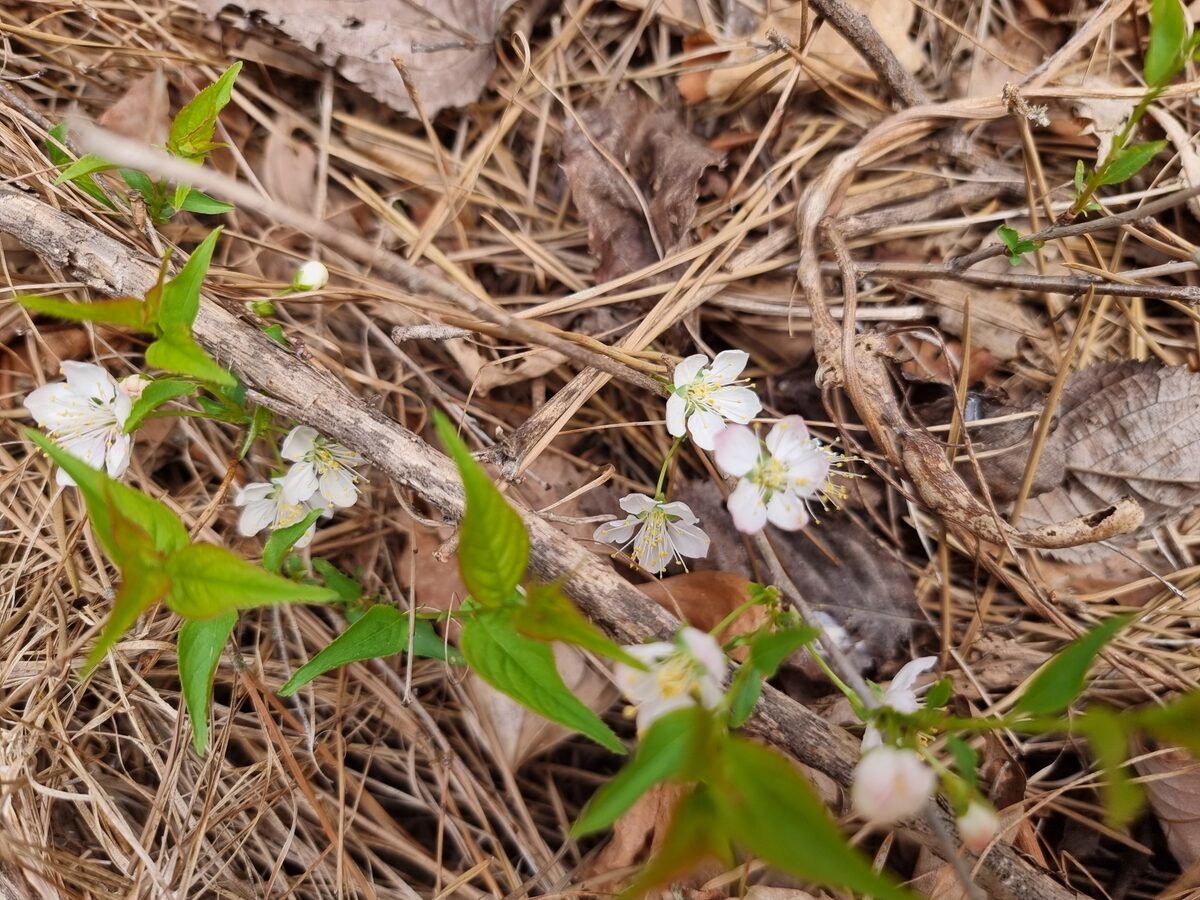
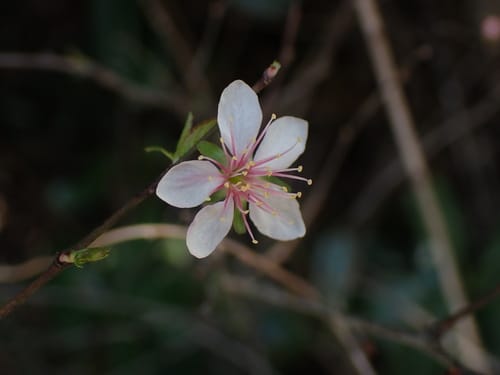
Prunus myrtifolia
(L.) Urb.
Myrtle cherry
iNaturalist· cc-by-nc
(c) Alan R. Franck, some rights reserved (CC BY-NC), uploaded by Alan R. Franck
iNaturalist· cc-by-sa
(c) Edson Luis Fabro Gasperin, some rights reserved (CC BY-SA)
iNaturalist· cc-by-sa
(c) Edson Luis Fabro Gasperin, some rights reserved (CC BY-SA)
Summary
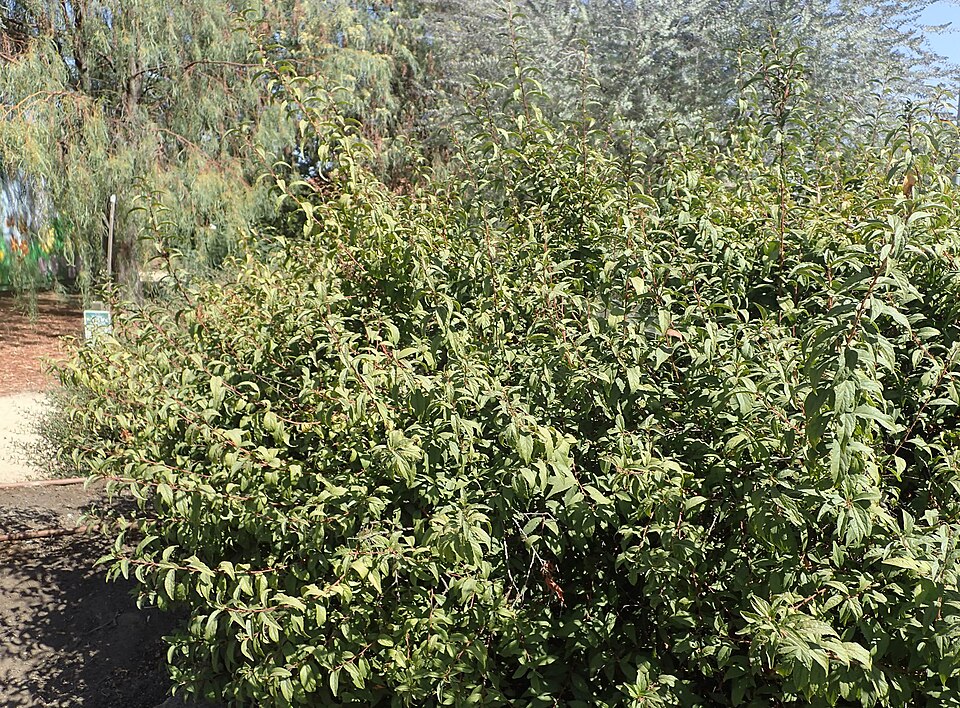
Source: WikipediaPrunus myrtifolia, called the West Indies cherry or myrtle laurel cherry, is a New World species of shrubs in the family Rosaceae.
Description
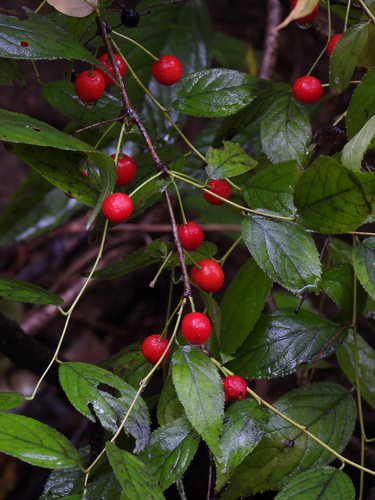
A tree. It grows 10-20 m tall. The trunk is twisted. The fruit are round and purple-black They are 8-12 mm across.
This description is brief — help expand it
Edible Uses
The seeds are used to flavour wine.
Traditional Uses
The seeds are used to flavour wine.
This uses section is brief — help expand it
Medicinal Uses
A decoction of the grated bark is used as a pectoral remedy for colds.
Known Hazards
The plant (especially the seed and young shoots) contains cyanogenic glycosides, especially amygdalin and prunasin. When injested, these compounds break down in the digestive tract to release cyanide. Used in small quantities in both traditional and conventional medicine, this exceedingly poisonous compound has been shown to stimulate respiration, improve digestion, and promote a sense of well-being. It is also claimed by some to be of benefit in the treatment of cancer - though this claim has been largely refuted. In larger concentrations, however, cyanide can cause gasping, weakness, excitement, pupil dilation, spasms, convulsions, coma and respiratory failure leading to death. The fruits and flowers of most members of this genus generally have low or very low concentrations of this toxin, though the seeds and young shoots can contain much higher levels. The levels of toxin can be detected by the level of bitterness:- for example sweet tasting almond seeds are a major food crop and are often eaten in quantity, whilst bitter tasting almond seeds are used as a flavouring (in marzipan for example) but are not usually eaten on their own. In general, it can be considered safe to eat any fruit or seed from species in this genus that either have a sweet flavour or are slightly bitter. Great caution should be taken, however, if the flavour is moderately to very bitter.
Distribution
It is a tropical plant.
Where It Grows
Bahamas, Belize, Brazil, Central America, Costa Rica, Cuba, Dominican Republic, El Salvador, Guadeloupe, Guatemala, Haiti*, Honduras, Jamaica*, Martinique, Mexico, Nicaragua, North America, Panama, Puerto Rico, South America, USA, Venezuela, West Indies,
Cultivation
Succeeds in full sun and in dappled shade. Tolerant of a wide range of soils. Plants have a moderate rate of growth.
Propagation
Seed - best sown as soon as it is ripe in a partially shaded position in a nursery seedbed or in individual containers. A low germination rate can usually be expected, with the seed sprouting within 30 - 50 days. Seeds have a viability of at least 12 months if kept in cold storage.
Other Uses
The heartwood is a light, clear red; the thick band of sapwood is paler in colour. The wood is fine-textured, straight and close-grained, heavy, hard to cut, with moderate resistance to wood-eating organisms. It is used for internal purposes in construction, for making furniture, sports articles, tool handles, lathe work, plywood etc.
Synonyms
Also Known As
Almendrillo, Amandra-oedoe, Coracao-de-negro, Cuajani hembra, Cuajanincillo, Duraznero-de-monte, Ivaro, Membrillito, Membrillo, Palo de hacha, Palo rojo, Persiguero bravo, Pessegueiro-bravo, Virari, West Indian laurel-cherry
References (6)
- Grandtner, M. M., 2008, World Dictionary of Trees. Wood and Forest Science Department. Laval University, Quebec, Qc Canada. (Internet database http://www.wdt.qc.ca)
- Grandtner, M. M. & Chevrette, J., 2013, Dictionary of Trees, Volume 2: South America: Nomenclature, Taxonomy and Ecology. Academic Press p 538
- Hedrick, U.P., 1919, (Ed.), Sturtevant's edible plants of the world. p 529 (As Prunus sphaerocarpa)
- Kermath, B. M., et al, 2014, Food Plants in the Americas: A survey of the domesticated, cultivated and wild plants used for Human food in North, Central and South America and the Caribbean. On line draft. p 713
- Plants of Haiti Smithsonian Institute http://botany.si.edu/antilles/West Indies
Show all 6 references Hide references
- Prodr. 80. 1788 (As Prunus sphaerocarpa)