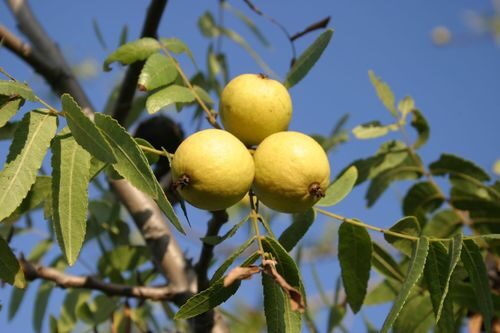
Juglans olanchana
Standl. & L. O. Williams
Olancho walnut, Central American walnut
iNaturalist· cc-by
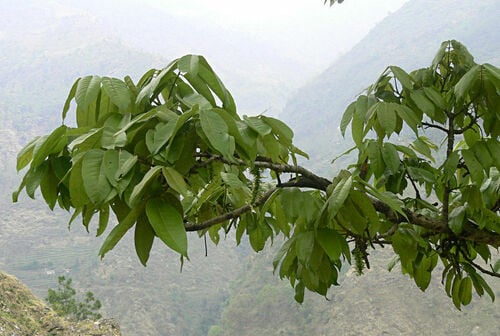
(c) Neptalí Ramírez Marcial, some rights reserved (CC BY), uploaded by Neptalí Ramírez Marcial
iNaturalist· cc-by-nc
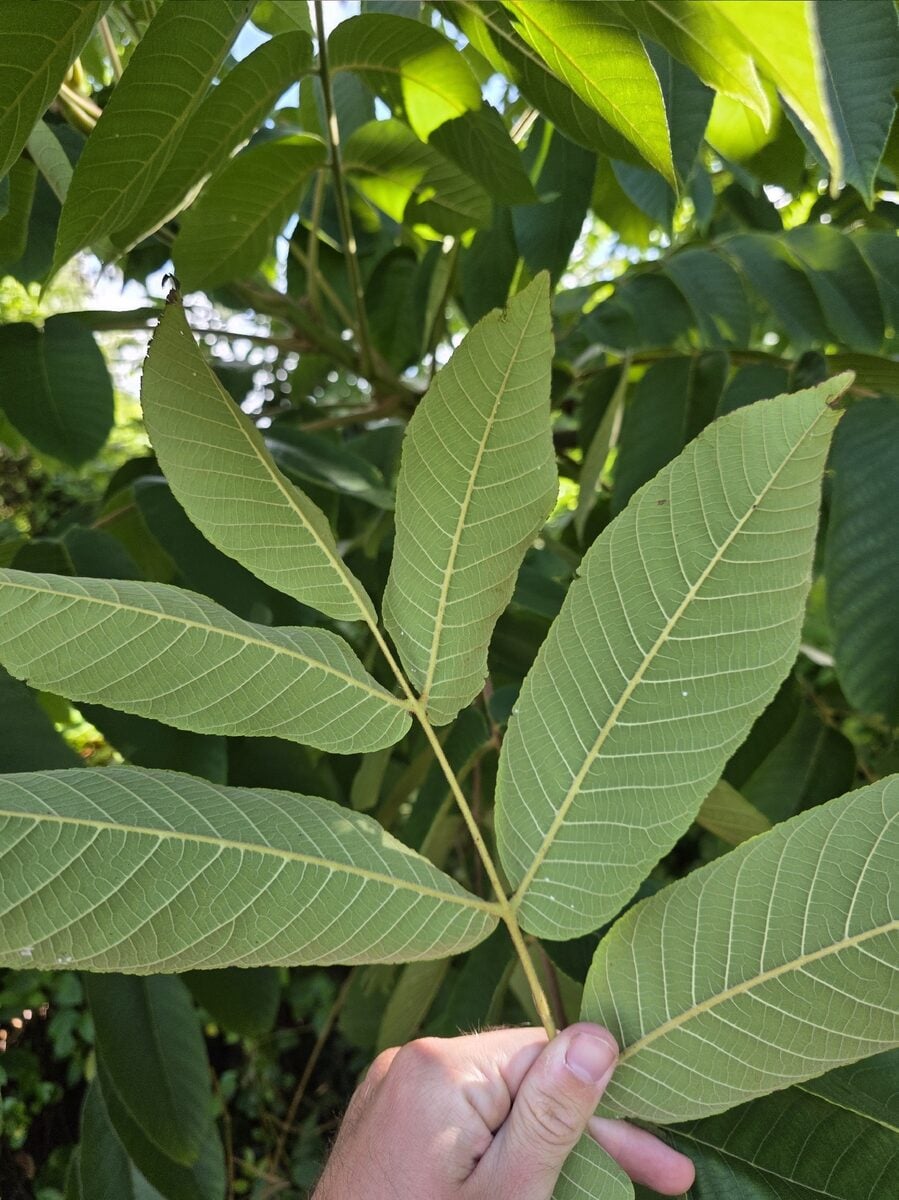
(c) Maynor Carranza, some rights reserved (CC BY-NC)
iNaturalist· cc-by-nc
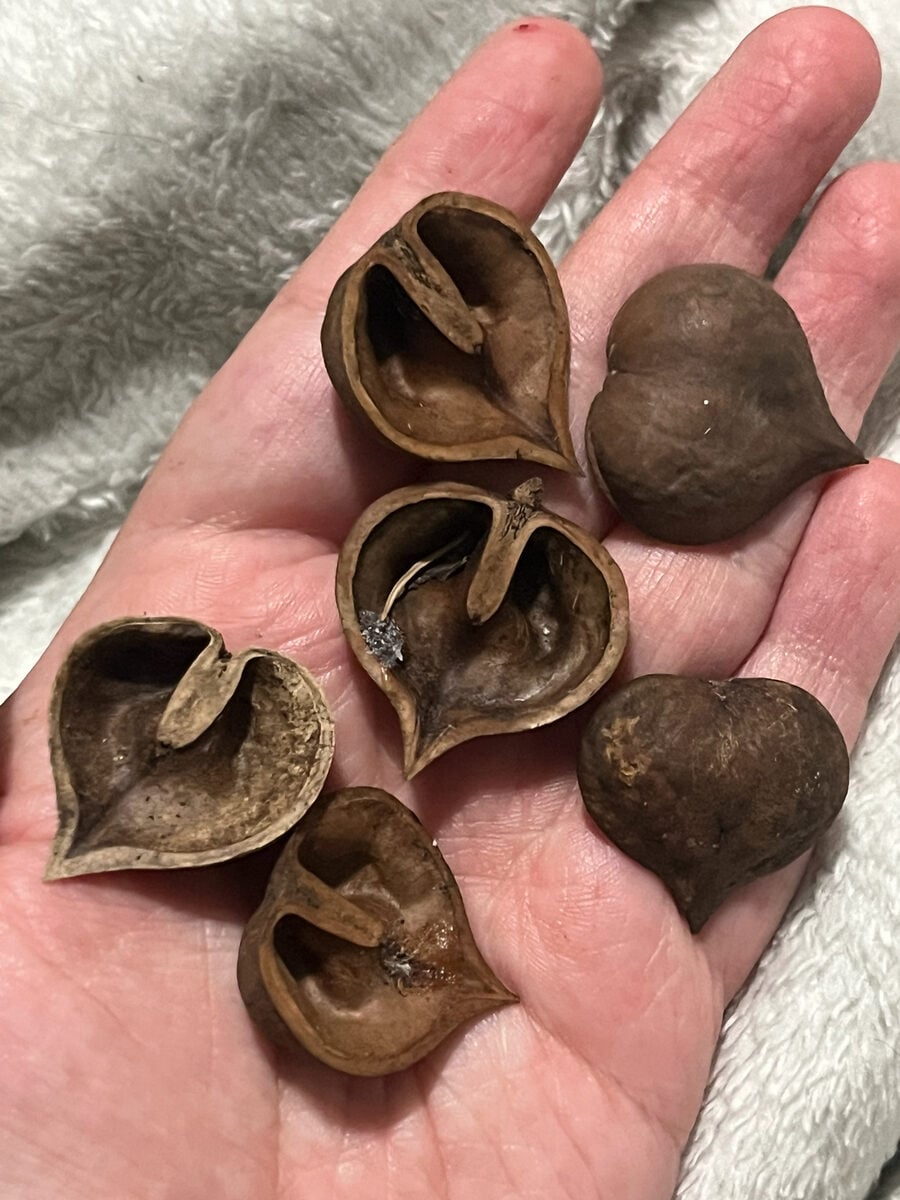
(c) Maynor Carranza, some rights reserved (CC BY-NC)
Summary
Source: WikipediaJuglans olanchana is a semideciduous tree species in the Juglandaceae family. It can be found in Costa Rica, Guatemala, El Salvador, Honduras, Mexico and Nicaragua. It can grow up to 40 m in height and 1.5 m in diameter. The long branches bear twigs tipped with 40–50 cm long, glabrous, pinately compound leaves, darker on the top than on the bottom. The base of the trunk sometimes has buttresses.
Description
A tree. It grows 55 m tall. The trunk can be 2 m across. The bark is dark. The leaves are large and 65 cm long by 35 cm wide. The leaflets are large and separated. There are 17-21 leaflets each 17 cm long by 6 cm wide. They have teeth. The male flower catkins are 30 cm long. The mature fruit are 4.5 cm wide and pear shaped.
Edible Uses
The seed can be eaten raw or cooked. The shells measure 34–45 mm in diameter and 32–42 mm in length.
Medicinal Uses
None known.
Distribution
It is a tropical plant. In Guatemala it grows between 500-1,500 m above sea level.
Where It Grows
Belize, Central America, Costa Rica, El Salvador, Guatemala, Honduras, Mexico, Nicaragua, North America, Panama, South America,
Cultivation
It grows in areas of good rainfall.
Propagation
Propagated by seed.
Other Uses
The fruit husk is used as a source of tannins. The wood is used for making fancy furniture. General information for the wood of tropical members of this genus: the heartwood is chocolate-brown, generally darker than North American black walnut (Juglans nigra), sometimes with a purplish cast, and is sharply demarcated from the whitish sapwood. The texture is rather coarse, the grain straight to irregular, with high lustre and a mild but distinctive odour and taste. The wood dries very slowly, wet zones persist, and severe honeycombing and collapse may occur in stock thicker than 10 cm x 10 cm. It works well, cutting cleanly with hand and machine tools and taking an excellent finish. It peels and slices readily, though veneers are also reported to dry slowly. Uses include decorative veneers, furniture, cabinet work, interior finish, and other applications similar to those of North American black walnut.
Synonyms
Also Known As
Cedro blanco, Cedro nogal, Nogal, Nogal cimarron
References (9)
- Grandtner, M. M., 2008, World Dictionary of Trees. Wood and Forest Science Department. Laval University, Quebec, Qc Canada. (Internet database http://www.wdt.qc.ca)
- Ibarra-Manriquez, G., et al, 1997, Useful Plants of the Los Tuxtlas Rain Forest (Veracruz, Mexico): Considerations of their Market Potential. Economic Botany, Vol. 51, No. 4, pp. 362-376
- Kermath, B. M., et al, 2014, Food Plants in the Americas: A survey of the domesticated, cultivated and wild plants used for Human food in North, Central and South America and the Caribbean. On line draft. p 460
- Manning, W. E., 1957, The genus Juglans in Mexico and Central America. J. Arnold Arbor. 38:128. (As Juglans pyriformis)
- Martin, F. W., et al, 1987, Perennial Edible Fruits of the Tropics. USDA Handbook 642 p 97
Show all 9 references Hide references
- McGgranahan, G. and Ch. Leslie.1991. Walnuts (Juglans). Pp: 907-951 In Genetic Resources of Temperate Fruits and Nuts, Acta Horticultura 290 (J.N. Moore & Ballington, J.R.Jr, eds.) International Society for Horticultural Science. Wageningen, Netherlands. (As Juglans pyriformis)
- Piedra-Malagón, E. M., et al, 2022, Edible native plants of the Gulf of Mexico Province. Biodiversity Data Journal 10: e80565 p 20
- Segura, S., et al, 2018, The edible fruit species in Mexico. Genet Resour Crop Evol (2018) 65:1767–1793 (Also as Juglans pyriformis)
- World Checklist of Useful Plant Species 2020. Royal Botanic Gardens, Kew (As Juglans pyriformis)