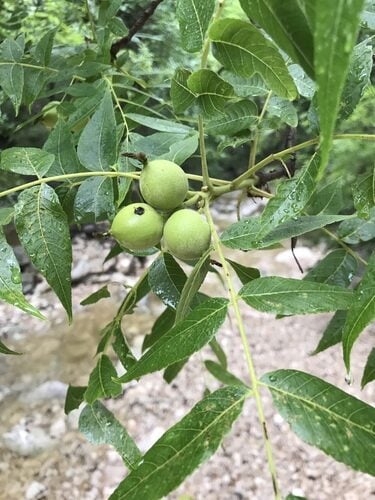
Engelhardtia spicata
Leschen ex Blume
Juglandaceae Edible: Fruit, Medicine
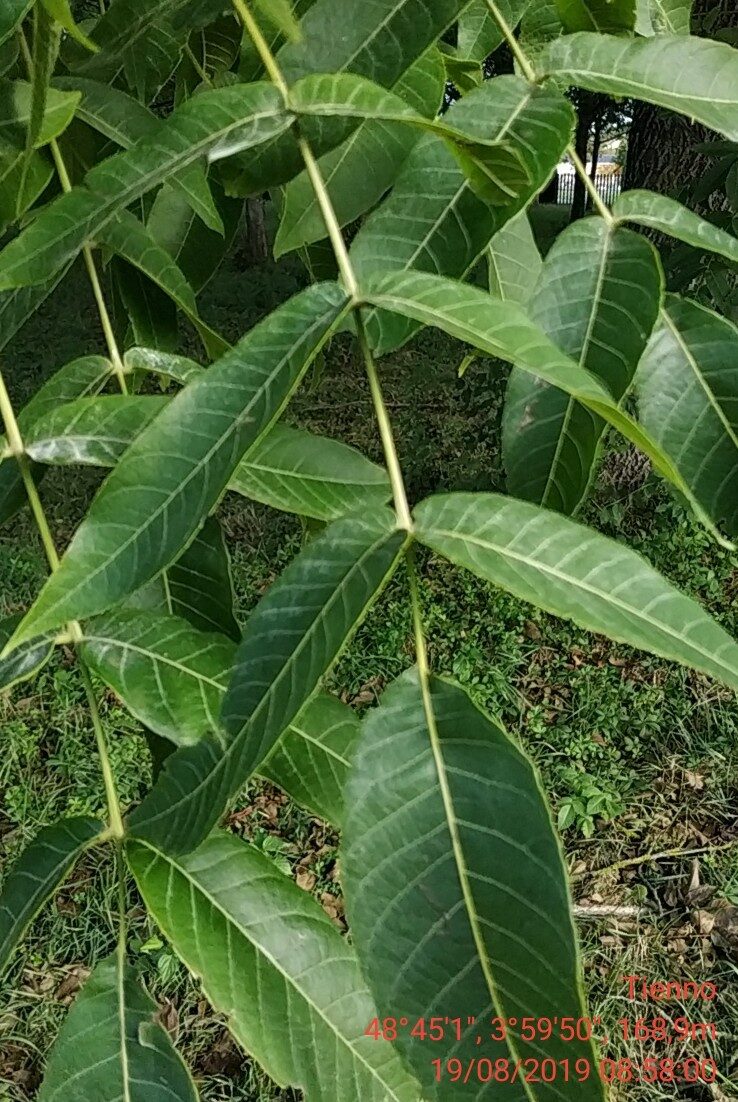
iNaturalist· cc-by-nc
(c) lougarou, some rights reserved (CC BY-NC)
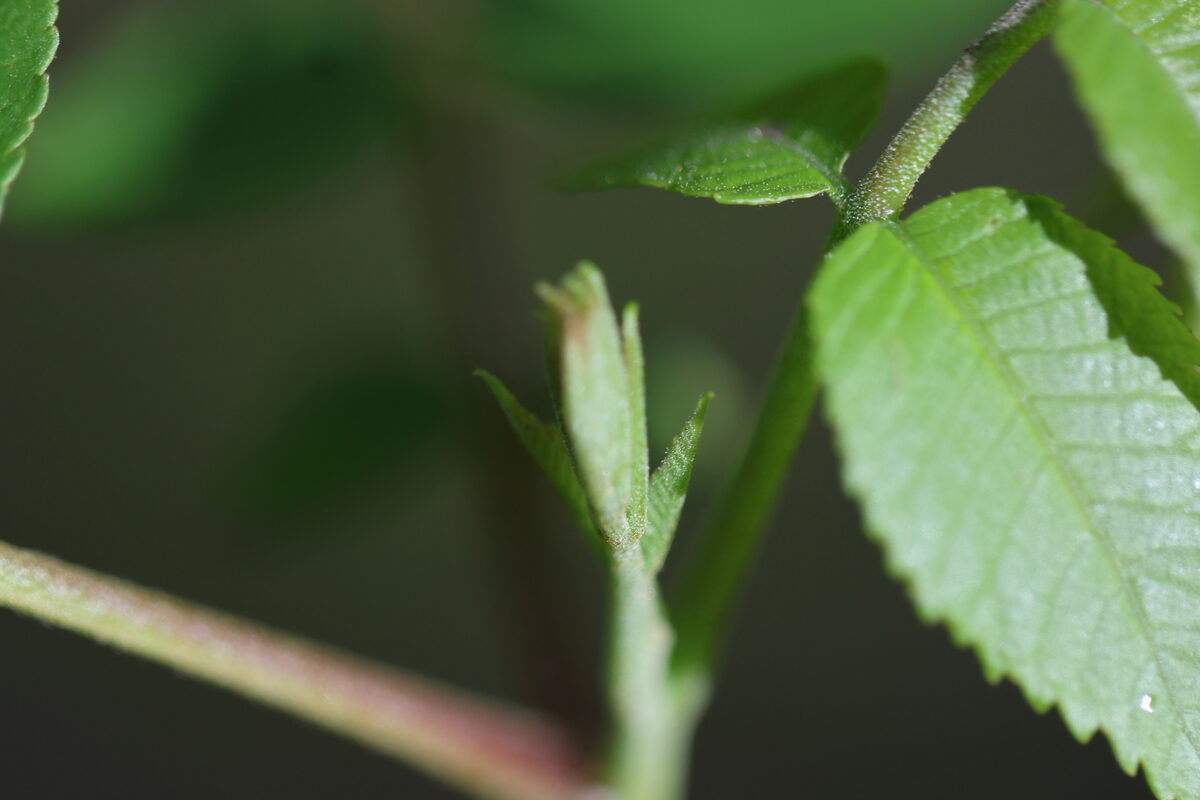
iNaturalist· cc-by-nc
(c) lougarou, some rights reserved (CC BY-NC)
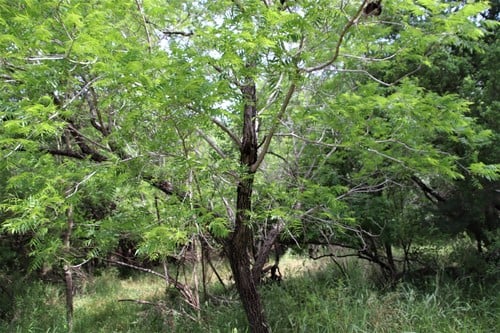
iNaturalist· cc-by-nc
(c) lougarou, some rights reserved (CC BY-NC)
Description
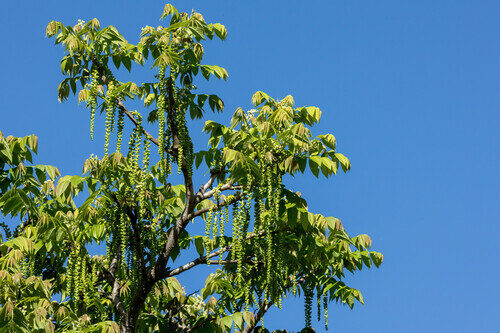
A tree. It can grow 20 m tall. It has a rounded crown. It can have buttresses 3 m tall.
This description is brief — help expand it
Edible Uses
The ripe fruit are eaten.
Traditional Uses
The ripe fruit are eaten.
This uses section is brief — help expand it
Distribution
It is a subtropical plant. It grows from sea level to 2,500 m above sea level. Arboretum Tasmania.
Where It Grows
Asia, Australia, India, Indonesia, Laos, Malaysia, Myanmar, Nepal, Northeastern India, Philippines, Sikkim, Tasmania, Thailand, Vietnam,
Synonyms
Engelhardtia aceriflora (Reinw.) BlumeGyrocarpus pendulus BlancoJuglans pterococca Roxb.Pterilema aceriflorum Reinw.
Also Known As
Mahuwa, Marle, Marloo, Mauwa, Muwa
References (3)
- Ethnobotany of Karbis. Chapter 4 in p 104
- Sundriyal, M. & Sundriyal, R. C., 2004, Structure, Phenology, Fruit Yield, and Future Prospects of some Prominent Wild Edible Plant Species of the Sikkim Himalaya, India. Journal of Ethnobiology 24(1): 113-138
- Teron, R. & Borthakur, S. K., 2016, Edible Medicines: An Exploration of Medicinal Plants in Dietary Practices of Karbi Tribal Population of Assam, Northeast India. In Mondal, N. & Sen, J.(Ed.) Nutrition and Health among tribal populations of India. p 152