Erythrina corallodendron
L.
Common coral bean
iNaturalist· cc-by-nc
(с) 刘光裕 Liu Guangyu, некоторые права защищены (CC BY-NC), загрузил 刘光裕 Liu Guangyu
iNaturalist· cc-by-nc
(с) Paul, некоторые права защищены (CC BY-NC), загрузил Paul
iNaturalist· cc-by-nc
(с) Jean-Philippe BASUYAUX, некоторые права защищены (CC BY-NC), загрузил Jean-Philippe BASUYAUX
Summary
Source: WikipediaErythrina corallodendron, the red bean tree, is a species of flowering plant in the family Fabaceae. It is native to the Caribbean; Jamaica, Hispaniola, Puerto Rico, the Leeward Islands, and the Windward Islands, and has been introduced to Trinidad and Tobago, Kenya, Réunion, and the Malay Peninsula. A small tree usually 3 m (10 ft) tall, but rarely reaching 10 m (33 ft), and with showy flowers, it is often planted as an ornamental.
Description
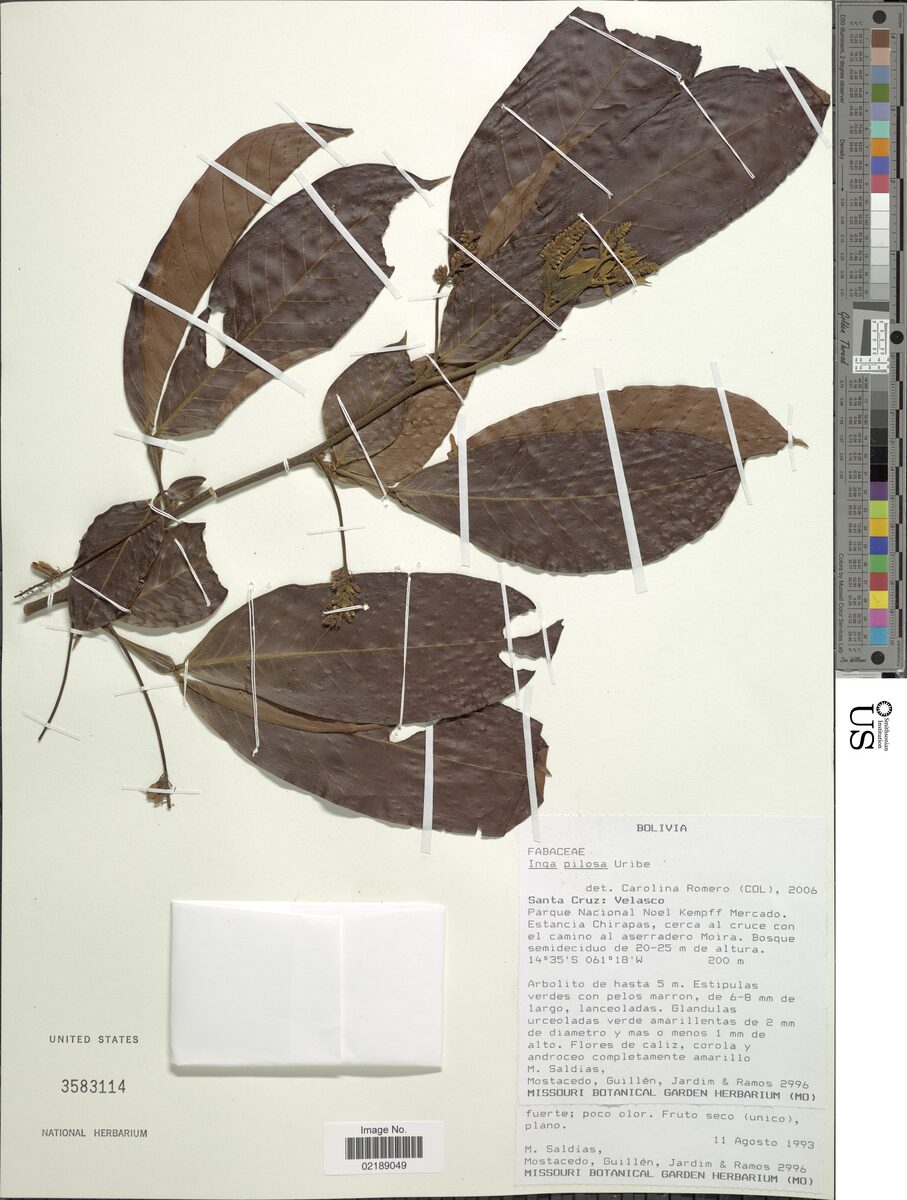
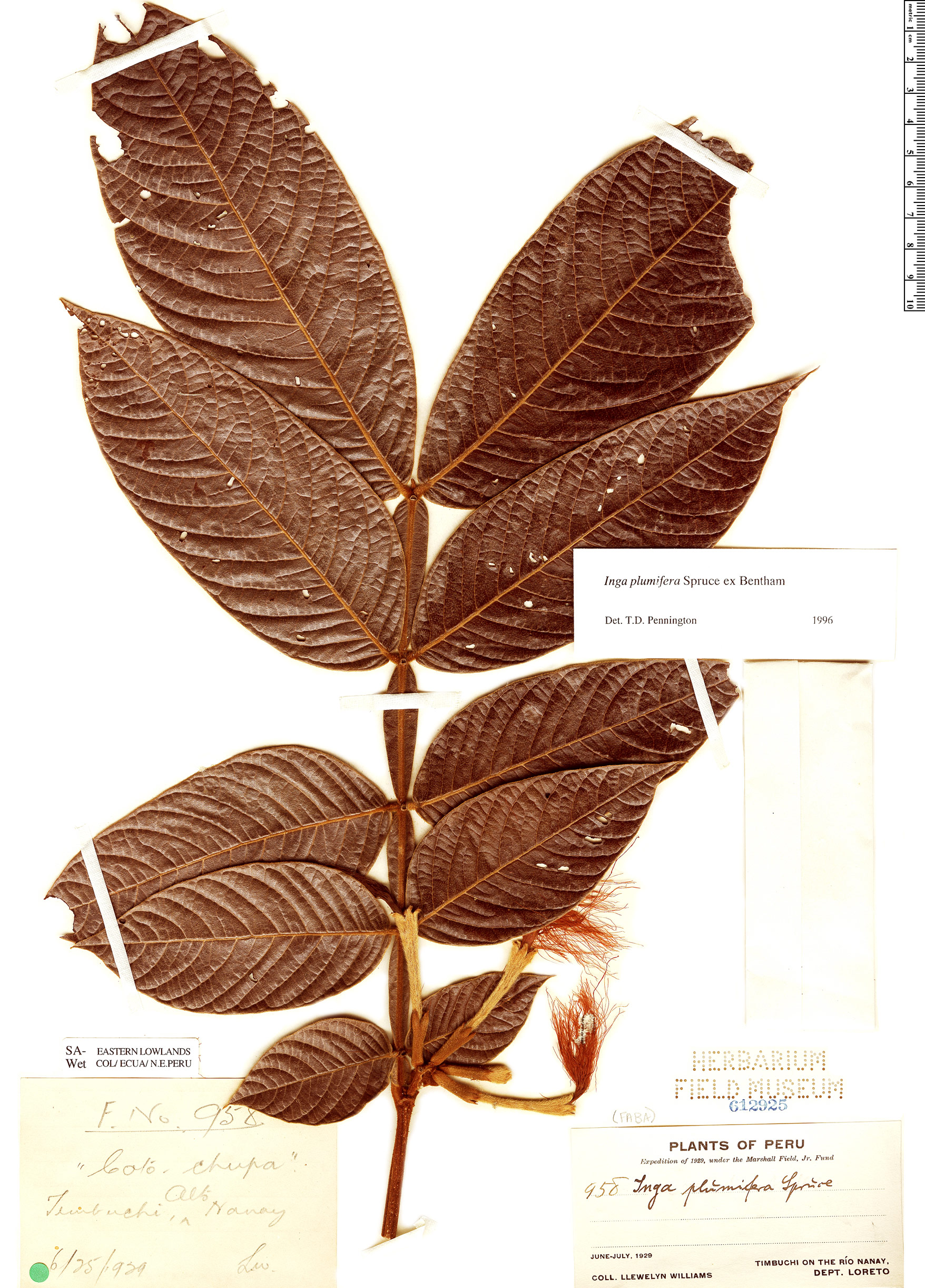
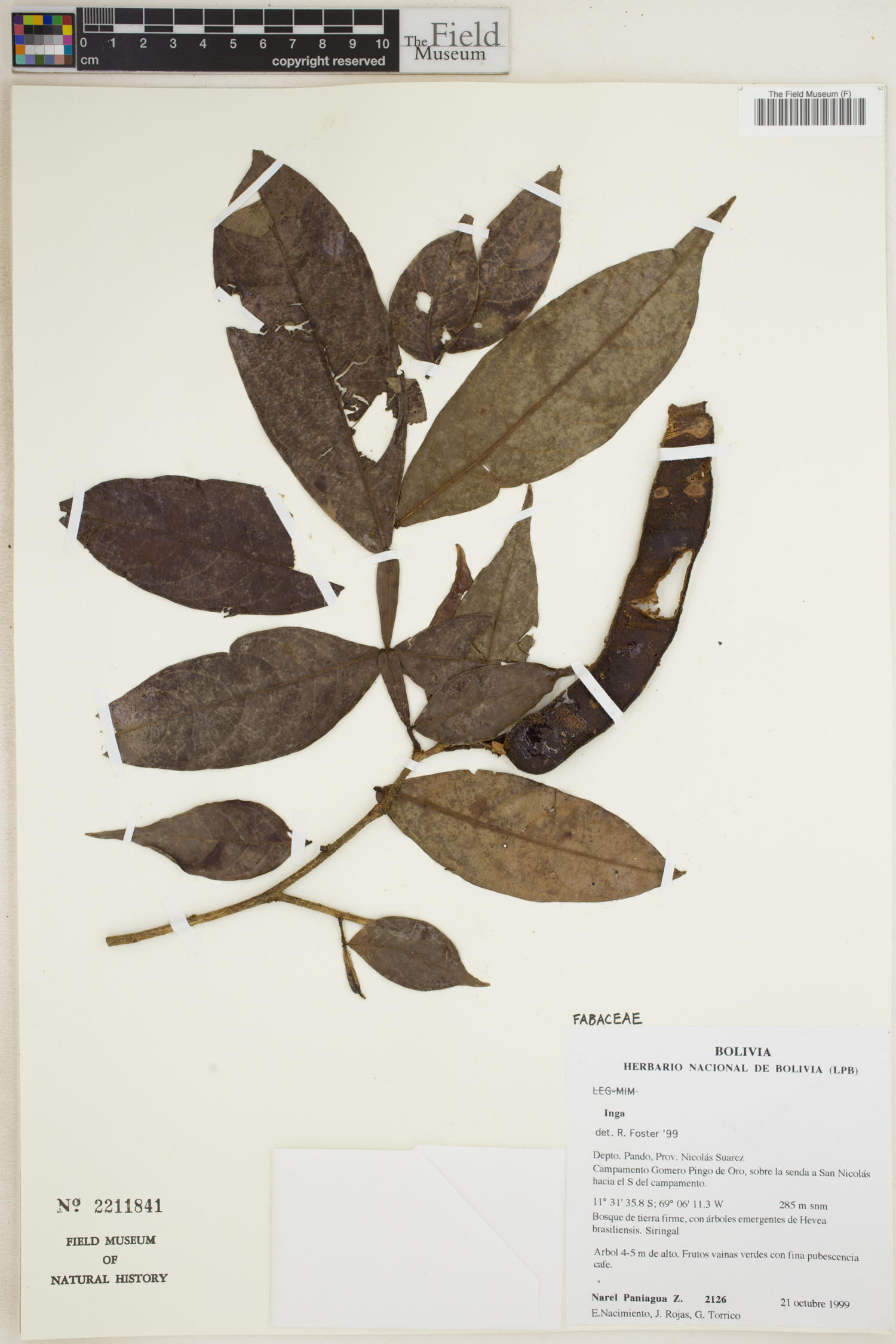
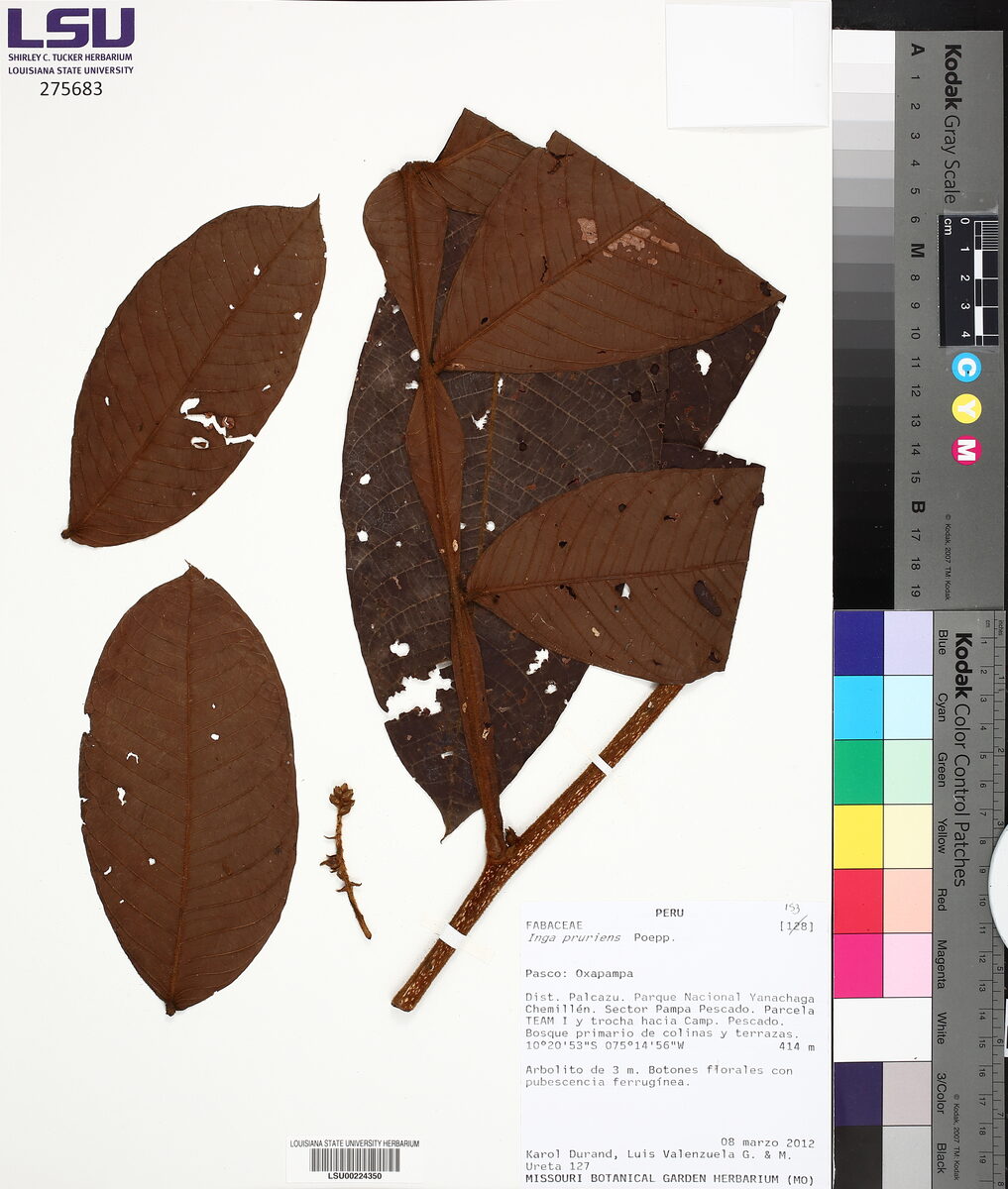
A tree. It grows 9 m high. The leaves have leaflets along the stalk. There are 3 broad leaflets. The flowers are bright red and in clusters at the ends of the branches. They appear both before and after the leaves. The fruit are long curved pods.
Edible Uses
Young flowers and leaves are eaten cooked.
Traditional Uses
The young flowers and leaves are eaten cooked.
This uses section is brief — help expand it
Medicinal Uses
The bark is antiasthmatic, calmative, diuretic, febrifuge, purgative and sedative. Said to be a good treatment for insomnia, it is also used in the treatment of whooping cough and liver ailments. A tincture or extract of the bark is used in Brazil as a treatment for asthma - it is said that bark derived from moist regions is worthless. The leaves are emollient. The bruised leaves are used for cleansing putrid ulcers and are applied locally to treat the pain of toothache. The stems and leaves are crushed and applied to venereal buboes, and applied in a cataplasm for treating cephalalgia. The bark and flowers are used as a treatment for asthma. The bark contains a narcotic alkaloid which affects the central nervous system without affecting the motor activity or muscle contractility. The plant contains alkaloids that have powerful narcotic and purgative effects. The plant contains the glycoside migarrhine.
Known Hazards
All Erythrina species contain greater or lesser amounts of toxic alkaloids - these can be found in all parts of the plant but are usually most concentrated in the seeds. Concentrations vary from species to species, in some it is low enough that the plant is safely used as a food. In many, the alkaloids are utilized for their medicinal effects. We have no specific information on the concentration of the alkaloids in this species, but care should be exercised in any use of the plant that involves ingestion. These alkaloids have a curare-like action (obtained from Strychnos species) and can cause paralysis and even death by respiratory failure.
Distribution
A tropical plant.
Where It Grows
Africa, Asia, Barbados, Bermuda, Caribbean, Dominica, Dominican Republic, Guadeloupe, Haiti, Hispaniola, India, Indochina, Jamaica, Kenya, Leeward Is., Malaysia, Martinique, Puerto Rico, Reunion, SE Asia, St Lucia, St. Vincent and Grenadines, Trinidad-Tobago, Vietnam, West Indies, Winward Is.,
Cultivation
A plant of the lowland tropics. Succeeds in a moderately fertile, well-drained soil. Plants commence flowering when 3 - 4 years old. All species in this genus are believed to be self-compatible. Their flowers are adapted to pollination by birds, though various insects can also cause fertilization. The various species of Erythrina can all, as far as is known, be intercrossed to produce fertile hybrids. Those species most closely related to each other cross fairly readily, but even species that are quite distant can hybridize. This species has a symbiotic relationship with certain soil bacteria, these bacteria form nodules on the roots and fix atmospheric nitrogen. Some of this nitrogen is utilized by the growing plant but some can also be used by other plants growing nearby.
Propagation
Fresh seeds, and those harvested within 3 - 6 months of maturity, can be sown without any special treatment. Germination rates are generally high and are often 100%. Seeds over 6 months old may take between 12 - 18 months to germinate due to their hard seed coat which becomes tougher with age. Soaking them in hot water, or abrading their seedcoat, can reduce this time considerably. They may be added to water which has just fallen below boiling point and left in the water as it cools for a minimum of one hour, but up to 12 hours for seed 3 years or more old, and then sown in the usual way. Alternatively, file the seeds with a slender triangular file. A groove can be made through the sides of the seed coat with care so as to avoid damaging the cotyledons or embryo, which usually results in the death of the seeds from fungal attack or in malformed and weakened seedlings. Seeds of most species produce strong seedlings from healthy seeds in almost any well-drained soil, with a minimum of trouble from damping-off disease. Cuttings of half-ripe wood. Heeled cuttings of young growth.
Other Uses
The white wood is used in cabinet making. The wood of Erythrina species is generally greyish-white in colour, light in weight but strong, with a spongy texture and not very durable. The plant is often grown as a living fence. It is a deciduous shrub with a soft, spongy wood bearing terrible spines and forming impenetrable hedges. Most Erythrina species are very easy to grow from cuttings, with even quite large branches striking well. In addition, they generally fix atmospheric nitrogen, have nutrient-rich leaves that make an excellent soil-enriching mulch, often have open crowns that do not overly restrict light, and are also often quite thorny and can provide impenetrable barriers to protect from unwelcome intrusions. Many species are therefore used as living fences to provide boundaries and livestock-proof hedges. The plant is often grown as a shade tree in coffee and cocoa plantations, and is also used for supporting vanilla plants.
Notes
The seeds and pods contain a narcotic alkaloid.
Synonyms
Also Known As
Ambola, Bucare peonia, Chocho, Colorin, Vong san-ho
References (5)
- Grandtner, M. M., 2008, World Dictionary of Trees. Wood and Forest Science Department. Laval University, Quebec, Qc Canada. (Internet database http://www.WDT.QC.ca)
- Grandtner, M. M. & Chevrette, J., 2013, Dictionary of Trees, Volume 2: South America: Nomenclature, Taxonomy and Ecology. Academic Press p 223
- Kermath, B. M., et al, 2014, Food Plants in the Americas: A survey of the domesticated, cultivated and wild plants used for Human food in North, Central and South America and the Caribbean. On line draft. p 344
- Kew Plants of the World Online
- Plants of Haiti Smithsonian Institute http://botany.si.edu/antilles/West Indies