Pipturus arborescens
(Link) C. B. Robinson
Dalunot
iNaturalist· cc-by-nc
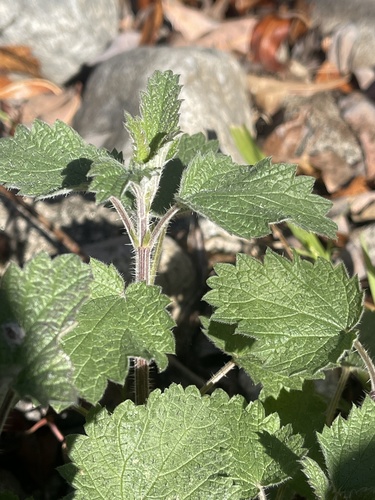
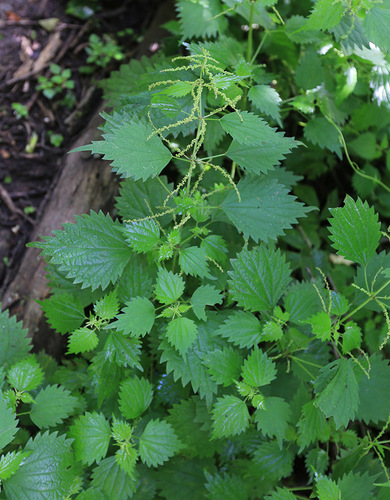
(c) Hong, some rights reserved (CC BY-NC), uploaded by Hong
iNaturalist· cc-by-nc
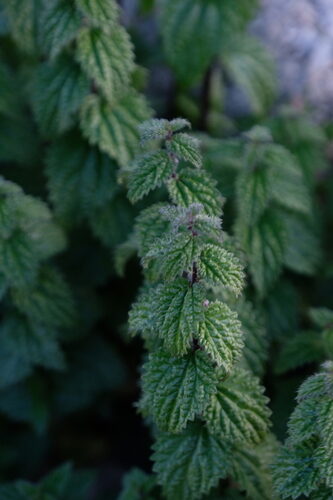
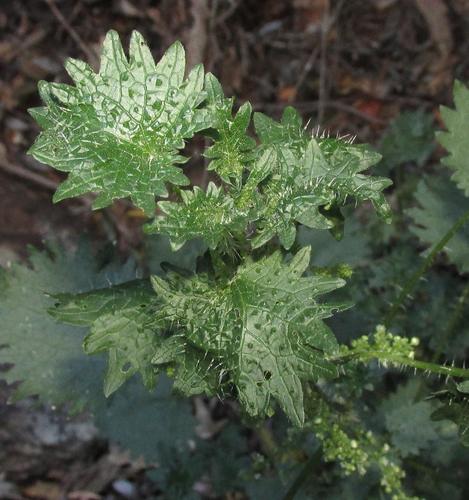
(c) Han-Ting Liu, some rights reserved (CC BY-NC), uploaded by Han-Ting Liu
iNaturalist· cc-by-nc
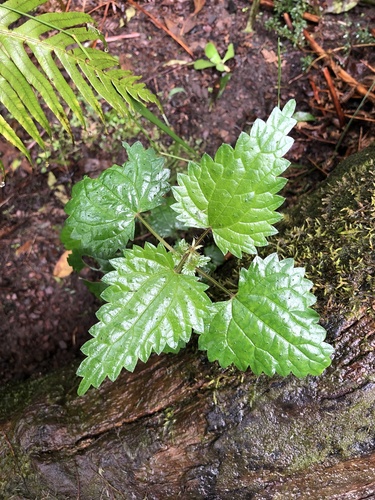
(c) Han-Ting Liu, some rights reserved (CC BY-NC), uploaded by Han-Ting Liu
Description
A shrub or small tree. It grows 10 m tall. The stems are densely covered with hairs. The leaves are velvety along the veins above and are white and woolly between the veins underneath. Leaves are oval and 6-20 cm long by 4-10 cm wide. The leaves have rounded teeth along the edge. The leaf stalks are 2-9 cm long. The flowers are in round heads.
Edible Uses
The composite fruits are edible. The white fruit is very soft and fleshy - consisting of many small achenes immersed in the fleshy perianths, it is about 10mm in diameter.
Traditional Uses
The fruit are eaten.
This uses section is brief — help expand it
Medicinal Uses
Scrapings from the bark are used externally as a cataplasm for boils. Phytochemical screening of leaves yielded anthrones, flavonoids, glycosidic flavonoids, phenolic compounds, steroids, tannins, triterpenes, anthraquinones and coumarins.
Distribution
It is a tropical plant. It grows in sunny places in Taiwan along the coast. It grows in secondary forests up to 2,000 m above sea level.
Where It Grows
Asia, Indonesia, Japan, Philippines, SE Asia, Taiwan,
Cultivation
A dioecious species, both male and female forms need to be grown if fruit and seed are required.
Other Uses
Fibres from the bark are used to make rope.
Notes
There are 30 Pipturus species
Synonyms
Also Known As
Agandong, Himaramai
References (3)
- Flora of China @ efloras.org Volume 5
- Flora of Taiwan Vol. 2:253
- Kuo, W. H. J., (Ed.) Taiwan's Ethnobotanical Database (1900-2000), http://tk.agron.ntu.edu.tw/ethnobot/DB1.htm