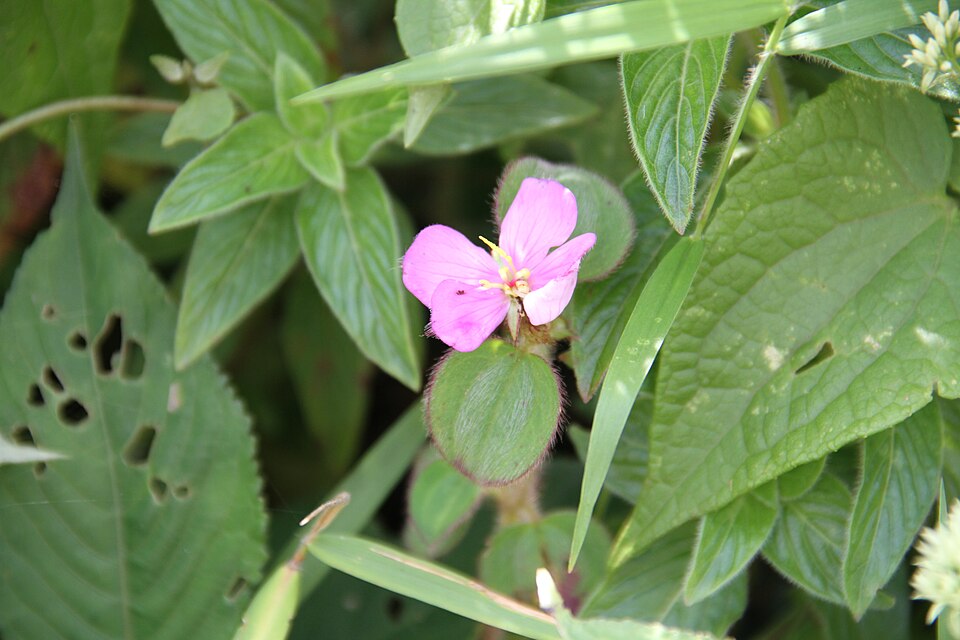
Dissotis canescens
(E. Mey. ex R. A. Graham) Hook. f.
Marsh dissotis
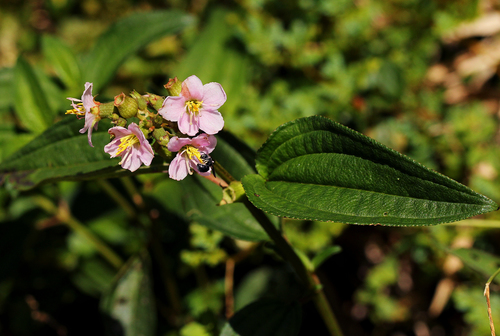
iNaturalist· cc-by-nc
(c) Tumelo Tony marobane, some rights reserved (CC BY-NC)
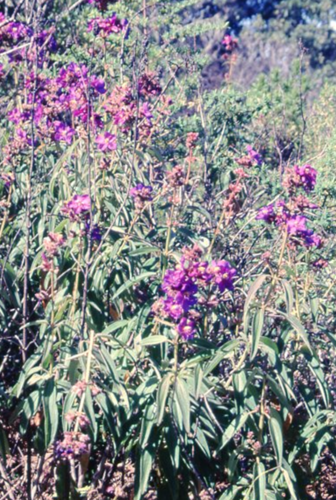
iNaturalist· cc-by-nc
(c) Troos van der Merwe, some rights reserved (CC BY-NC)
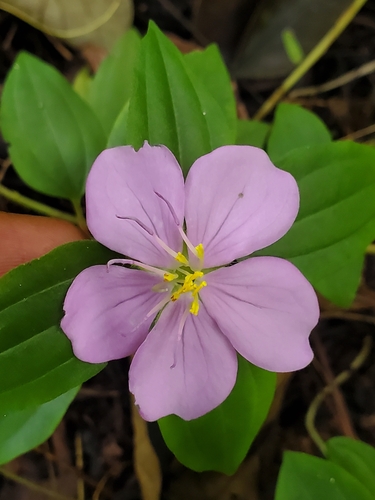
iNaturalist· cc-by-nc
(c) Troos van der Merwe, some rights reserved (CC BY-NC)
Description
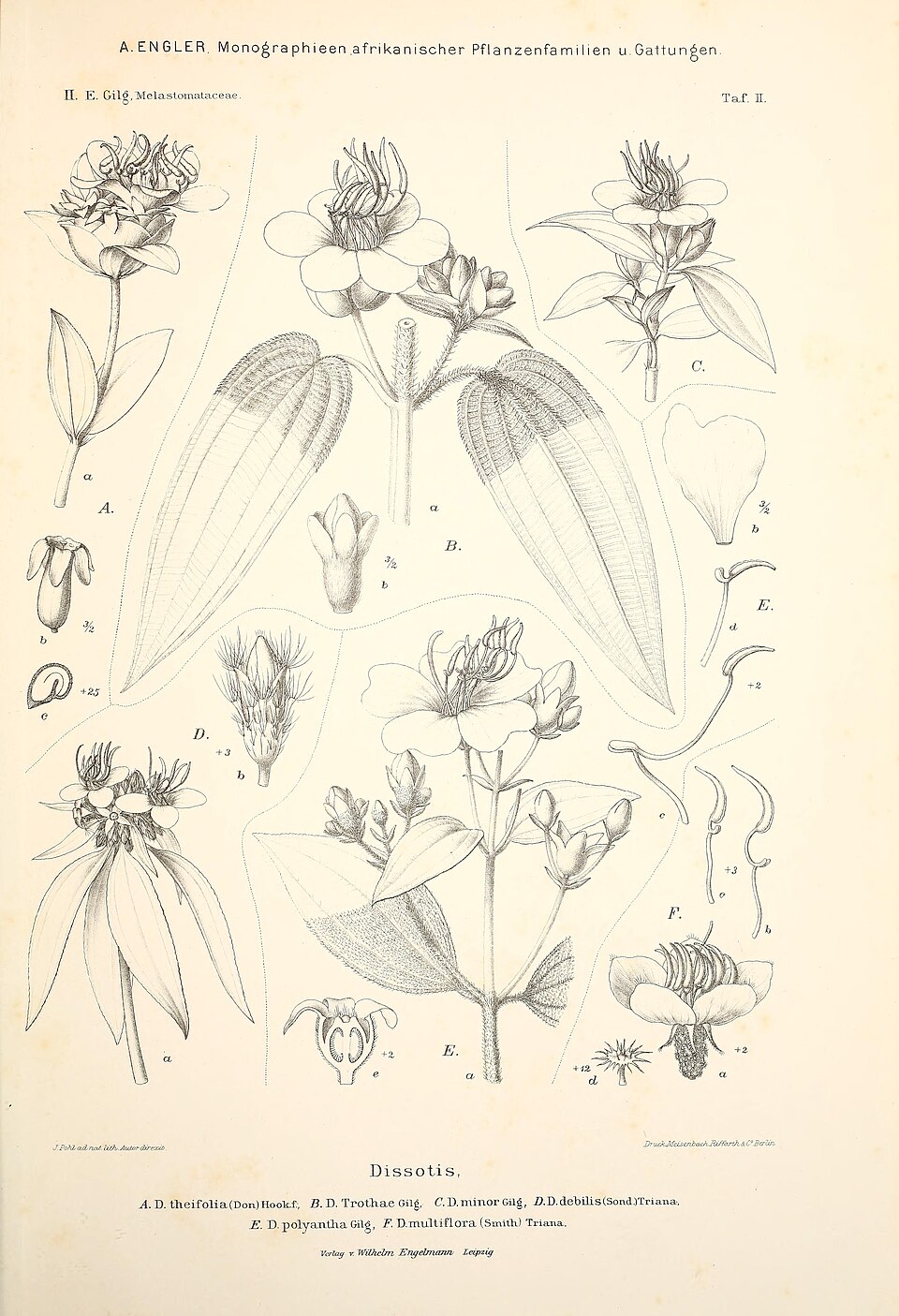
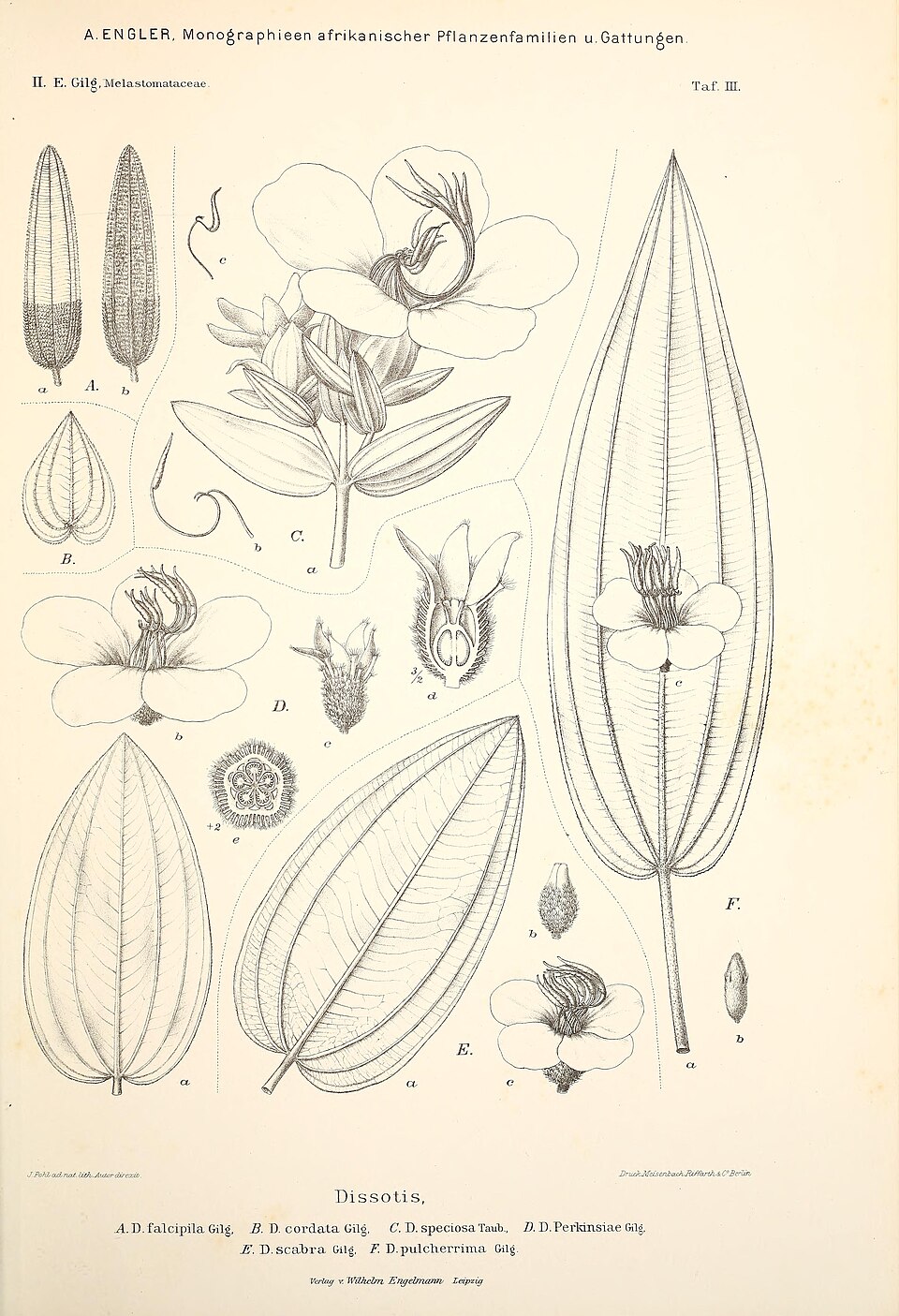
A shrub. It has soft wood. The branches are erect. It grows 1.2 m high. It has small grey star shaped hairs. The leaf blade is sword shaped. It is often most broad below the middle. There are several main veins coming from the base. The leaves are 8 cm long by 2 cm wide. The flowering clusters are in the axils of leaves. The fruit is enclosed in an enlarged tube.
Edible Uses
The leaves are cooked and eaten, and the plant is recognized as a famine food.
Traditional Uses
The leaves are cooked and eaten.
This uses section is brief — help expand it
Distribution
It is a tropical plant. In Swaziland it occurs in the high veld only. It grows in marshy places. It is often along streams. In Zimbabwe it grows up to 1,400 m above sea level.
Where It Grows
Africa, Central Africa, Congo, East Africa, Eswatini, Malawi, Mozambique, South Africa, Southern Africa, Swaziland, Zambia, Zimbabwe,
Cultivation
The plant can be grown from seeds, cuttings or sections of rooted runners.
Production
It is fast growing.
Other Information
It is a famine food.
Notes
There are about 140 Dissotis species.
Synonyms
Also Known As
Dzinganezwe, Erkhambi lemfula, Infeyesele, Likhambi lemfula, Musukandarira, Nyarumvurwe, Ordeal bean, Ruhororo, Sichibochobo, Wild lasiandra
References (9)
- East African Herbarium records, 1981,
- Fox, F. W. & Young, M. E. N., 1982, Food from the Veld. Delta Books. p 262
- Joffe, P., 2007, Creative Gardening with Indigenous Plants. A South African Guide. Briza. p 324
- Long, C., 2005, Swaziland's Flora - siSwati names and Uses http://www.sntc.org.sz/flora/
- Peters, C. R., O'Brien, E. M., and Drummond, R.B., 1992, Edible Wild plants of Sub-saharan Africa. Kew. p 146
Show all 9 references Hide references
- Ruiters-Welcome, A. K., 2019, Food plants of southern Africa. Ph.D. thesis. Univ. of Johannesburg p 78
- Swaziland's Flora Database http://www.sntc.org.sz/flora
- Welcome, A. K. & Van Wyk, B.-E., 2019, An inventory and analysis of the food plants of southern Africa. South African Journal of Botany 122 (2019) 136–179
- www.zimbabweflora.co.zw 2011