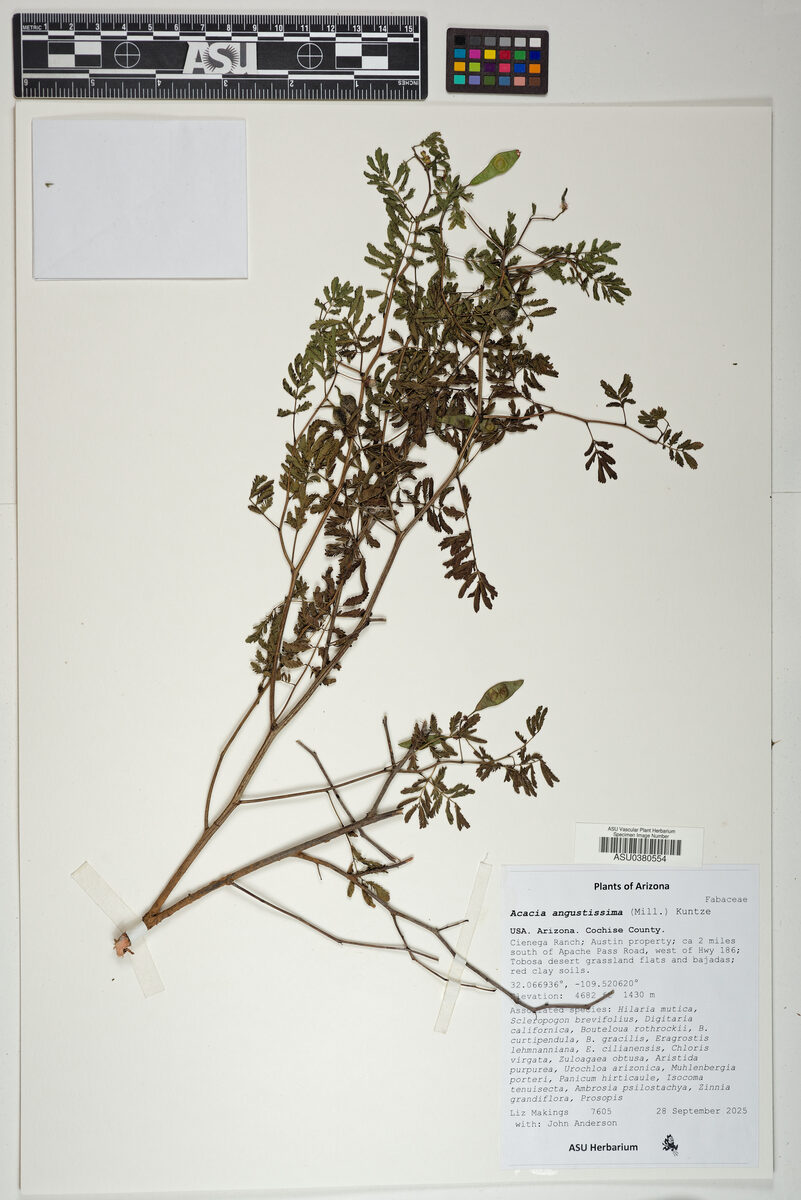
Chamaecrista biensis
(Steyaert) Lock
iNaturalist· cc-by-sa
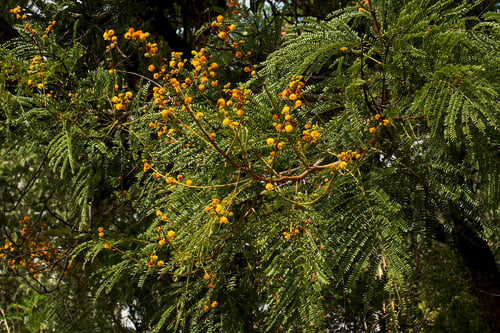
(c) Tony Rebelo, some rights reserved (CC BY-SA), uploaded by Tony Rebelo
iNaturalist· cc-by-nc
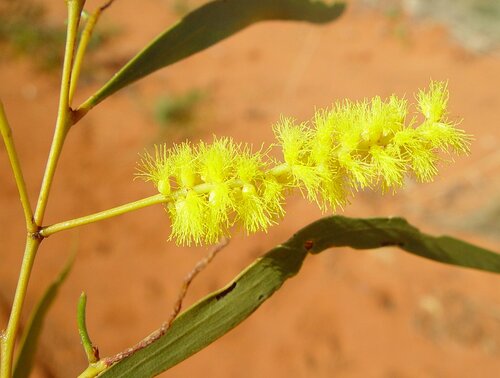
(c) Finn Rautenbach, some rights reserved (CC BY-NC)
Description
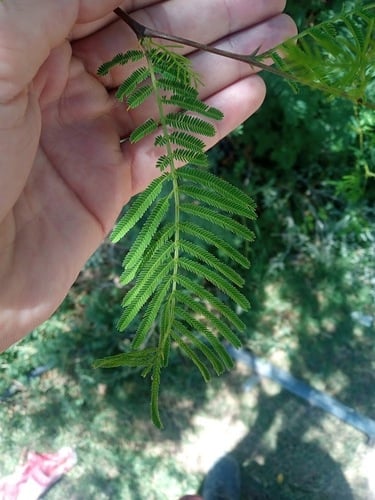
A herb with a woody rootstock. It lies along the ground. It grows 45 cm high. The leaves are alternate and have 13-24 pairs of leaflets. The leaflets do not have stalks and are narrow and unequal. They are 10 mm long by 2 mm wide. The flowers are near the axils of the leaves and have both sexes. The flower stalk is 2 cm long. The fruit is a 3-5 cm long. The seeds are 3 mm long.
Edible Uses
The roots are eaten.
Medicinal Uses
The raw or boiled root is eaten to cure stomach disorders.
Distribution
It is a tropical plant. It grows in sandy soils. It grows in savannah.
Where It Grows
Africa, Angola, Botswana, Central Africa, East Africa, Eswatini, Mozambique, Namibia, South Africa, Southern Africa, Swaziland, Zambia, Zimbabwe,
Cultivation
A plant of drier areas in the tropics and subtropics. Grows best in a sunny position in a sandy soil. This species has a symbiotic relationship with certain soil bacteria, these bacteria form nodules on the roots and fix atmospheric nitrogen. Some of this nitrogen is utilized by the growing plant but some can also be used by other plants growing nearby.
Propagation
Seed - it has a hard seedcoat and may benefit from scarification before sowing in order to speed up and improve germination. This can usually be done by pouring a small amount of nearly boiling water on the seeds (being careful not to cook them!) and then soaking them for 12 - 24 hours in warm water. By this time they should have imbibed moisture and swollen - if they have not, then carefully make a nick in the seedcoat (being careful not to damage the embryo) and soak for a further 12 hours before sowing.
Notes
Also as Caesalpinaceae.
Synonyms
Also Known As
Luntwele
References (7)
- http://aflora.africa.kyoto-u.ac.jp (As Cassia biennis)
- Peters, C. R., O'Brien, E. M., and Drummond, R.B., 1992, Edible Wild plants of Sub-saharan Africa. Kew. p 122
- Ruiters-Welcome, A. K., 2019, Food plants of southern Africa. Ph.D. thesis. Univ. of Johannesburg p 56
- Tanaka, 1980,
- van Wyk, Ben-Erik, 2019, The diversity and multiple uses of southern African legumes. Australian Systematic Botany, 2019, 32, 519–546
Show all 7 references Hide references
- Welcome, A. K. & Van Wyk, B.-E., 2019, An inventory and analysis of the food plants of southern Africa. South African Journal of Botany 122 (2019) 136–179
- World Checklist of Useful Plant Species 2020. Royal Botanic Gardens, Kew