Dichapetalum cymosum
(Hook.) Engl.
Poison leaf
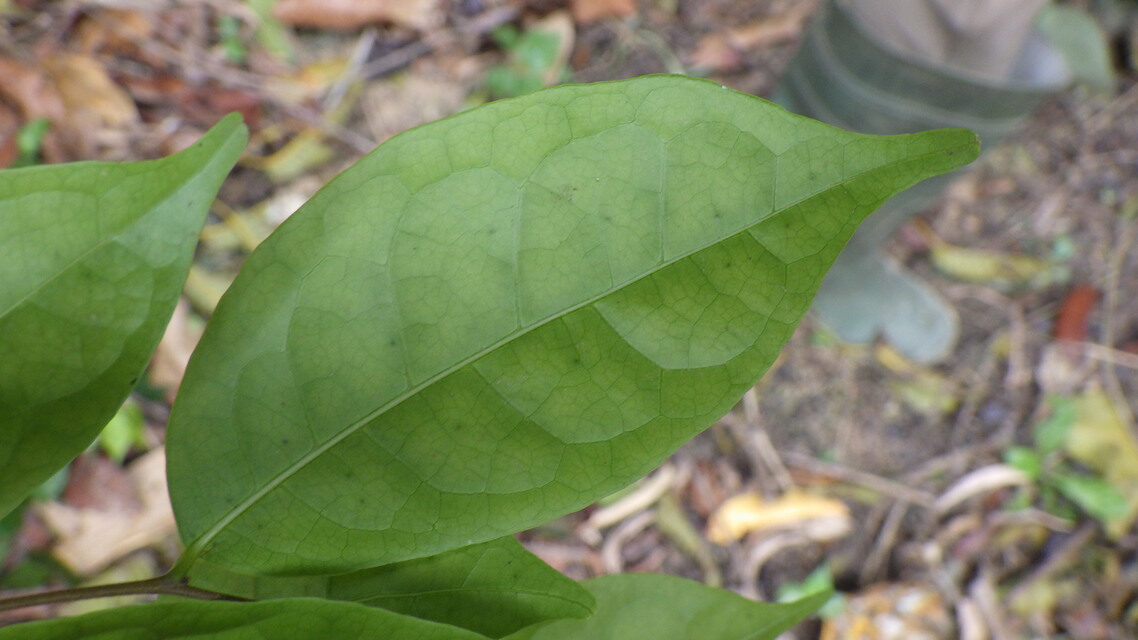
iNaturalist· cc-by-nc
(c) Jan-Hendrik Keet, some rights reserved (CC BY-NC), uploaded by Jan-Hendrik Keet
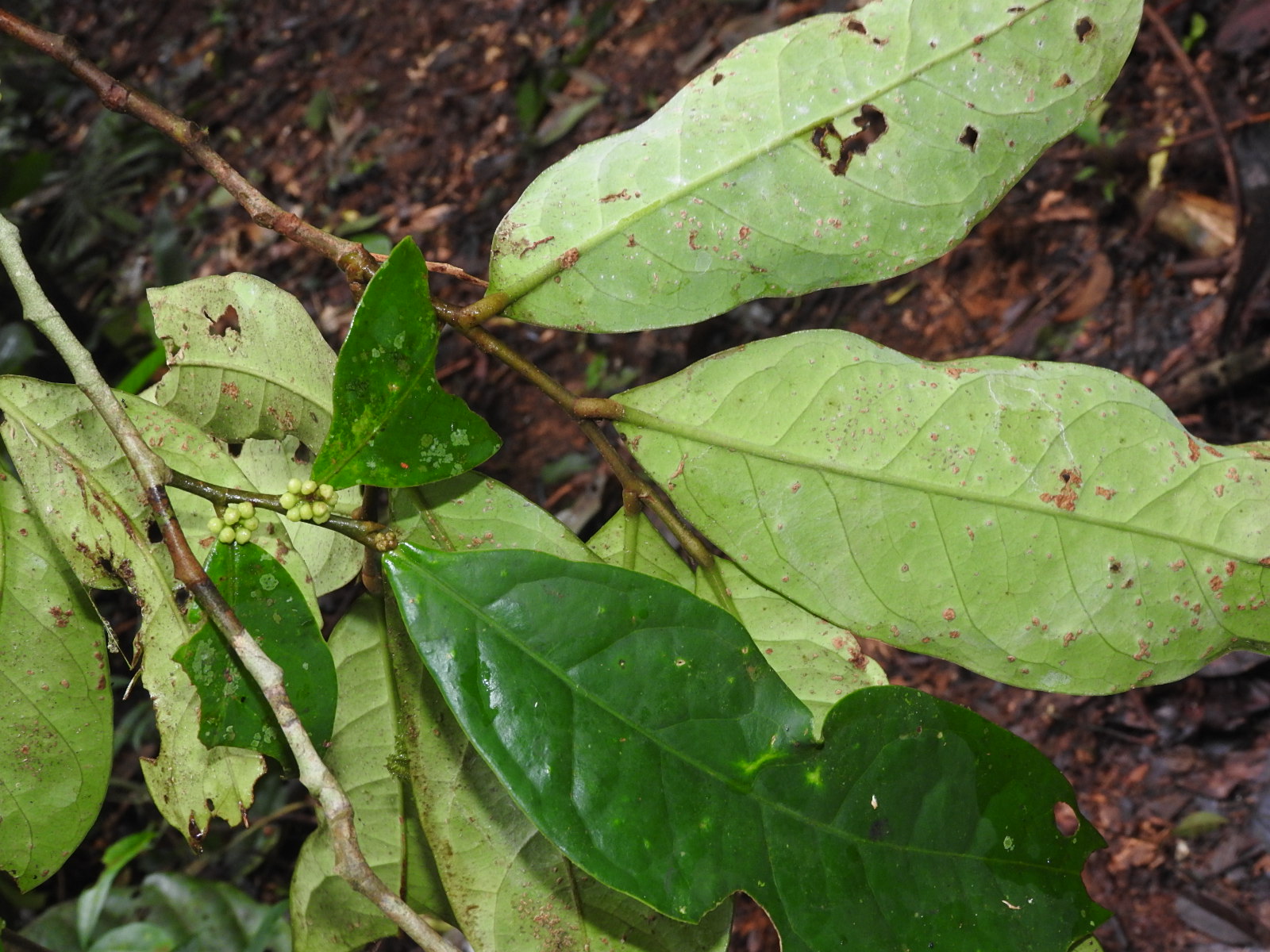
iNaturalist· cc-by-nc
(c) Jan-Hendrik Keet, some rights reserved (CC BY-NC), uploaded by Jan-Hendrik Keet
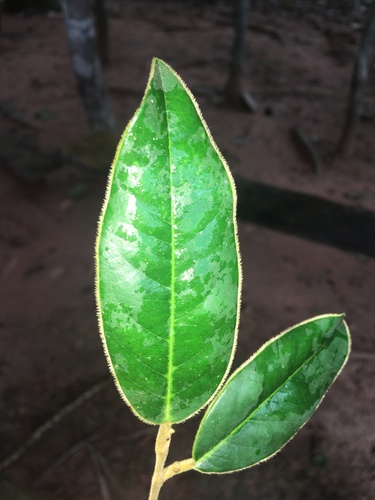
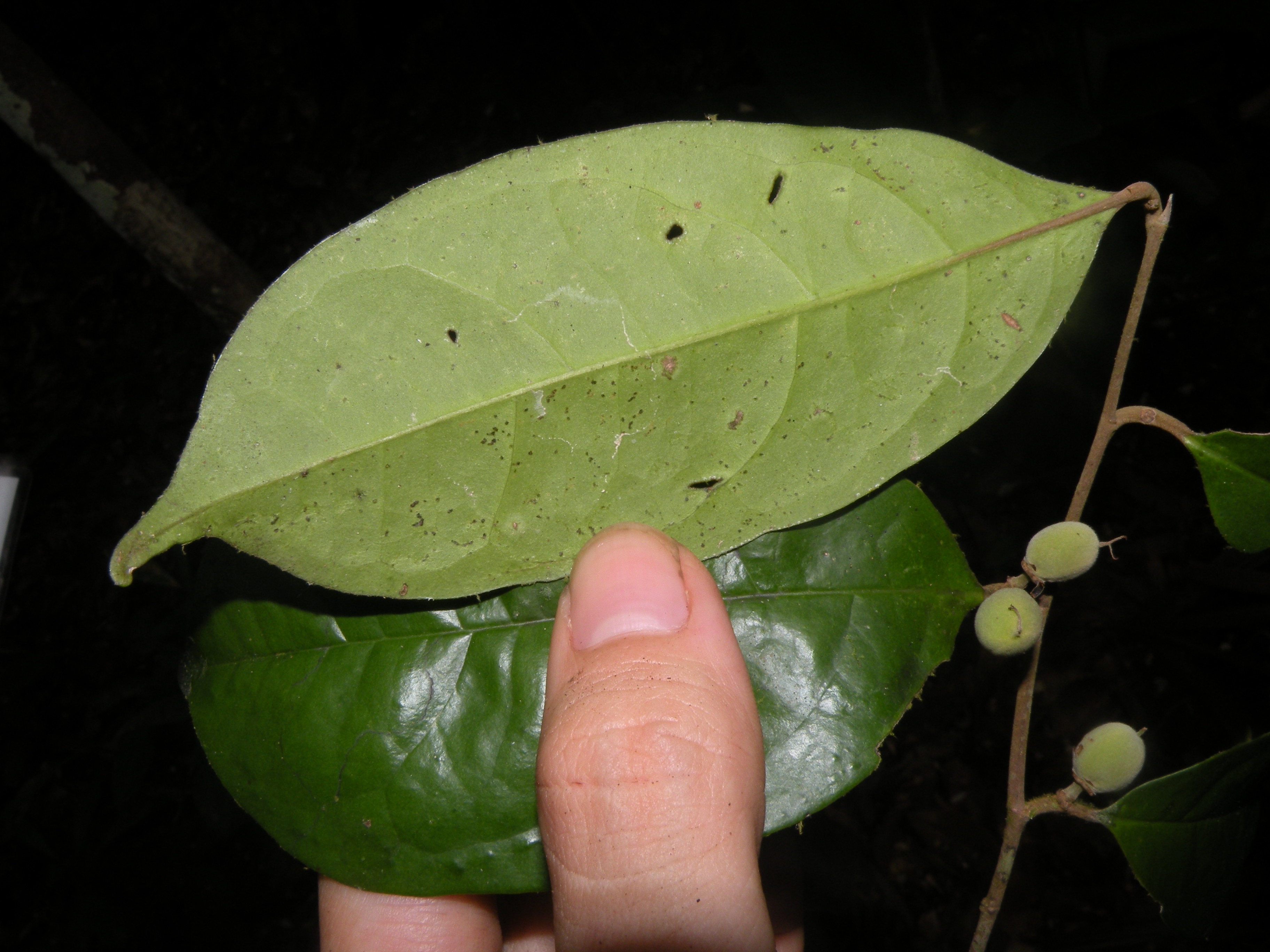
iNaturalist· cc-by-nc
(c) Robert Archer, some rights reserved (CC BY-NC), uploaded by Robert Archer
Summary
Source: WikipediaDichapetalum cymosum, commonly known as gifblaar in Afrikaans or occasionally by its English translation, poison leaf, is a small prostrate shrub in the family Dichapetalaceae, native to northern parts of Southern Africa. It is notable as a common cause of lethal cattle poisoning in this region and is considered one of the "big 6" most toxic plants to cattle in South Africa. A 1996 estimate of plant poisonings in South Africa attributed 8% of all cattle mortality caused by poisonous plants to gifblaar. The majority (70%) of fatal cases are in Limpopo province, with 10% each in North West, Mpumalanga, and Gauteng. The primary toxic principal is fluoroacetate, used to synthetically produce the mammal poison Compound 1080, and occurs in all parts of the plant. Symptoms of gifblaar toxicity include vomiting, seizures, and an irregular heartbeat, and death can occur in as little as a few hours. This poison is known as "the poison that keeps on killing" because the toxin stays in the body after the animal dies, so if a predator eats the animal, the predator gets poisoned, and so on up the food chain. Even small amounts can kill small mammals such as rats, earning it the name "ratbane". Dichapetalum cymosum was first recognised as toxic by the early Voortrekkers entering the Transvaal, who were probably alerted to its lethality by natives living in the region.
Description
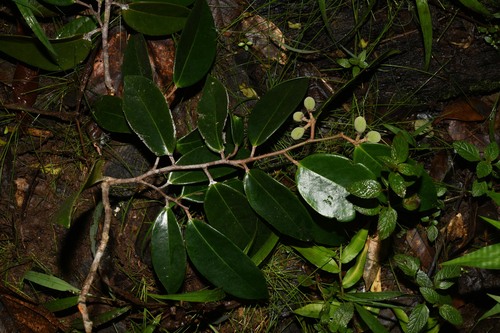
A small shrub. It grows 30 cm high. It has branched underground stems. It forms colonies. It loses its leaves during the year. The flowers are small and white. They are in clusters. They have a scent. The fruit are yellow and egg shaped. They have one large seed.
Edible Uses
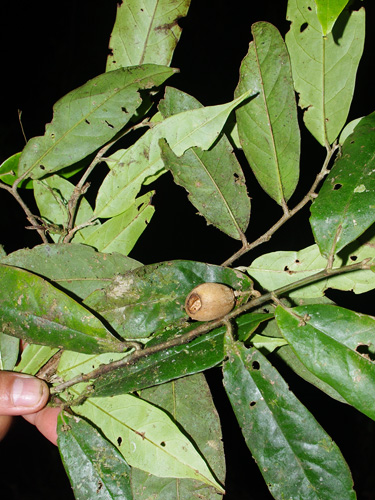
Fruit. The outer, fleshy layer of the fruit is considered to be edible, though all other parts of the plant are highly toxic. The bright yellow, or yellowish-orange, obovoid fruits are up to 40mm long and 25mm in diameter.
Traditional Uses
The fruit pulp is eaten. It has intoxicating effects. The young fruit are roasted. Caution: The seed is toxic. The skin is also probably poisonous. It is peeled 1 cm thick. The leaves are poisonous.
Medicinal Uses
The fluoroacetate found in the plant may be used as a precursor to other organofluorides. There is preliminary evidence for some of these compounds in HIV anti-infective therapy.
Known Hazards
The toxic compound isolated as the cause of gifblaar poisoning is fluoroacetate, which was first isolated by Marais in 1944. The LD50 of this compound is 0.5 mg/kg, which means that about 200 grams of dry plant material is sufficient to kill a 500 kg cow. The compound itself is not toxic but undergoes lethal synthesis in the body while reacting with coenzyme A, yielding fluoroacetyl-Coenzyme A. This compound then reacts with oxaloacetate to form fluorocitrate, which is toxic, being a competitive substrate for aconitase (whose normal substrate is citrate). It binds irreversibly to the aconitase but cannot be released, disrupting the Krebs cycle and thus severely inhibiting cellular respiration. Furthermore, fluorocitrate, unlike citrate, cannot cross from the cytoplasm into the mitochondria, where citrate is needed. It is instead degraded in the cytoplasm. Cattle are mostly affected, with sheep, goats and game rarely being poisoned. The compound is equally poisonous to these species; an explanation is that the bulk grazing style of cattle, which is by nature less selective, lends itself to the ingestion of the plant. Young sprouts have more monofluoroacetate, but all parts are lethal. The plant sprouts in late winter, before the spring rains, the cue for most plants - including grasses - to shoot. This makes it the predominant greenery during that period. Cases of poisoning are most frequent at this time. Later in the season, gifblaar poisoning is far less common; presumably enough other grazing occurs that gifblaar is not eaten. Autumn (late season) poisonings also occur. This is associated with heavy grazing, leading to denudation of preferred species, and gifblaar is again the predominant herbage within the camp. Poisoning of carnivores, including dogs, has been reported after consumption of ruminal contents of poisoned animals.
Distribution
It is a subtropical plant. It grows in hot arid areas with a marked dry season. It grows in stony and sandy soils. In Namibia it grows on deep sands. It needs well-drained soils. It grows between 850-1980 m above sea level. It can grow in arid places.
Where It Grows
Africa, Angola, Botswana, Central Africa, East Africa, Mozambique, Namibia, South Africa, Southern Africa, Zambia, Zimbabwe,
Other Information
The fruit are eaten in large amounts by people of the Okavango.
Notes
There are 124 Dichapetalum species. There are 86 species in tropical Africa.
Synonyms
Also Known As
Aliko, Blaargif, Magen, Maya, Mkanzane, Mojao, Mubete, Ncusane, Umkuzane
References (13)
- Dalziel, J. M., 1937, The Useful plants of west tropical Africa. Crown Agents for the Colonies London.
- Fowler, D. G., 2007, Zambian Plants: Their Vernacular Names and Uses. Kew. p 79
- Fox, F. W. & Young, M. E. N., 1982, Food from the Veld. Delta Books. p 179
- Lee, 1979,
- Leger, S., 1997, A Description of Today's Use of Plants in West Bushmanland (Namibia). German Development Service. PO Box 220035, 14061 Berlin, Germany. http://www.sigridleger.de/book/
Show all 13 references Hide references
- Marshall, 1976,
- Peters, C. R., O'Brien, E. M., and Drummond, R.B., 1992, Edible Wild plants of Sub-saharan Africa. Kew. p 103
- Plowes, N. J. & Taylor, F. W., 1997, The Processing of Indigenous Fruits and other Wildfoods of Southern Africa. in Smartt, L. & Haq. (Eds) Domestication, Production and Utilization of New Crops. ICUC p 189
- Royal Botanic Gardens, Kew (1999). Survey of Economic Plants for Arid and Semi-Arid Lands (SEPASAL) database. Published on the Internet; http://www.rbgkew.org.uk/ceb/sepasal/internet [Accessed 16th April 2011]
- Ruiters-Welcome, A. K., 2019, Food plants of southern Africa. Ph.D. thesis. Univ. of Johannesburg p 51
- Story, 1958,
- Welcome, A. K. & Van Wyk, B.-E., 2019, An inventory and analysis of the food plants of southern Africa. South African Journal of Botany 122 (2019) 136–179
- World Checklist of Useful Plant Species 2020. Royal Botanic Gardens, Kew