Combretum schumannii
Engl.
Minda, Mwinda
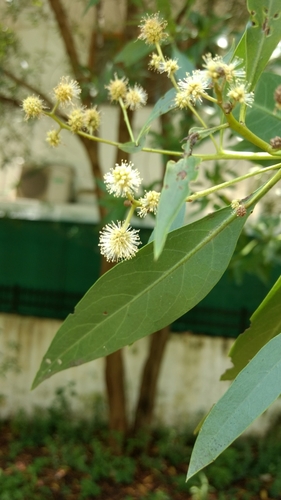
iNaturalist· cc-by-nc
(c) bryanadkins, some rights reserved (CC BY-NC)
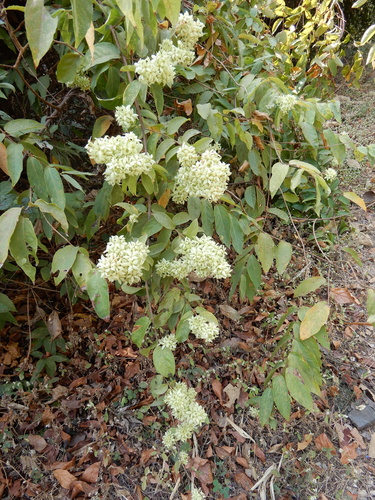
iNaturalist· cc-by-nc
(c) renger, some rights reserved (CC BY-NC)
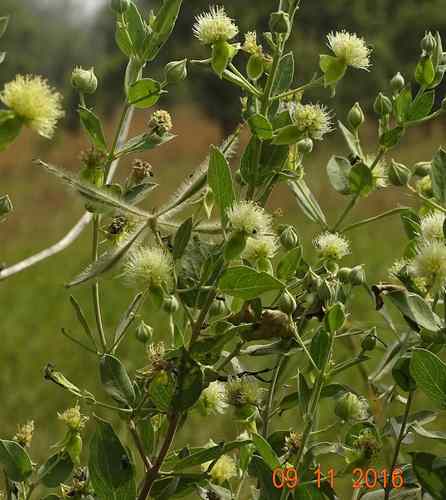
iNaturalist· cc-by
(c) garywwilson, some rights reserved (CC BY), uploaded by garywwilson
Description
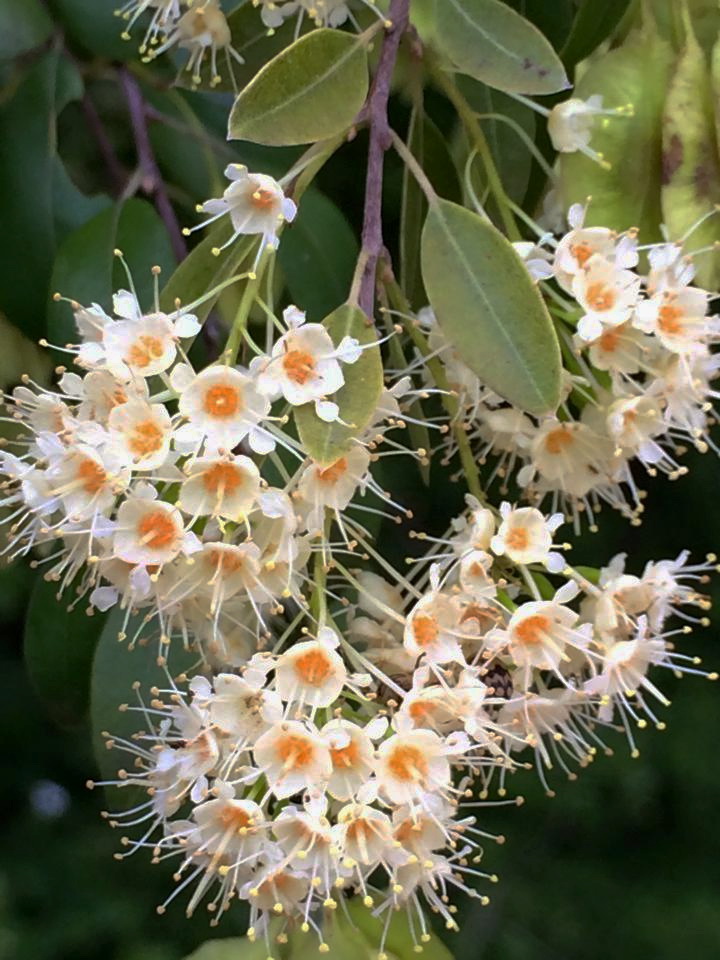
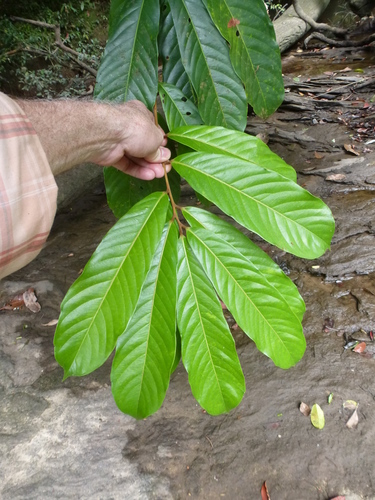
A shrub or small tree. It can grow 18 m tall. It loses its leaves during the year. The bark is grey and scaly. The small branches are slender. The leaves are opposite. The leaf blade is 2-9 cm long by 1-5 cm wide. They are papery. They are oval and blunt at the tip and wedge shaped at the base. There are 3-5 pairs of side veins. The flowers are pale yellow. The flowers are in spikes in the axils of fallen leaves. The fruit is green and 3.5 cm across.
Edible Uses
The nectar is edible.
Medicinal Uses
A pulp made from the root bark is applied to swellings. It is pounded and rubbed on swollen legs to reduce oedema. The leaves are used in the treatment of epilepsy and headaches. They are heated and applied to the chest to treat pneumonia.
Distribution
It is a tropical plant. It grows on sand in woodland and thickets.
Where It Grows
Africa, Angola, Botswana, Central Africa, Congo, East Africa, Kenya, Malawi, Mozambique, Southern Africa, Tanzania, Zambia,
Cultivation
Trees respond well to coppicing.
Propagation
Seed - it has a short period of viability and so should be sown while still fresh. Germination can be fast and the germination rate high. Whole fruits can be stored for a few weeks only without affecting the germination capacity of the seed. It has been recommended to strip off the wings of the fruit before sowing. Trees may produce root suckers that can be used for propagation.
Other Uses
The heartwood is dark purplish brown when freshly sawn, slowly darkening to nearly black after some years; it is distinctly demarcated from the narrow band of whitish sapwood. The grain is straight, texture moderately fine to fine, but not always even. The wood is heavy, hard, fairly durable, even in contact with the ground, and resists termite and marine borer attacks quite well. It is easy to work as long as sharp tools are used, and it takes a very nice polish; the turning properties are excellent; pre-boring is necessary for nailing; it joints well. The wood is used for heavy construction, flooring, pestles, combs and carvings. It is suitable for interior trim, ship building, vehicle bodies, mine props, handles, ladders, sporting goods, musical instruments, pulley blocks, toys, novelties, precision equipment and turnery. The branches are used for making bows for children to practice hunting; though they are not suited for adult bows because they break too easily. The wood is a very popular material for carving. The wood is used for fuel and also to make charcoal. It has been reported that the tree gives mulch of good quality. The flowers are a good source of nectar and pollen for honey bees.
Synonyms
References (4)
- East African Herbarium records, 1981,
- Flora Zambesiaca. http://apps.kew.org/efloras
- Fowler, D. G., 2007, Zambian Plants: Their Vernacular Names and Uses. Kew. p 20
- Peters, C. R., O'Brien, E. M., and Drummond, R.B., 1992, Edible Wild plants of Sub-saharan Africa. Kew. p 86