Brachystelma glabriflorum
(F.Muell.) Schltr.
Bush potato
iNaturalist· cc-by-nc
(c) Plaxy QF Purich, some rights reserved (CC BY-NC)
iNaturalist· cc-by-nc
(c) Plaxy QF Purich, some rights reserved (CC BY-NC)
iNaturalist· cc-by-nc
(c) Plaxy QF Purich, some rights reserved (CC BY-NC)
Description
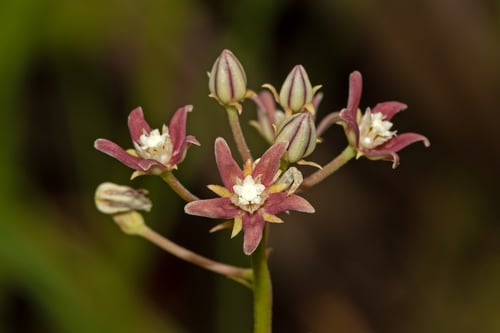
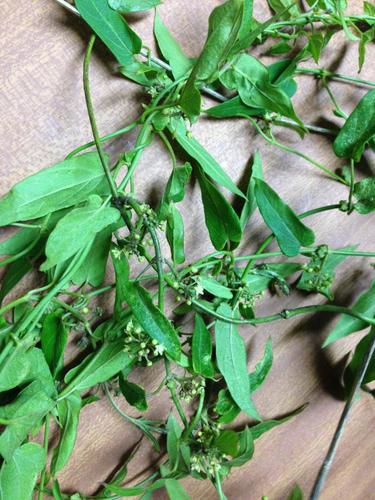
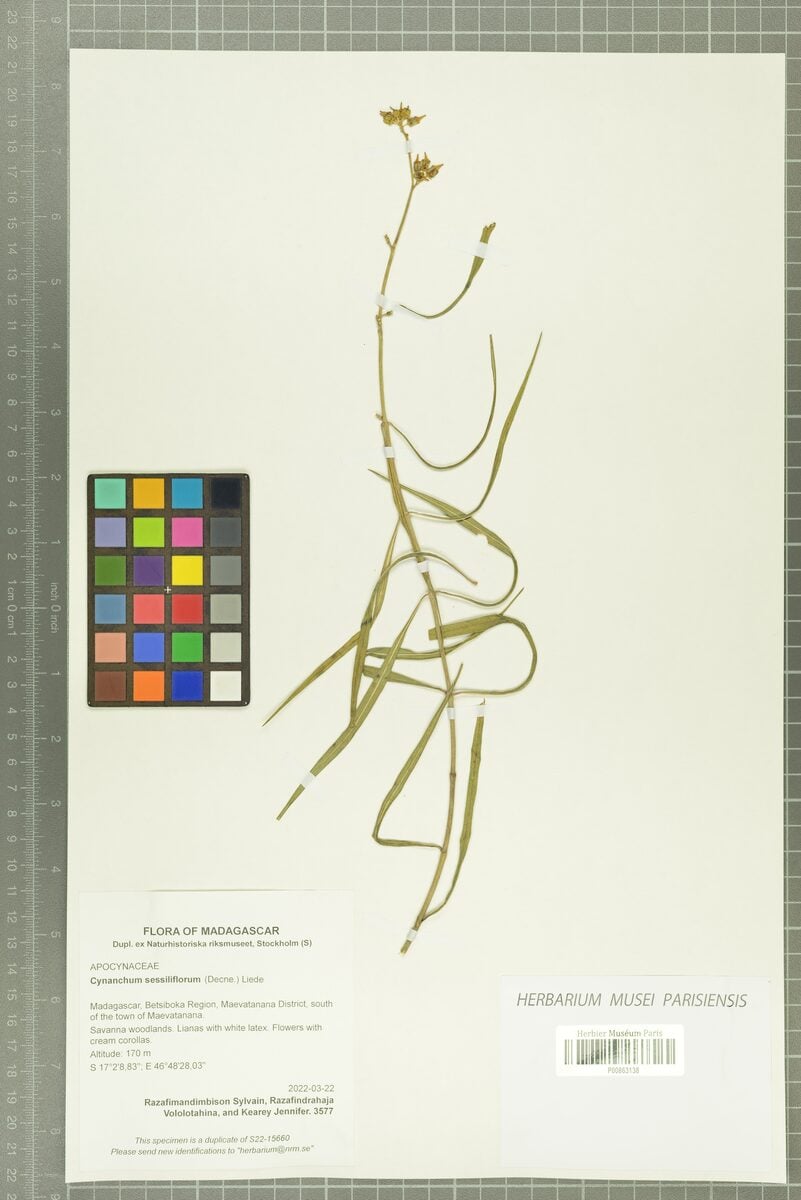
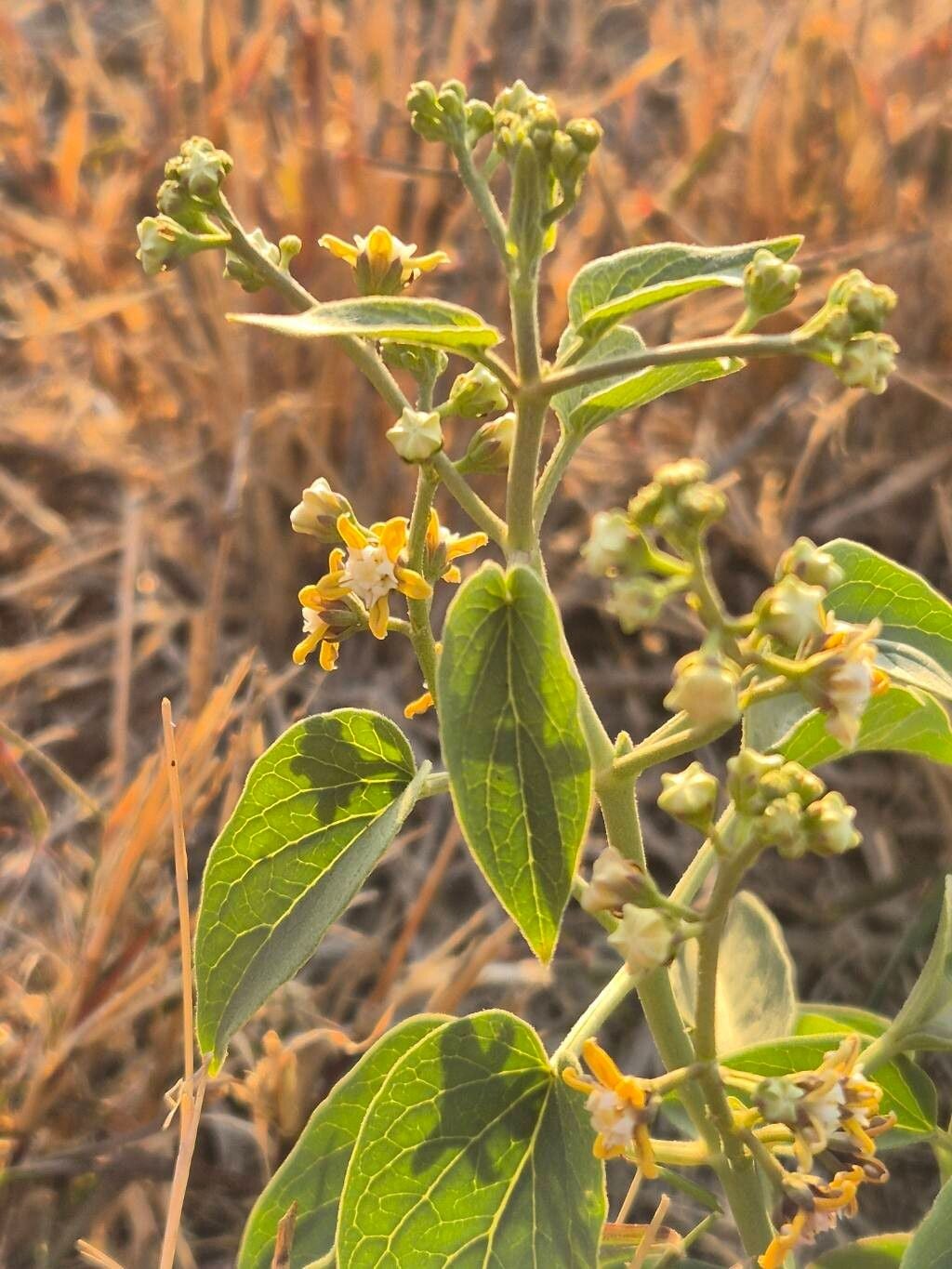
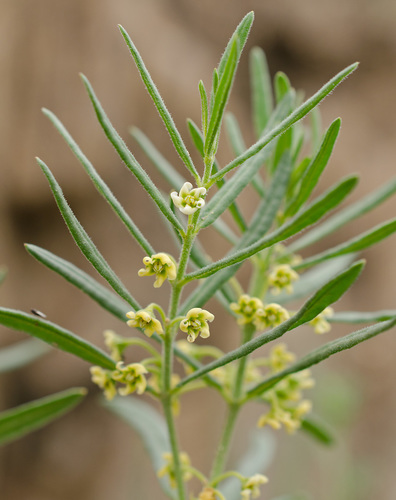
A small plant which looks like grass but with a thicker stronger stem. The stems are 20-85 cm long. The leaves can be very small, like scales. They can also be long and narrow and 0.5-10 cm long by 2-10 mm across. The flowers are 10-12 mm long and 3-5 mm across. The plant has irregular shaped tubers. They can be 1-8 cm across. These tubers look and taste like potatoes.
Edible Uses
The tubers can be eaten raw or cooked and taste like potatoes.
Traditional Uses
The tubers can be eaten raw or cooked.
This uses section is brief — help expand it
Distribution
A tropical plant. It grows in open forest in sandy or seasonally waterlogged soils. It is often near the edges of swamps amongst short rushes.
Where It Grows
Australia*, Pacific, Papua New Guinea, PNG, Malesia,
Cultivation
Plants can be grown from seed. Presumably they can be grown from the tubers.
Other Information
Used by various aboriginal groups in Australia. It is not known if it is used for food in Papua New Guinea.
Notes
Also put in the family Asclepiadaceae.
Synonyms
Also Known As
Badju, Bowich, Bungie, Chunga, Chungra, Djalwak, Jaliwak, Jaliwaki
References (10)
- Cribb, A.B. & J.W., 1976, Wild Food in Australia, Fontana. p 160 (As Microstemma tuberosum)
- Elliot, W.R., & Jones, D.L., 1993, Encyclopedia of Australian Plants suitable for cultivation. Vol 6. Lothian. p 412 and
- Flora of Australia, Volume 28, Gentiales, Melbourne:CSIRO Australia, 1996. p 280, Fig 86 p 153, Fig 124 p 281, Map 334 p 285
- Forster, P. I., 1987, Ethnobotanical Use of Brachystelma (Asclepiadaceae) in Australia. Economic Botany 41(2): 323-324
- Hiddins, L., 1999, Explore Wild Australia with the Bush Tucker Man. Penguin Books/ABC Books. p 132
Show all 10 references Hide references
- Levitt, D., 1981, Plants and people. Aboriginal uses of plants on Groote Eylandt, Australian Institute of Aboriginal Studies, Canberra. p 83 (As Microstemma tuberosum)
- Paczkowska, G. & Chapman, A.R., 2000, The Western Australian Flora. A Descriptive Catalogue. Western Australian Herbarium. p 152
- Smith, N. M., 1991, Ethnobotanical Field Notes from the Northern Territory, Australia, J. Adelaide Bot. Gard. 14(1): 1-65
- Tiwi Plants and Animals. 2001, Aboriginal flora and fauna knowledge from Bathurst and Melville Islands, northern Australia. Northern Territory Botanical Bulletin; No. 24 p 30
- Williams, K.A.W., 1999, Native Plants of Queensland Volume 4. Keith A.W. Williams North Ipswich, Australia. p 78