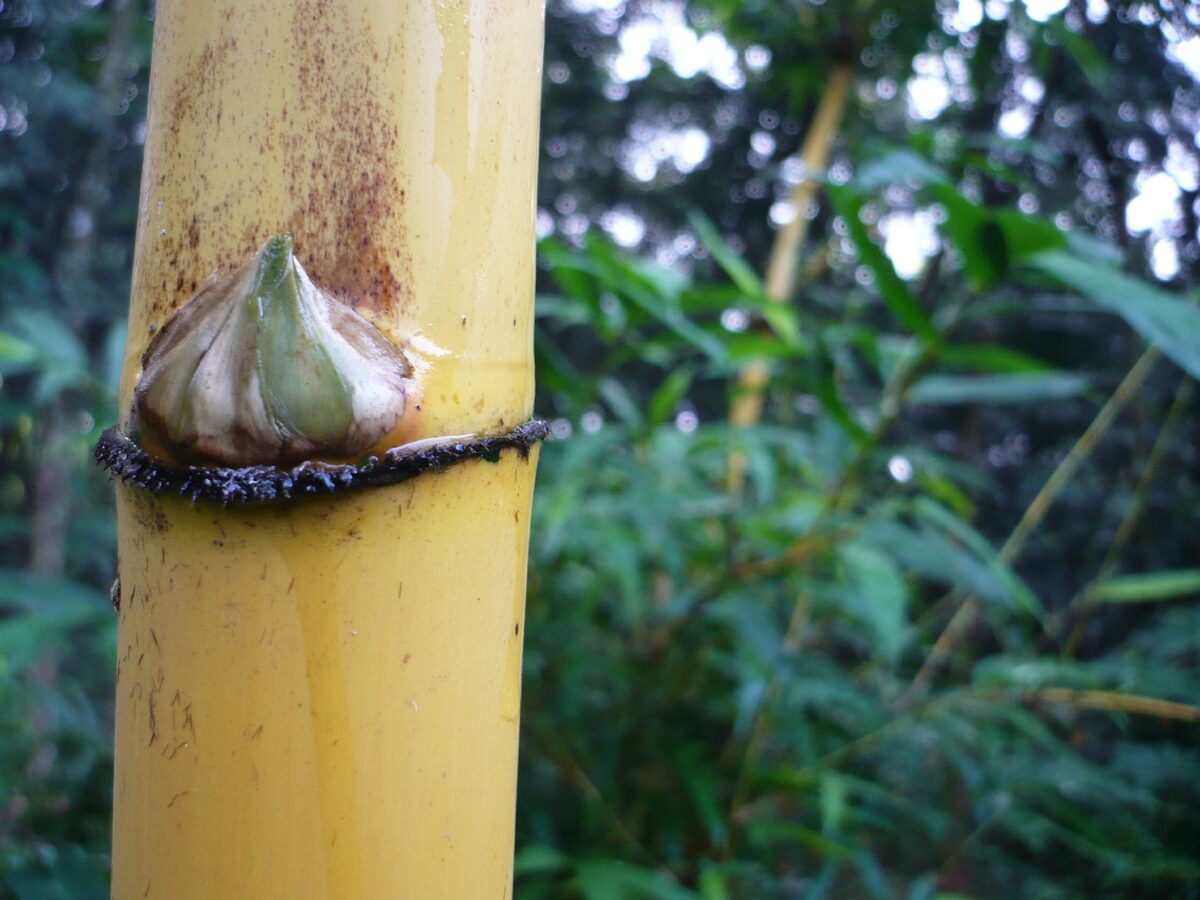
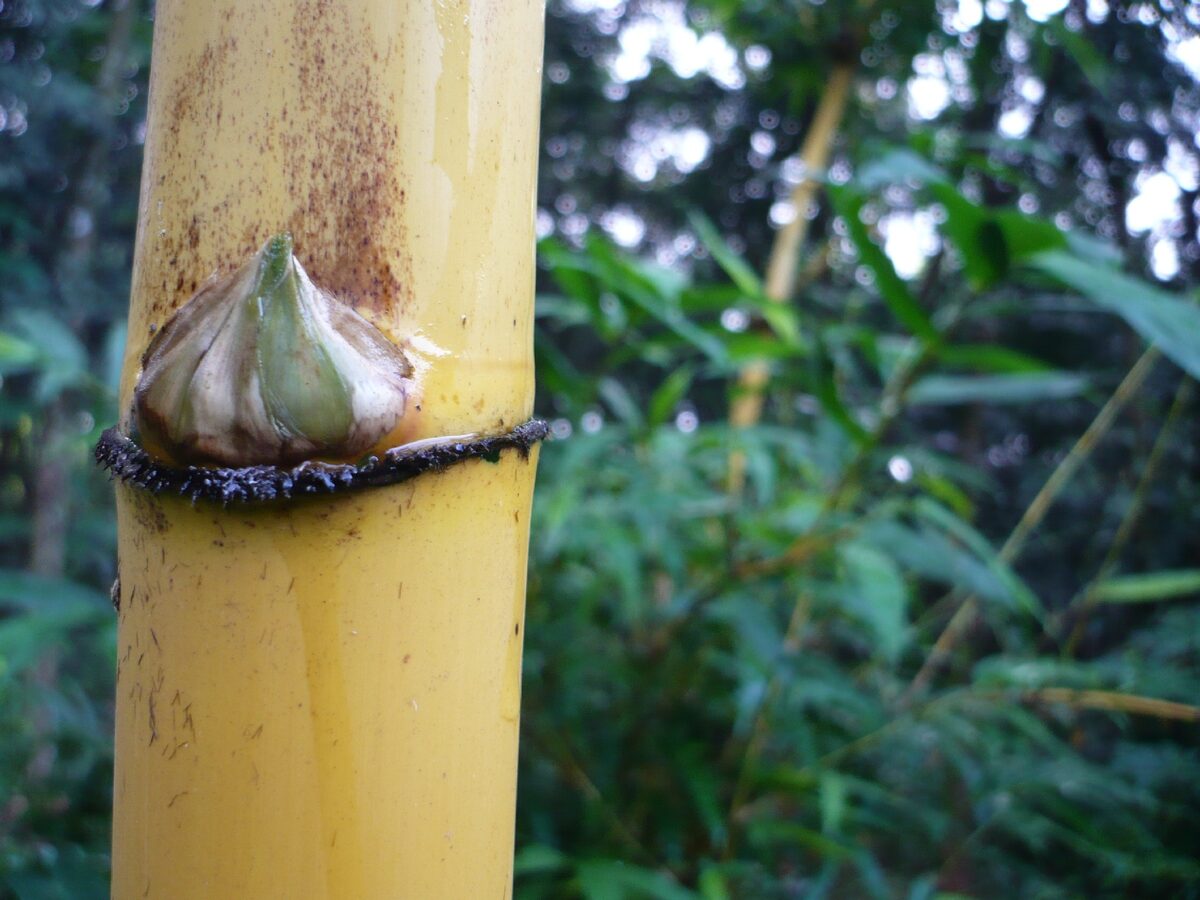
Brachiaria villosa
(Lam.) A, Camus
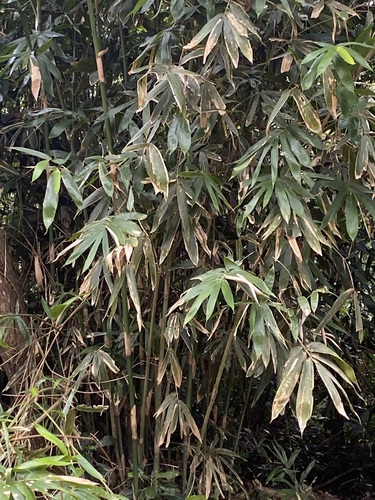
iNaturalist· cc-by-nc
(c) 李博恒, some rights reserved (CC BY-NC)
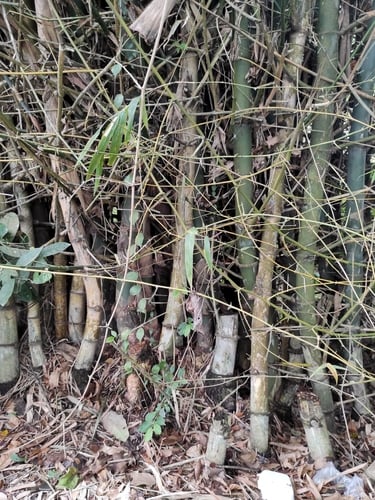
iNaturalist· cc-by-nc
(c) 李博恒, some rights reserved (CC BY-NC)
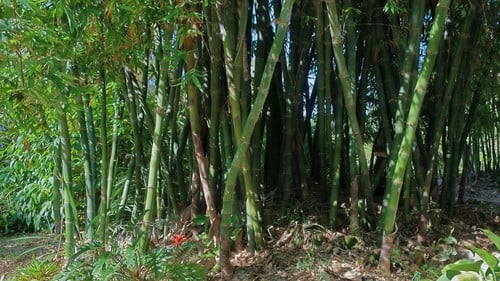
iNaturalist· cc-by-nc
(c) lubukun, some rights reserved (CC BY-NC)
Description
An annual grass. It forms loose tufts. It can be creeping and grows 45 cm high. It has a small root system. The spikelet is 2.5 mm long.
This description is brief — help expand it
Edible Uses
The seeds are used as a cereal grain.
Known Hazards
It can be a weed problem in crops.
Distribution
It is a tropical plant. It grows in waste land and disturbed soils in the Sahel in West Africa. It can grow in arid places. It grows in lowland savannah. It can grow on the edges of mangroves and coastal sands.
Where It Grows
Africa, Angola, Asia, Bangladesh, Benin, Bhutan, Burkina Faso, Cameroon, Cape Verde, Central Africa, China, Congo, Côte d'Ivoire, East Africa, Gambia, Ghana, Guinea, Guinée, Guinea-Bissau, Himalayas, India, Indochina, Indonesia, Ivory Coast, Japan, Liberia, Mali, Mauritania, Mozambique, Myanmar, Nepal, Niger, Nigeria, Pakistan, Papua New Guinea, PNG, Philippines, Sahel, SE Asia, Senegal, Sierra Leone, Sudan, Thailand, Togo, Uganda, Vietnam, West Africa,
Cultivation
The plant is a weed of cultivation, invading first year fallows and all arable crops. It is particularly troublesome in The Gambia in fields of maize, millet and ground-nuts.
Notes
It can be a weed problem in crops.
Synonyms
Also Known As
Bocansole, Funfuri, Gagaji, Garaji
References (9)
- Abbiw, D.K., 1990, Useful Plants of Ghana. West African uses of wild and cultivated plants. Intermediate Technology Publications and the Royal Botanic Gardens, Kew. p (As Brachiaria distichophylla)
- Bircher, A. G. & Bircher, W. H., 2000, Encyclopedia of Fruit Trees and Edible Flowering Plants in Egypt and the Subtropics. AUC Press. p 63 (As Brachiaria distichophylla)
- Burkill, H. M., 1985, The useful plants of west tropical Africa, Vol. 2. Kew.
- Dalziel, J. M., 1937, The Useful plants of west tropical Africa. Crown Agents for the Colonies London.
- Gallagher, D. E., 2010, Farming beyond the escarpment: Society, Environment, and Mobility in Precolonial Southeastern Burkina Faso. PhD University of Michigan.
Show all 9 references Hide references
- Jardin, C., 1970, List of Foods Used In Africa, FAO Nutrition Information Document Series No 2.p 1 (As Brachiaria distichophylla)
- Peters, C. R., O'Brien, E. M., and Drummond, R.B., 1992, Edible Wild plants of Sub-saharan Africa. Kew. p 19
- Royal Botanic Gardens, Kew (1999). Survey of Economic Plants for Arid and Semi-Arid Lands (SEPASAL) database. Published on the Internet; http://www.rbgkew.org.uk/ceb/sepasal/internet [Accessed 8th May 2011]
- World Checklist of Useful Plant Species 2020. Royal Botanic Gardens, Kew (As Urochloa villosa)