Aloe vryheidensis
Groenewald
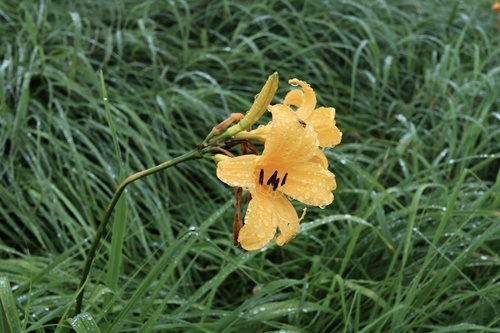
iNaturalist· cc-by-nc
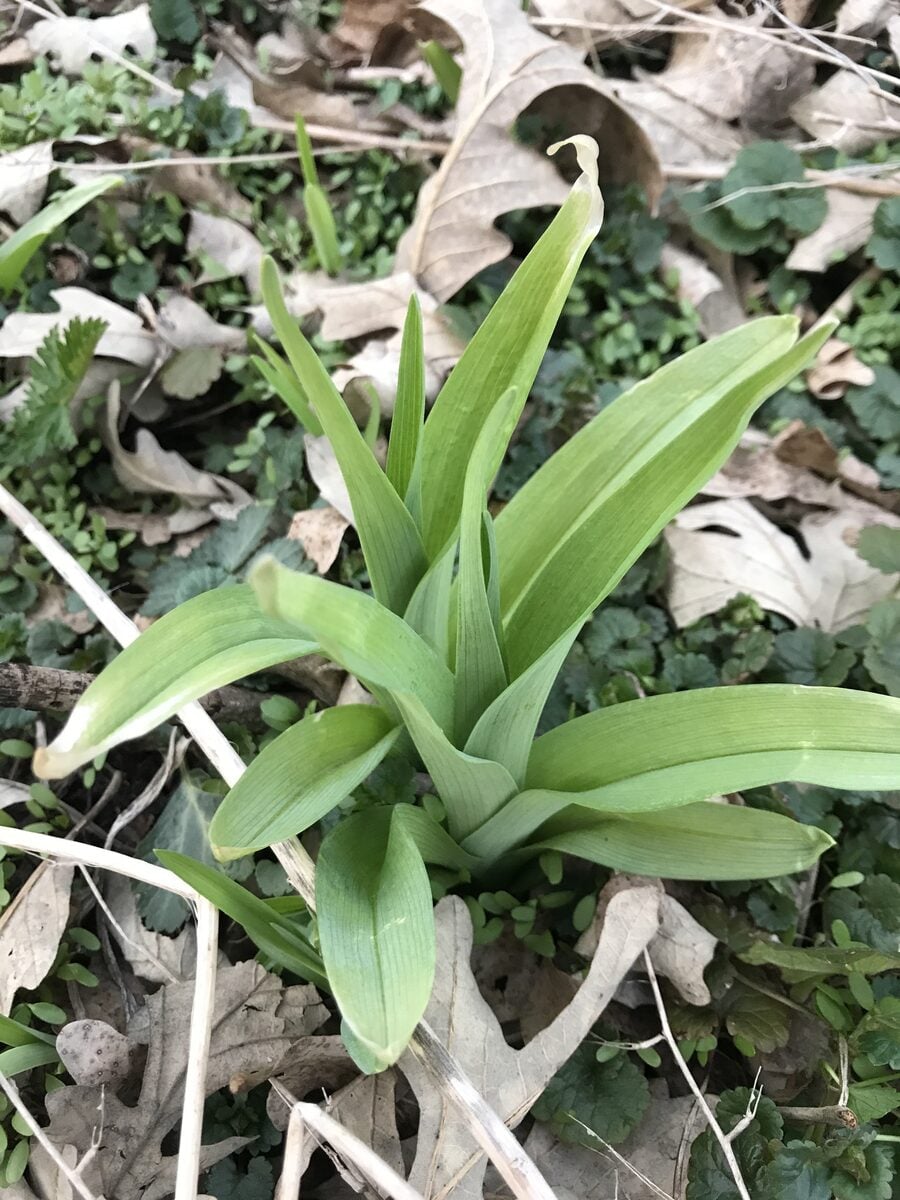
(c) Duncan McKenzie, some rights reserved (CC BY-NC), uploaded by Duncan McKenzie
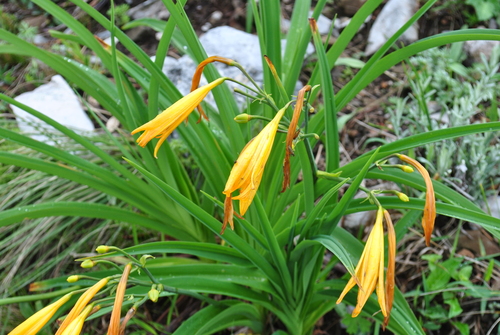
iNaturalist· cc-by-nc-nd
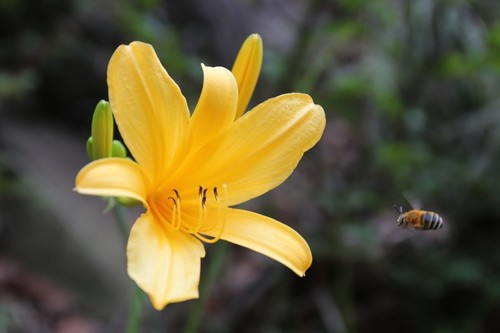
(c) Joseph Heymans, some rights reserved (CC BY-NC-ND), uploaded by Joseph Heymans
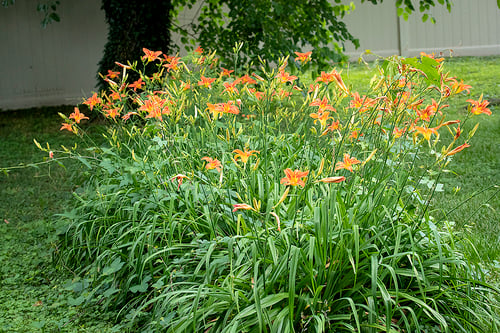
iNaturalist· cc-by-nc
(c) Troos van der Merwe, some rights reserved (CC BY-NC), uploaded by Troos van der Merwe
Description
A shrub. It grows 2 m tall. It has a ring of 50 green leaves. They are 50 cm long by 9 cm wide. They are flat on the upper surface and curve on the lower surface. There are reddish brown teeth along the edge. There are up to 6 flowering stems 60-70 cm tall. The flowers have reddish-brown buds and are greenish yellow when open.
Edible Uses
The nectar is eaten as a snack.
Traditional Uses
The nectar is eaten as a snack.
This uses section is brief — help expand it
Distribution
It is a subtropical plant. It grows on dolomite.
Where It Grows
Africa, South Africa, Southern Africa,
Notes
Also put in the family Aloaceae. Also put in the family Asphodelaceae.
Synonyms
References (4)
- Peters, C. R., O'Brien, E. M., and Drummond, R.B., 1992, Edible Wild plants of Sub-saharan Africa. Kew. p 9 (As Aloe dolomitica)
- Peters & Maguire, 1981, (As Aloe dolomitica)
- Ruiters-Welcome, A. K., 2019, Food plants of southern Africa. Ph.D. thesis. Univ. of Johannesburg p 31
- Welcome, A. K. & Van Wyk, B.-E., 2019, An inventory and analysis of the food plants of southern Africa. South African Journal of Botany 122 (2019) 136–179