Brachiaria jubata
(Fig. et De Not.) Stapf
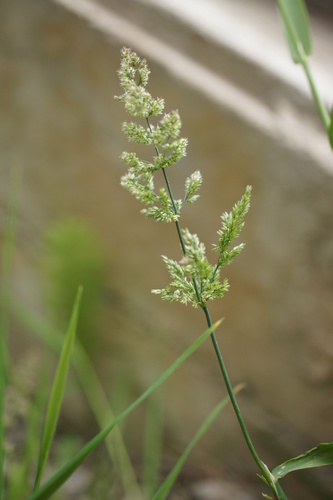
iNaturalist· cc-by-nc-sa
(c) Marco Schmidt, some rights reserved (CC BY-NC-SA)
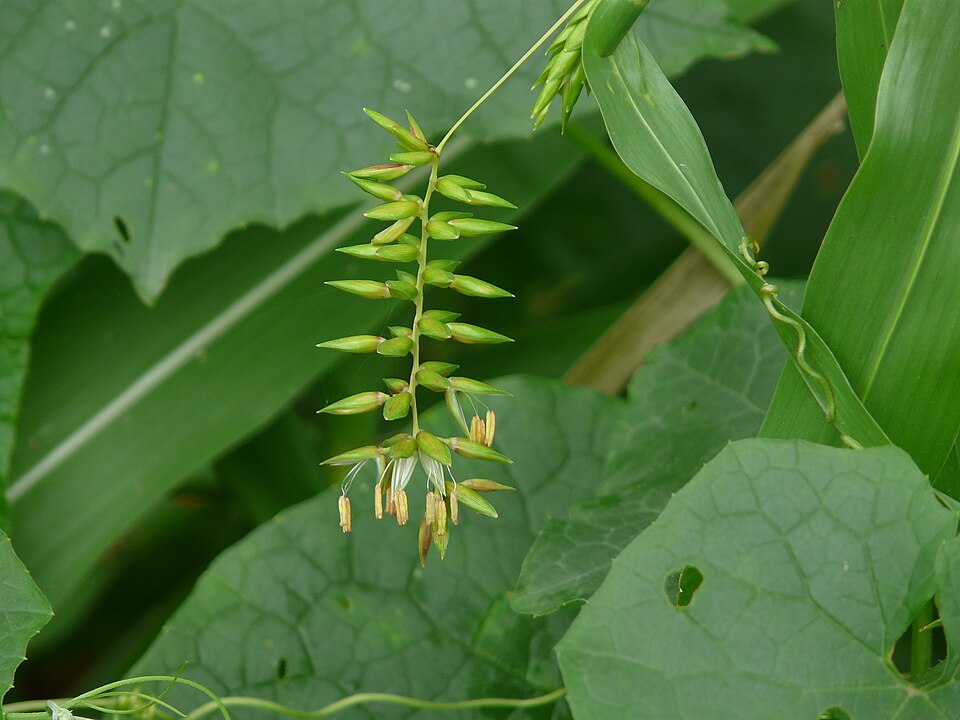
iNaturalist· cc-by-nc-sa
(c) Marco Schmidt, some rights reserved (CC BY-NC-SA)
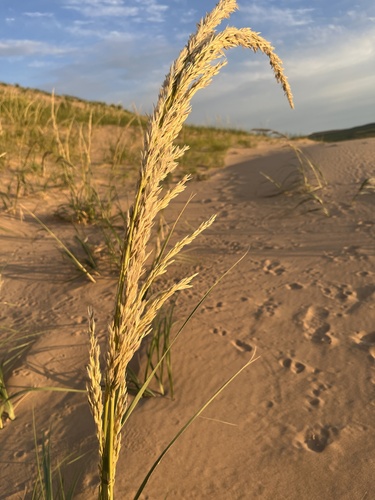
iNaturalist· cc-by-nc-sa
(c) Marco Schmidt, some rights reserved (CC BY-NC-SA)
Description
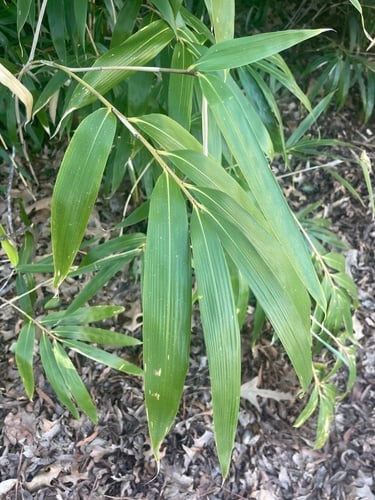
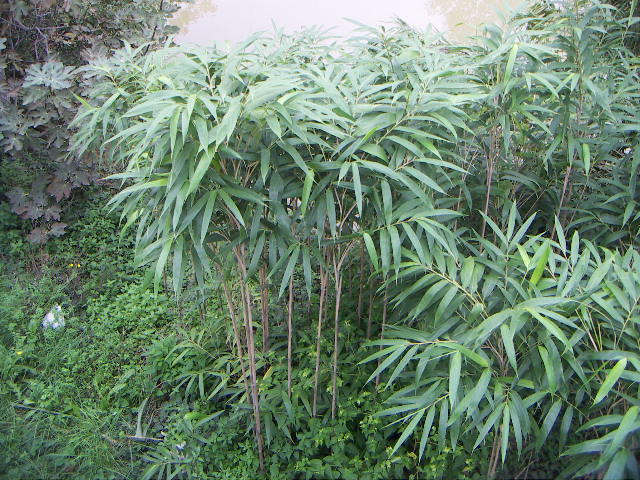
A grass that keeps growing from year to year. It forms tufts. It grows 60-120 cm high. The leaves are flat and rather broad. They are 5-30 cm long by 3-17 mm wide. The flowers occur as up to 10 on a stalk.
Edible Uses
Seeds are used as a cereal and the plant serves as a famine food.
Distribution
A tropical plant. It grows on valley soils and near swamps and damp places. It is often in areas that are seasonally flooded and grows in mountain regions in West Africa. It grows between 500-2,900 m altitude. It can grow in arid places.
Where It Grows
Africa, Angola, Burkina Faso, Central Africa, Congo, East Africa, Ghana, Guinea, Guinée, Guinea-Bissau, Kenya, Malawi, Mali, Nigeria, Senegal, Tanzania, Uganda, West Africa, Zambia, Zimbabwe,
Other Uses
The grass is fibrous-rooting and has potential for strengthening bunds, banks and for the consolidation of roadsides.
Other Information
It is a famine food.
Notes
There are about 100 Brachiaria species.
Synonyms
Also Known As
Bondim-o, Burugu, Labar, Que-el
References (7)
- Bircher, A. G. & Bircher, W. H., 2000, Encyclopedia of Fruit Trees and Edible Flowering Plants in Egypt and the Subtropics. AUC Press. p 63 (As Brachiaria fulva)
- Burkill, H. M., 1985, The useful plants of west tropical Africa, Vol. 2. Kew.
- Dalziel, J. M., 1937, The Useful plants of west tropical Africa. Crown Agents for the Colonies London.
- Jardin, C., 1970, List of Foods Used In Africa, FAO Nutrition Information Document Series No 2.p 1
- Peters, C. R., O'Brien, E. M., and Drummond, R.B., 1992, Edible Wild plants of Sub-saharan Africa. Kew. p 19
Show all 7 references Hide references
- Royal Botanic Gardens, Kew (1999). Survey of Economic Plants for Arid and Semi-Arid Lands (SEPASAL) database. Published on the Internet; http://www.rbgkew.org.uk/ceb/sepasal/internet [Accessed 8th May 2011]
- World Checklist of Useful Plant Species 2020. Royal Botanic Gardens, Kew (As Urochloa jubata)