Pouteria fossicola
Cronquist
Mamey pouteria
iNaturalist· cc-by-nc
(c) Marvin López M., some rights reserved (CC BY-NC), uploaded by Marvin López M.
iNaturalist· cc-by-nc
(c) John D Reynolds, some rights reserved (CC BY-NC)
iNaturalist· cc-by-nc
(c) John D Reynolds, some rights reserved (CC BY-NC)
Summary
Source: WikipediaPouteria fossicola is a species of plant in the family Sapotaceae. It is found in Costa Rica and Panama.
Description
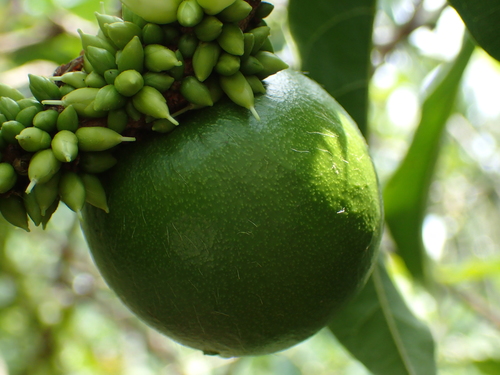
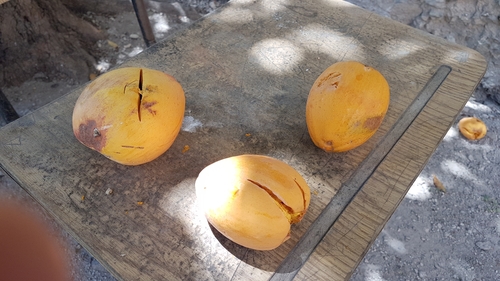
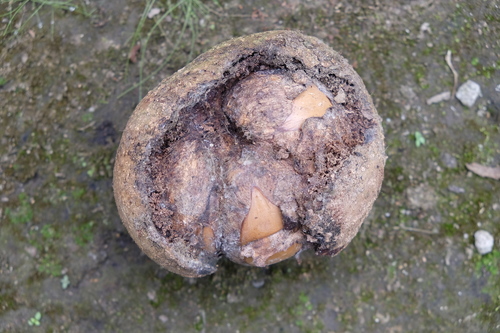
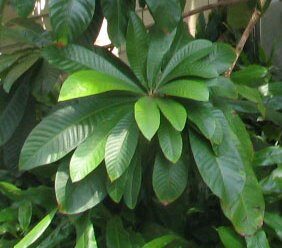
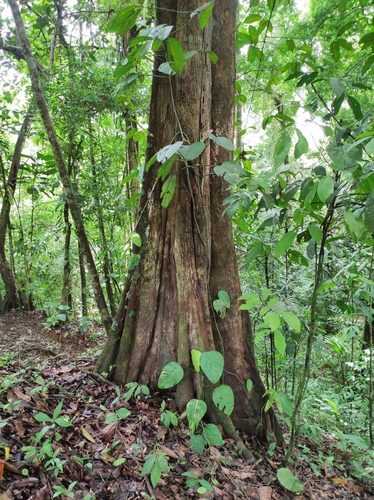
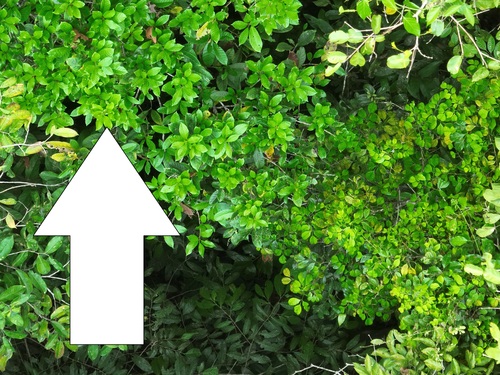
A tall tree. It grows up to 40 m tall. It can have small buttresses. The leaves are alternate and 14 cm long. They are stiff and narrow towards the base. They are bunched near the tips of the twigs. The flowers are cream coloured and 1 cm long. They occur in clusters along the twigs. The fruit is 7-12 cm long. It is green to brown with a warty texture. There are 1-2 seeds.
Edible Uses
The fruit is eaten.
Traditional Uses
Caution: The unripe fruit probably have hydrocynide.
This uses section is brief — help expand it
Known Hazards
Unripe fruit probably contain hydrocyanide.
Distribution
It is a tropical plant. In Costa Rica it grows in mountain forests.
Where It Grows
Central America, Costa Rica, Nicaragua, Panama,
Other Information
The fruit are good quality.
Synonyms
Also Known As
Kure, Mamey de injerto, Mamey verde
References (5)
- Condit, R., et al, 2011, Trees of Panama and Costa Rica. Princeton Field Guides. p 440
- Grandtner, M. M., 2008, World Dictionary of Trees. Wood and Forest Science Department. Laval University, Quebec, Qc Canada. (Internet database http://www.wdt.qc.ca)
- Kermath, B. M., et al, 2014, Food Plants in the Americas: A survey of the domesticated, cultivated and wild plants used for Human food in North, Central and South America and the Caribbean. On line draft. p 689
- Pilz, G. E., 1981, Sapotaceae of Panama. Annals of Missouri Botanical Garden. Vol. 68. No. 1 p 177
- Zuchowski W., 2007, Tropical Plants of Costa Rica. A Zona Tropical Publication, Comstock Publishing. p 302