Pouteria cuspidata subsp. robusta
(Martius & Eichler) Pennington
Robust cuspidate pouteria
iNaturalist· cc-by-nc
(c) Leonardo Álvarez-Alcázar, some rights reserved (CC BY-NC), uploaded by Leonardo Álvarez-Alcázar
iNaturalist· cc-by-nc
(c) Leonardo Álvarez-Alcázar, some rights reserved (CC BY-NC), uploaded by Leonardo Álvarez-Alcázar
Description
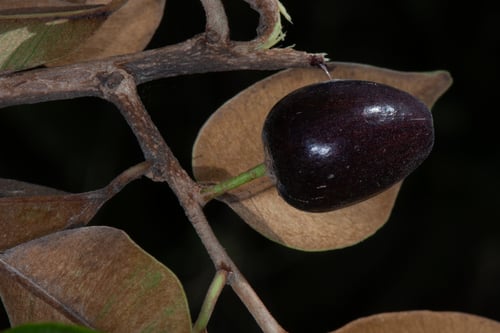
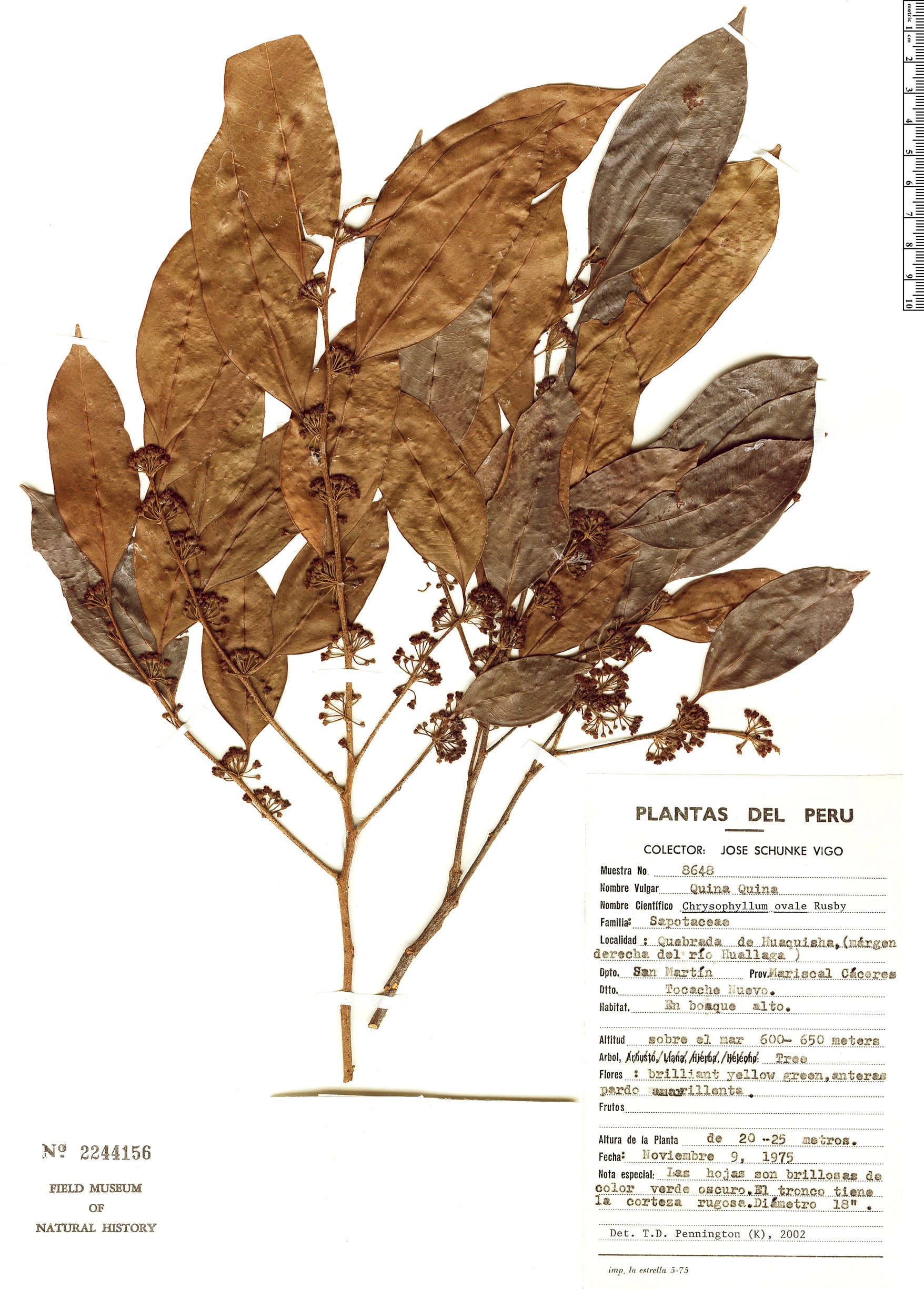
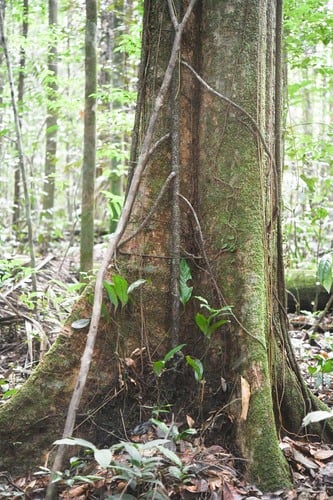
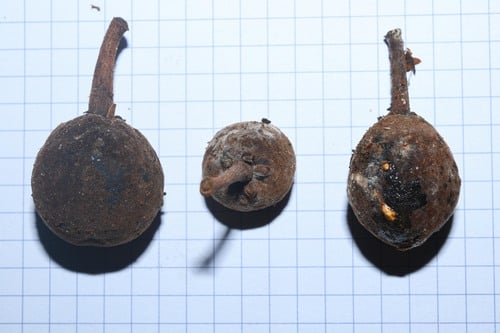
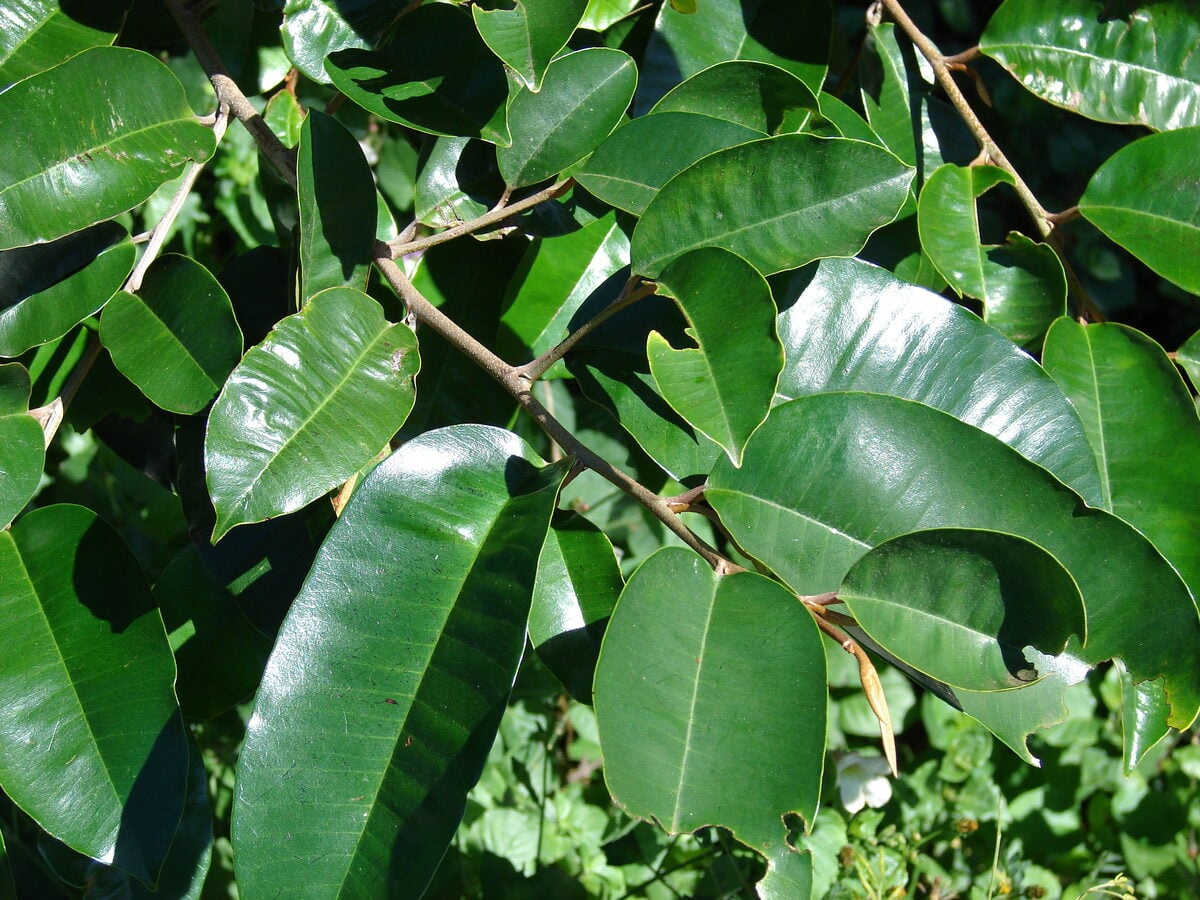
A tree. It grows 30 m tall. The trunk is 45 cm across. It has buttresses about 1 m high. The bark is pale grey and has slight cracks along it. The flowers are yellowish-white. The fruit are a yellowish-green to purple.
Edible Uses
The fruit are eaten.
Distribution
A tropical plant. It grows in rainforest and savannah forest up to 2,000 m above sea level.
Where It Grows
Amazon, Brazil, Central America, Colombia, Ecuador, French Guiana, Guianas, Panama, Peru, South America, Suriname, Venezuela,
Production
It flowers are fruits throughout the year.
Notes
There are about 150-320 Pouteria species. They grow in the tropics.
Synonyms
Also Known As
Abiurana, Balata singe rouge, Boroweballi, Cabecudo, Majarajuba, Maparajuba, Nispero, Temare, Yuquito
References (5)
- Grandtner, M. M., 2008, World Dictionary of Trees. Wood and Forest Science Department. Laval University, Quebec, Qc Canada. (Internet database http://www.wdt.qc.ca)
- Grandtner, M. M. & Chevrette, J., 2013, Dictionary of Trees, Volume 2: South America: Nomenclature, Taxonomy and Ecology. Academic Press p 524
- Kermath, B. M., et al, 2014, Food Plants in the Americas: A survey of the domesticated, cultivated and wild plants used for Human food in North, Central and South America and the Caribbean. On line draft. p 687
- Pennington, T.D., 1990, Sapotaceae in Flora Neotropica Monograph 52. New York Botanical Gardens. p 350
- Van Roosmalen, M.G.M., & Garcia, O. M., 2000, Fruits of the Amazonian Forest. Part 2: Sapotaceae. Acta Amazonica 30(2): 187-290