Tacca chantrieri
Andre
Batflower
iNaturalist· cc-by-nc
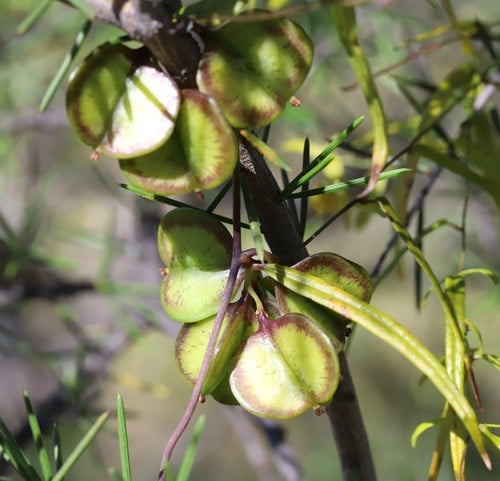
(c) big-simonchan, some rights reserved (CC BY-NC), uploaded by big-simonchan
iNaturalist· cc-by-nc-sa
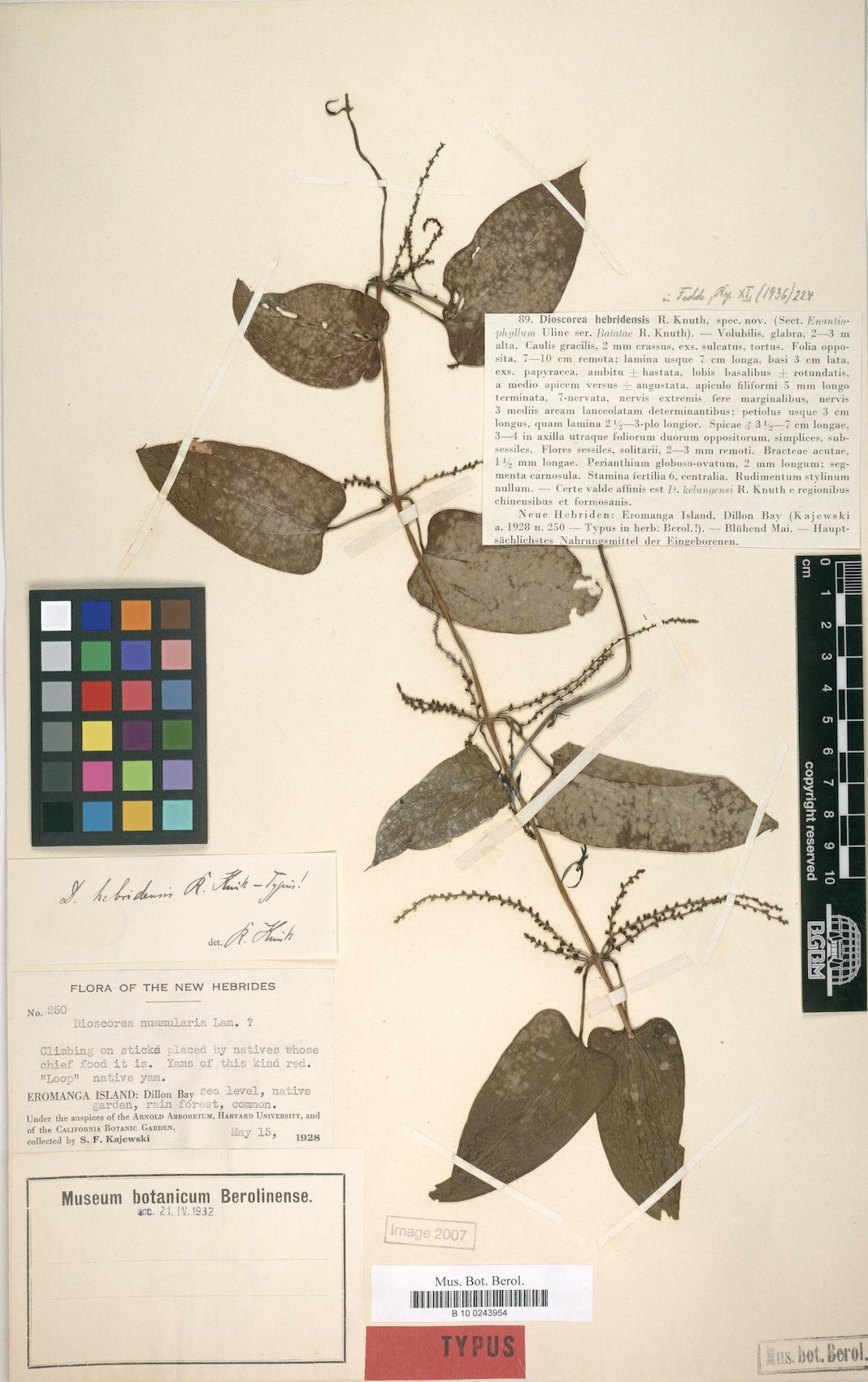
(c) 106611639464075912591, some rights reserved (CC BY-NC-SA), uploaded by 106611639464075912591
iNaturalist· cc-by-nc
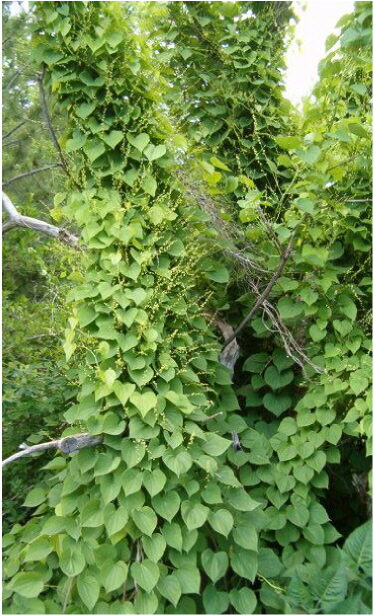
(c) kpho, some rights reserved (CC BY-NC), uploaded by kpho
Summary
Source: WikipediaTacca chantrieri is a species of flowering plant in the yam family Dioscoreaceae. It was first described in 1901 by Édouard André. T. chantrieri is native to southeastern Asia. It is commonly known as the black bat flower due to its shape and coloring. The bat flower has unique pollination method in that it is mostly autonomous self pollinating. T. chantrieri prefers environments similar to its native region with tropical, moist conditions. The bat flower has been commonly used in traditional Chinese medicine. Its purported uses are wide in range from common ailments to more complex conditions such as cancer.
Description
A herb. It keeps growing from year to year. It grows 60 cm high. The rhizome or underground stem is cylinder shaped. It is 8-15 cm long. There are 4-14 leaves. The leaves are 10-35 cm long. The leaf blade is entire and oval. The flowering stalk is 45-80 cm long. There are 4 bracts in 2 pairs at right angles. The flowers are purple and 1-3 cm long. The fruit are shiny and purple-black. The seeds are kidney shaped. They have deep furrows.
Edible Uses
The young leaves, flower shoots, flowers, and tubers are eaten, traditionally prepared in curries.
Traditional Uses
The young leaves and flower shoots are eaten in curries.
This uses section is brief — help expand it
Medicinal Uses
T. chantrieri has many medicinal properties that have been used in Chinese medicine over history. These qualities lie in T. chantrieri's rhizomes or root stalks. Rhizomes in T. chantrieri contain a wide range of medicinal compounds such as saponins and diarylheptanoids. These medicinal extracts commonly treat ailments such as: high blood pressure, gastric ulcers, burns, hepatitis, and enteritis. These complex compounds are also used for the basis of many common pharmaceuticals. Taccalonolides E and A are microtubule stabilizers that are also derived from root extracts of T. chantrieri. These agents have anticancer properties due to its cytotoxic activity.
Distribution
It is a tropical plant. It grows on the forest floor. It grows well in a shady spot with plenty of moisture and a humus-rich soil. It grows in valley forests and along rivers between 200-1,300 m above sea level in southern China. It needs a hardiness zone 10-12. In Yunnan. In Townsville Queens BG.
Where It Grows
Asia, Australia, Bangladesh, Cambodia, China, Hawaii, India, Indochina, Indonesia, Laos, Malaysia, Myanmar, Pacific, SE Asia, Sri Lanka, Thailand, Tibet, USA, Vietnam,
Cultivation
Plants can be grown from seed or by division of the tuber.
Notes
Also put in the family Taccaceae. Presumably in a hot house in Slovenia.
Nutrition
| Part | Moisture | kJ | kcal | Protein | Vit A | Vit C | Iron | Zinc |
|---|---|---|---|---|---|---|---|---|
| Tubers | 75.3 | — | — | 2.6 | — | 0.4 | — | — |
Synonyms
Also Known As
Leik-pya-gamon, Mihuowa, Queluo-palai
References (7)
- Anderson, E. F., 1993, Plants and people of the Golden Triangle. Dioscorides Press. p 222
- http://www.botanic-gardens-ljubljana.com/en/plants
- IUCN (2013). Ecological Survey of the Mekong River between Louangphabang and Vientiane Cities, Lao PDR, 2011-2012. Vientiane, Lao PDR: IUCN. 241 pp.
- Rev. Hort. 73:541. 1901
- Staples, G.W. and Herbst, D.R., 2005, A tropical Garden Flora. Bishop Museum Press, Honolulu, Hawaii. p 755 (Drawing)
Show all 7 references Hide references
- Suwardi, A. B., 2018, Nutritional Evaluation of Some Wild Edible Tuberous Plants as Alternative Foods. Innovare Journal of Food Science, Vol. 6, Issue 2. (Also as Tacca minor)
- Xu, You-Kai, et al, 2004, Wild Vegetable Resources and Market Survey in Xishuangbanna, Southwest China. Economic Botany. 58(4): 647-667.