Eugenia speciosa
Cambess.
Iaranjinha-do-mato, Araca
iNaturalist· cc-by-nc
(c) Flávio Mendes, some rights reserved (CC BY-NC), uploaded by Flávio Mendes
iNaturalist· cc-by
(c) Fabrício Mil Homens Riella, some rights reserved (CC BY)
Description
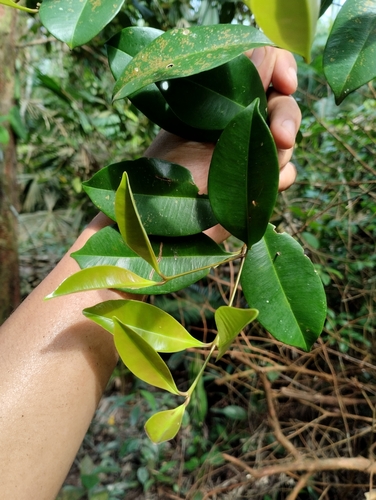
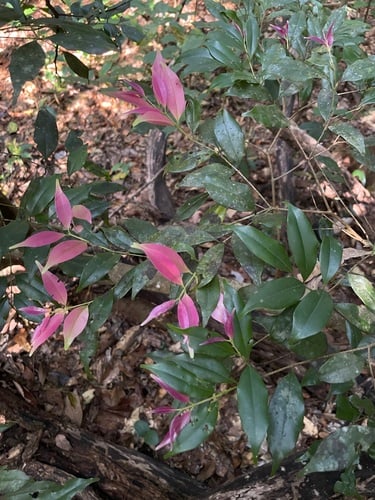
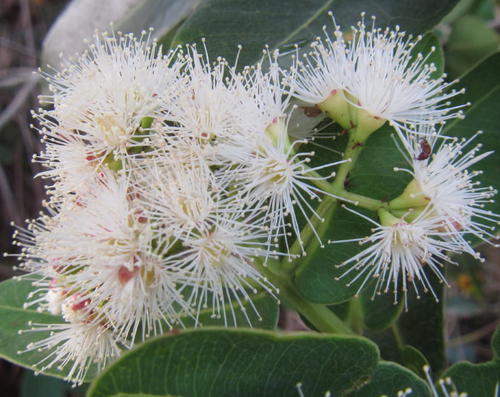
A small shrub. It is less than 1 m tall on sandy soils. It can be 10-20 m tall in forest. The leaves are papery. The leaves can be 3-5 cm long in the tree forms. The flowers occur singly and in the axils of leaves. The flower stalk is 15-20 mm long. The fruit are round and smooth. They are orange and 2-3 cm across. There are 1-3 seeds and the flesh is sweet.
Edible Uses
The fruit is eaten fresh and used to make jellies.
Traditional Uses
Fruit are eaten fresh. They are also used for jellies.
This uses section is brief — help expand it
Distribution
It is a subtropical plant. It grows naturally in coastal river banks and altitude forest in Brazil. In Argentina it grows from sea level to 1,000 m above sea level.
Where It Grows
Argentina, Bolivia, Brazil*, Paraguay, South America*, Uruguay,
Cultivation
Plants are grown from seed.
Other Information
It is occasionally cultivated as a food crop.
Synonyms
Also Known As
Cerejeira-amarela, Guabiroga branca
References (6)
- Brack, P., et al, 2020, Frutas nativas do Rio Grande do Sul, Brasil: riqueza e potencial alimentício. Native fruits of Rio Grande do Sul, Brazil: richness and potential as food. Rodriguésia 71: e03102018.
- Kinupp, V. F., 2007, Plantas alimenticias nao-convencionais da regiao metropolitana de Porto Alegre, RS, Brazil p 86
- Lorenzi, H., Bacher, L., Lacerda, M. & Sartori, S., 2006, Brazilian Fruits & Cultivated Exotics. Sao Paulo, Instituto Plantarum de Estuados da Flora Ltda. p 213
- NYBG herbarium "edible"
- A. F. C. P. de Saint-Hilaire, Fl. Bras. merid. 2:351. 1832
Show all 6 references Hide references
- www.colecionandofrutas.org