Acer grandidentatum
Nutt.
Canadian maple, Bigtooth maple
iNaturalist· cc-by-nc-sa
(c) Shawn Econo, some rights reserved (CC BY-NC-SA)
iNaturalist· cc-by-nc
(c) Curren Frasch, some rights reserved (CC BY-NC), uploaded by Curren Frasch
iNaturalist· cc-by-nc
(c) Alex Binck, some rights reserved (CC BY-NC), uploaded by Alex Binck
Summary
Source: WikipediaAcer grandidentatum, commonly called bigtooth maple or western sugar maple, is a species of maple native to interior western North America. It occurs in scattered populations from western Montana to central Texas in the United States and south to Coahuila in northern Mexico.
Description
A shrub or small tree. It grows 5 m tall. There are prickles along the stem. The leaves are twice divided and there are 8-18 pairs of pinnae. There are up to 50 pairs of pinnules on each pinnae. The flowers are yellow. They are in large clusters at the ends of branches. The pods are flattened.
Edible Uses
The sap can be used as syrup.
Traditional Uses
The sap can be used as syrup.
This uses section is brief — help expand it
Distribution
It is a temperate plant.
Where It Grows
Canada, Mexico, North America, USA,
Notes
There are about 120-150 Acer species.
Also Known As
Big-tooth maple, Canyon maple
References (3)
- https://www.fireflyforest.com/flowers/category/edible-plants/ Edible Plants – Southeastern Arizona Wildflowers and Plants
- Lyle, S., 2006, Discovering fruit and nuts. Land Links. p 47
- J. J. Torrey & A. Gray, Fl. N. Amer. 1:247. 1838
More from Sapindaceae
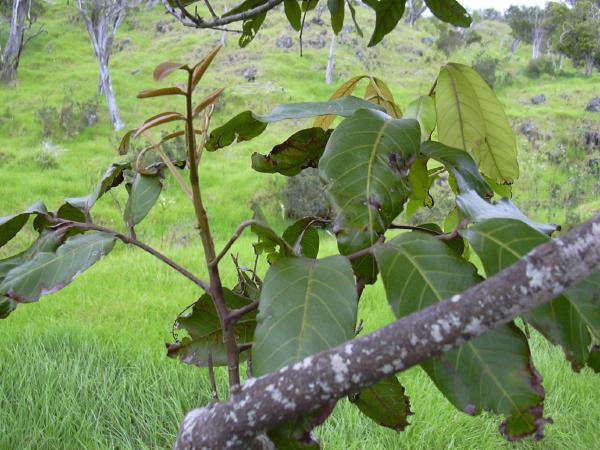
Alectryon macrococcum
Mahoe
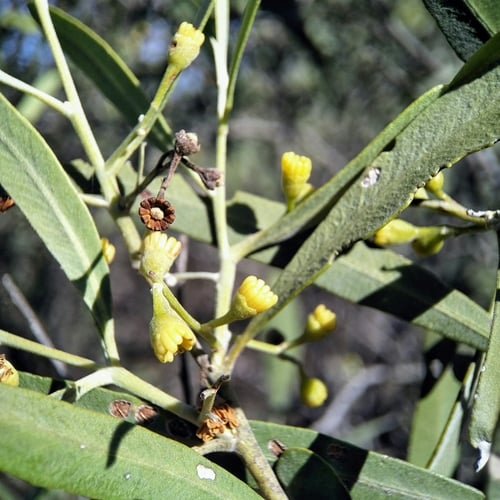
Alectryon oleifolius
Bullocky bush, Boonaree, Rosewood, Western Rosewood, Boonery
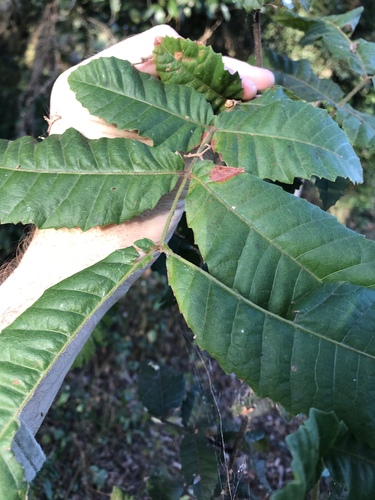
Alectryon tomentosus
Woolly rambutan, Red Jacket, Hairy Bird's eye
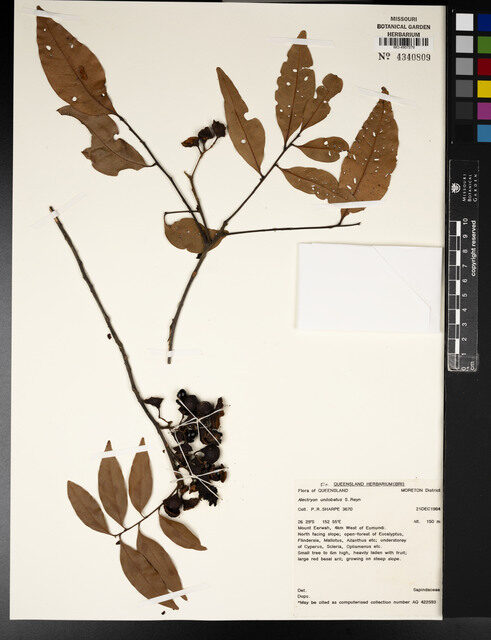
Alectryon unilobatus
Allophylus abyssinicus
Forest velvet false-currant
Allophylus africanus
African allophylus, African false-raisin