Penicillium camemberti
Thom
Camembert cheese mould, White mould
wikimedia· cc0
Wikimedia Commons - John W. (John William) Harshberger, J.W.
iNaturalist· cc-by
(c) Paulius Rupšas, some rights reserved (CC BY), uploaded by Paulius Rupšas
wikimedia· cc-by-sa
Wikimedia Commons (via Wikimedia Commons)
Description
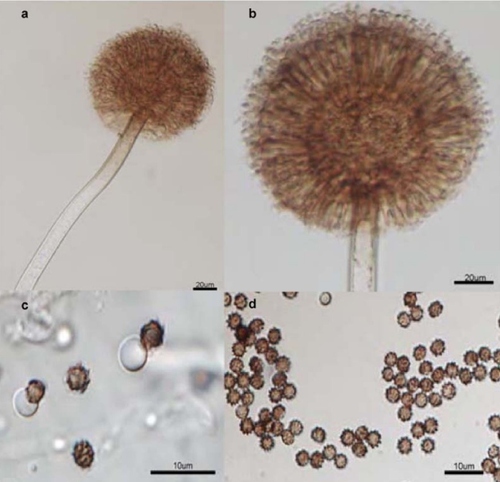
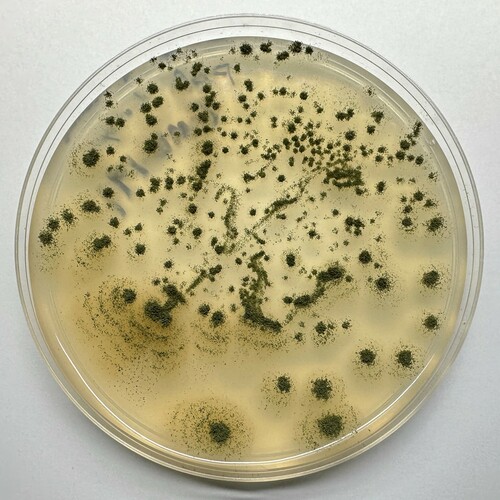
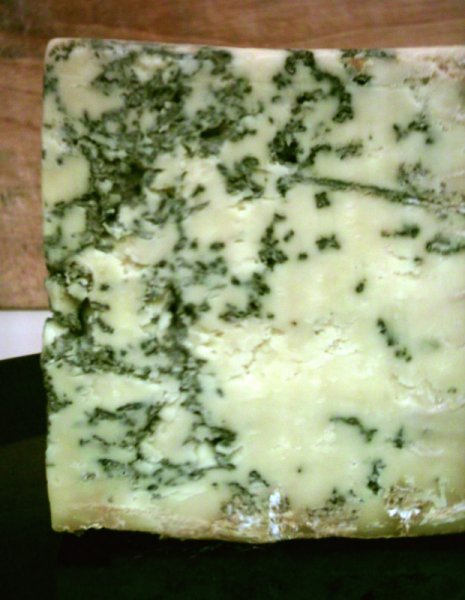
A fungus in the family Aspergillaceae used in the production of soft-ripened cheeses including Camembert, Brie, Langres, Coulommiers, and Cambozola, where it forms a distinctive white crust.
Edible Uses
The mould is involved in the fermentation of Camembert and other soft cheeses, contributing to their soft, buttery texture and distinctive flavors.
Traditional Uses
The mould is involved in the fermentation of Camembert and other cheeses.
This uses section is brief — help expand it
Known Hazards
As a fungus, P. camemberti can produce toxins, in this case, cyclopiazonic acid. The amount of the mycotoxin produced depends on the strain of P. camemberti, as well as the temperature at which the culture is grown. Additionally, the toxin is typically more concentrated on the crust of the fungus rather than the inner part. In regard to safety, generally, consumers would only receive lower than a 4 μg dose of cyclopiazonic acid. Still, using weaker strains of the fungus is advised, since the secretion of the toxin appears to be natural and necessary, but unhealthy for cheese consumers.
Where It Grows
It is cultured in several countries.
Synonyms
References (2)
- Facciola, S., 1998, Cornucopia 2: a Source Book of Edible Plants. Kampong Publications, p 250
- Uphof,