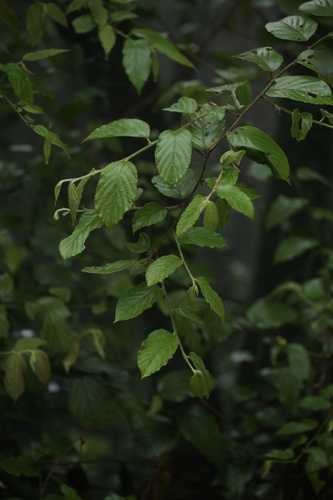
Cowania mexicana
D. Don
Cliffrose, Quinine bush
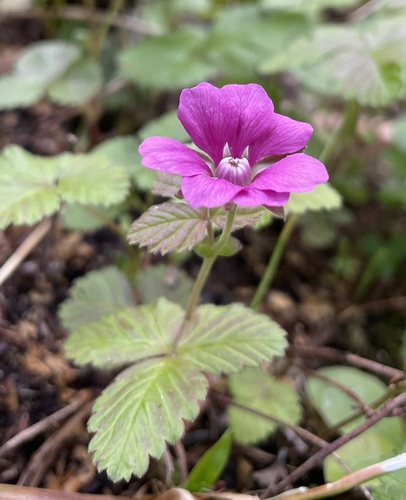
iNaturalist· cc-by-nc
(c) Luis Angel, some rights reserved (CC BY-NC)
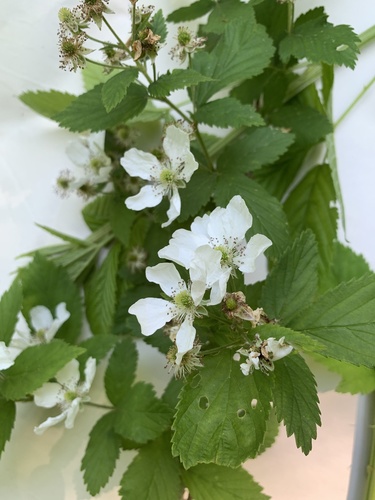
iNaturalist· cc-by-nc
(c) Lane, some rights reserved (CC BY-NC)
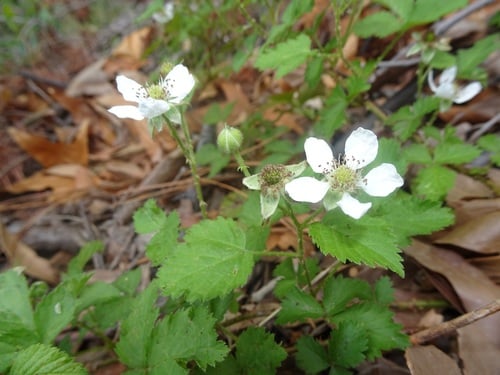
iNaturalist· cc-by-nc
(c) Lane, some rights reserved (CC BY-NC)
Summary
Source: WikipediaEvergreen shrub reaching 2 m tall with year-round foliage. Flowers appear in April with seeds ripening by October. Hardy to UK zone 9. Thrives in light sandy or medium loamy, well-drained soils across mildly acid to mildly alkaline pH ranges. Requires full sun and tolerates both dry and moist conditions.
Description
Evergreen shrub reaching 2 m tall with year-round foliage. Flowers appear in April with seeds ripening by October. Hardy to UK zone 9. Thrives in light sandy or medium loamy, well-drained soils across mildly acid to mildly alkaline pH ranges. Requires full sun and tolerates both dry and moist conditions.
Edible Uses
None known.
Traditional Uses
The leaves are steeped in hot water for a few minutes to make tea.
This uses section is brief — help expand it
Medicinal Uses
A decoction of the green branches, combined with sagebrush (Artemisia spp) and juniper (Juniperus spp), has been used as an expectorant and laxative treatment for colds. A decoction of the leaves and flowering stems has been used to treat venereal disease and pains over the kidneys. The leaves have been chewed to treat arthritis, and made into a tea used as an antiseptic wash for bathing and cleansing the skin, including treatment of smallpox and measles.
Distribution
It is a temperate plant.
Where It Grows
North America, USA,
Cultivation
Requires a very sunny position and a calcareous soil. This species is also likely to require a very well-drained light or medium soil. The cliffrose is not very hardy in Britain, it is unlikely to succeed outdoors in any but the mildest areas of the country and will probably require the protection of a sunny wall even there. The flowers are resinous and strongly fragrant.
Propagation
No specific information is available for this species. Sow seed in spring in a greenhouse. When seedlings are large enough to handle, prick them out into individual pots and grow them on under glass for at least their first winter. Plant out into permanent positions in late spring or early summer, after the last expected frosts.
Other Uses
The fibrous bark has been used to make sandals, rope, sleeping mats, and clothing. Bark crushed and rubbed until soft has been used as insulating lining in shoes to keep feet warm, as an absorbent nappy for babies, and as a soft surface for infants to lie on in cradles. The fine, soft bark also serves as tinder when starting fires with a fire drill.
Synonyms
References (2)
- Facciola, S., 1998, Cornucopia 2: a Source Book of Edible Plants. Kampong Publications, p 196
- Trans. Linn. Soc. London 14:574, t. 22. 1825