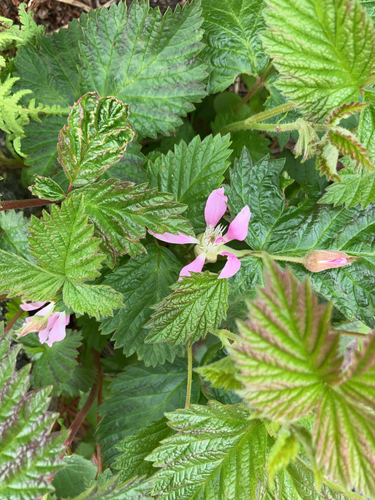
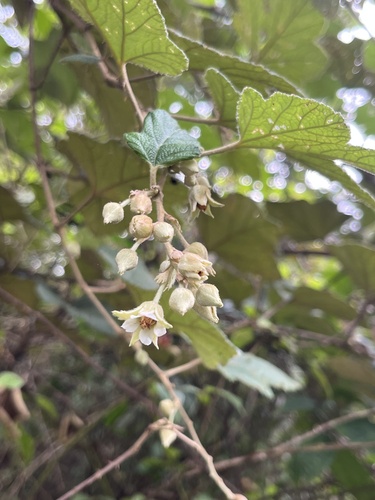
Malacomeles denticulata
(Kunth) G. N. Jones
Membrillo, Mexican serviceberry
iNaturalist· cc-by-nc
(c) Gabriel Ortiz, some rights reserved (CC BY-NC), uploaded by Gabriel Ortiz
iNaturalist· cc-by-nc
(c) Carlos G Velazco-Macias, some rights reserved (CC BY-NC), uploaded by Carlos G Velazco-Macias
iNaturalist· cc-by-nc
(c) RAFAEL JUAREZ LARA, some rights reserved (CC BY-NC), uploaded by RAFAEL JUAREZ LARA
Description
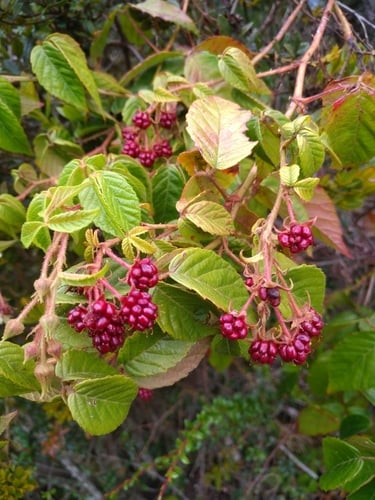
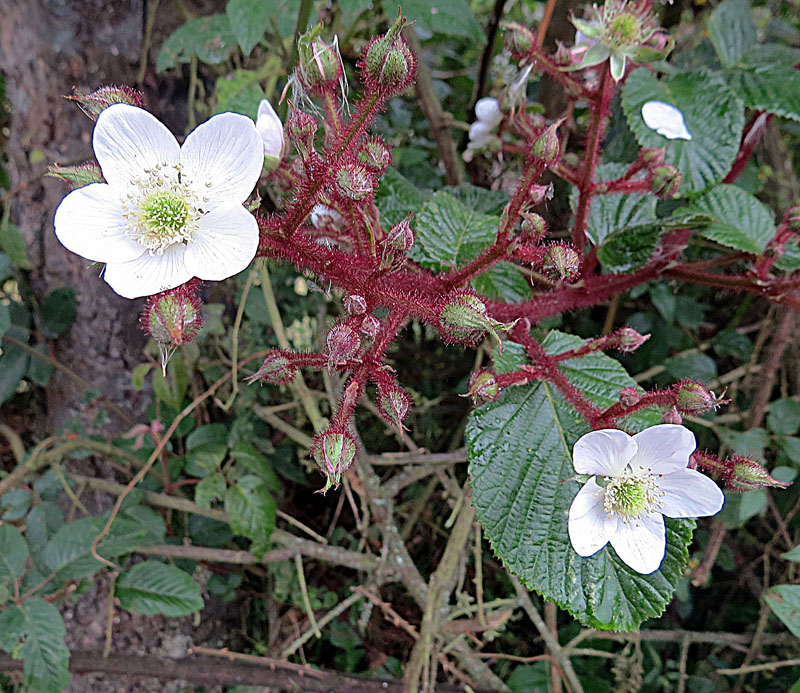
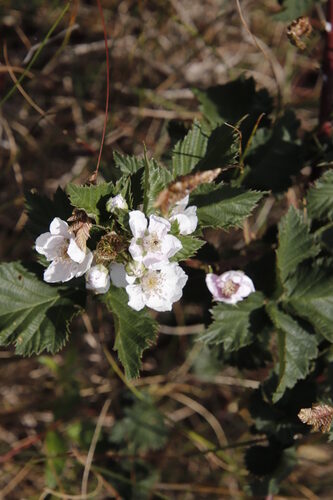
A shrub. It grows 1 m tall. The flowers are white. The fruit are pink or red. They are round. They are 8 mm long by 6.5 mm wide. The flesh is white. There are one or two seeds.
Edible Uses
The ripe fruits are eaten fresh and made into jelly. Fruits are sold at local markets.
Traditional Uses
The ripe fruit are eaten fresh and also made into jelly.
This uses section is brief — help expand it
Distribution
It is a tropical plant. It grows between 1,500-1,750 m above sea level. It can tolerate frost and drought and also poor drainage.
Where It Grows
Central America, Costa Rica, Guatemala, Mexico, North America, USA,
Production
Shrubs can produce fruit abundantly after 5 years.
Other Information
Fruit are sold at local markets.
Notes
There are 5 Malacomeles species.
Nutrition
| Part | Moisture | kJ | kcal | Protein | Vit A | Vit C | Iron | Zinc |
|---|---|---|---|---|---|---|---|---|
| Fruit | — | — | 11.2 | — | — | 15.5 | 14.1 | — |
Synonyms
Also Known As
Tinaguis, Tlaxistle, Yagalan
References (6)
- Cazares-Franco, M. C., et al, 2014, Physicochemical, nutritional and health-related component characterization of the underutilized Mexican serviceberry fruit [Malacomeles denticulata (Kunth) G. N. Jones]. Fruits, Vol. 69, p. 47-60
- Cruz, I. M., et al, 2015, Edible fruits and seeds in the State of Mexico. Revista Mexicana de Ciencias Agricolas. Vol. 6. Num. 2 pp 331-346 (As Amelanchier denticulata)
- Facciola, S., 1998, Cornucopia 2: a Source Book of Edible Plants. Kampong Publications, p 193 (As Amelanchier denticulata)
- Kermath, B. M., et al, 2014, Food Plants in the Americas: A survey of the domesticated, cultivated and wild plants used for Human food in North, Central and South America and the Caribbean. On line draft. p 509
- Segura, S., et al, 2018, The edible fruit species in Mexico. Genet Resour Crop Evol (2018) 65:1767–1793 (Also as Amelanchier denticulata)
Show all 6 references Hide references
- World Checklist of Useful Plant Species 2020. Royal Botanic Gardens, Kew