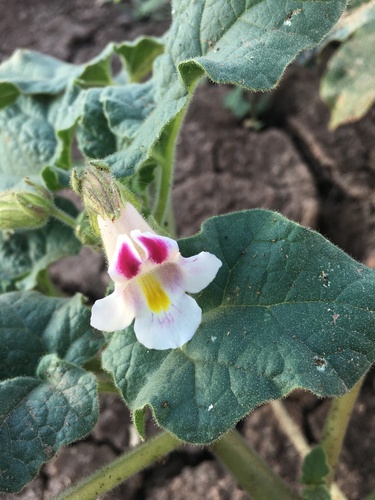
Ibicella lutea
(Lindl.) Van Eselt.
Yellow unicorn-plant
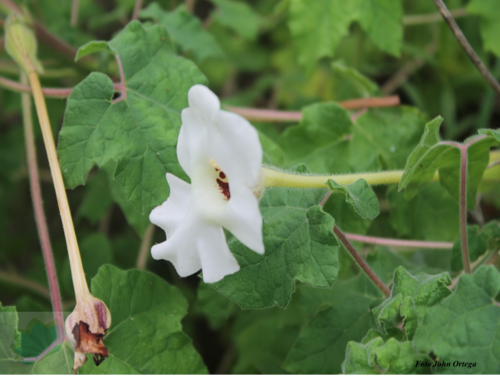
iNaturalist· cc-by-nc
(c) 2008 Zoya Akulova, some rights reserved (CC BY-NC)
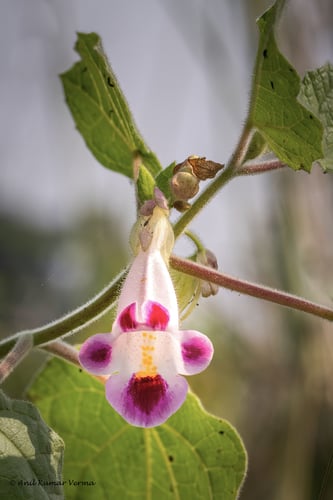
iNaturalist· cc-by-nc
(c) Rick Joosten, some rights reserved (CC BY-NC)
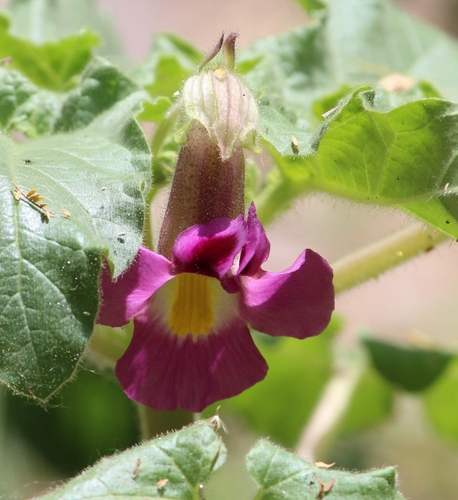
iNaturalist· cc-by-nc
(c) Rick Joosten, some rights reserved (CC BY-NC)
Summary
Source: WikipediaIbicella lutea (; syn. Martynia lutea, Proboscidea lutea) is a species of flowering plant known by the common name yellow unicorn-plant. It grows in dry conditions, such as those in desert regions. It is native to South America, but has become established as a non-native species in various semi-arid regions around the world, including Southern Africa and the Central Valley of California. The plant is aromatic, with an unpleasant scent. It produces short, glandular hairs over most of its aerial surfaces and is coated in sticky resin. Insects often become stuck in the slimy exudate and die, but the plant does not have digestive enzymes and does not absorb nutrients from the insects. The plant can be considered protocarnivorous, but it is not carnivorous.
Description
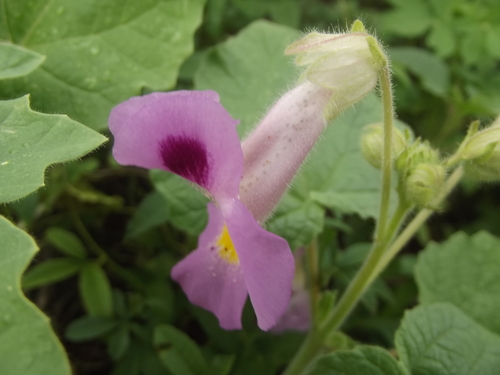
A herb. It grows each year from seed. It grows 30-70 cm tall. It has short hairs and a sticky resin. The leaves are opposite and simple. They are round to kidney shaped and have teeth along the edge. It has yellow flowers. The seed pods have double claws.
Edible Uses
The young fruit are pickled or made into sweetmeats.
Traditional Uses
The young fruit are pickled or made into sweetmeats.
This uses section is brief — help expand it
Medicinal Uses
The seeds are emollient, resolvent. They are used as a poultice.
Known Hazards
The seeds have sharp, curved horns, which can attach themselves to animals feet and therefore be transported to another site. This can cause serious damage to the feet of some animals.
Distribution
A tropical plant. It grows in desert and arid conditions. In Argentina it grows below 500 m above sea level.
Where It Grows
Argentina, Australia, Brazil*, North America, Paraguay, South Africa, South America*, Uruguay, USA,
Cultivation
Plants can be grown from seeds.
Propagation
Seed - pre-soak for 24 hours in warm water then sow in situ in a warm, sunny position.
Notes
There are 3 Ibicella species.
Synonyms
Also Known As
Astas del diablo, Chifre-do-diabo, Cuarentena, Cuernos del diablo, Devil's claw, Martynia, Proboscis flower, Ram's horn, Unas del diablo
References (11)
- Brack, P., et al, 2020, Frutas nativas do Rio Grande do Sul, Brasil: riqueza e potencial alimentício. Native fruits of Rio Grande do Sul, Brazil: richness and potential as food. Rodriguésia 71: e03102018.
- Facciola, S., 1998, Cornucopia 2: a Source Book of Edible Plants. Kampong Publications, p 149
- Hedrick, U.P., 1919, (Ed.), Sturtevant's edible plants of the world. p 404 (As Martynia lutea)
- Heywood, V.H., Brummitt, R.K., Culham, A., and Seberg, O. 2007, Flowering Plant Families of the World. Royal Botanical Gardens, Kew. p 202 (Genus)
- Kermath, B. M., et al, 2014, Food Plants in the Americas: A survey of the domesticated, cultivated and wild plants used for Human food in North, Central and South America and the Caribbean. On line draft. p 431
Show all 11 references Hide references
- Kinupp, V. F., 2007, Plantas alimenticias nao-convencionais da regiao metropolitana de Porto Alegre, RS, Brazil p 82
- Kinupp, V. F. & Bergman, I., 2008, Protein and minerals of native species, potential vegetables and fruits. Cienc.Tecnol. Aliment. Vol. 28 No. 4 Campinas Oct/Dec.
- Malezas Comestibles del Cono Sur, INTA, 2009, Buernos Aires
- New York Agric. Exp. Sta. Techn. Bull. 149:34. 1929
- Palmieri, V. S., et al, 2018, Aproximaciones etnobotánicas de las especies y prácticas de frutos nativos comestibles de la Actualidad. Aportes para la interpretación del pasado prehispánico de cerro colorado (Córdoba, Argentina). Bol. Soc. Argent. Bot. 53 (1): 115-133
- Plant Ecology - Reviews of Research. 1955, Arid Zone Research VI. UNESCO p 97