Origanum x hybridum
Mill.
Showy oregano
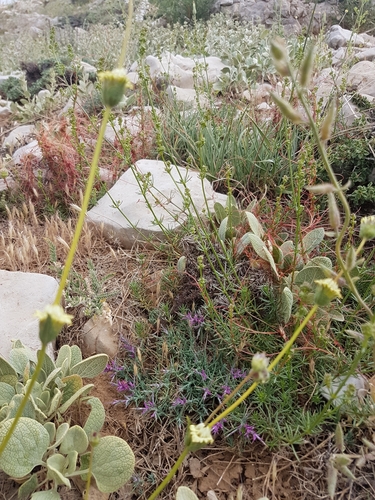
iNaturalist· cc-by-nc
(c) Thanasis Papanikolaou, some rights reserved (CC BY-NC)
iNaturalist· cc-by-nc
(c) Thanasis Papanikolaou, some rights reserved (CC BY-NC)
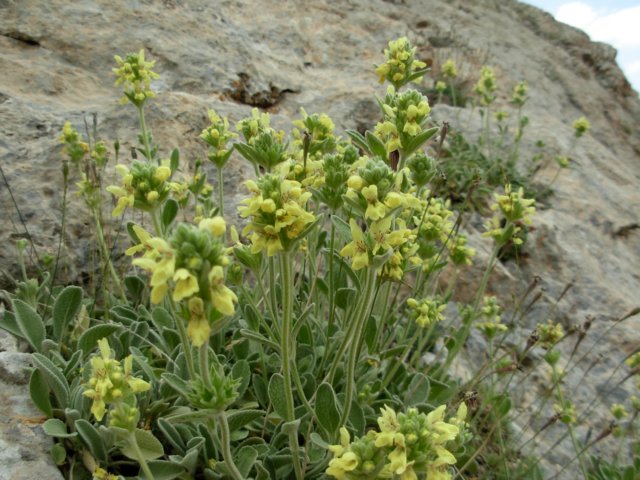
iNaturalist· cc-by-nc
(c) Mehmet Çelik, some rights reserved (CC BY-NC)
Summary
Source: WikipediaHerbaceous perennial reaching 0.3m, hardy to UK zone 8. Flowers August to October. Hermaphroditic flowers are pollinated by bees and lepidopterans. Grows in light sandy, medium loamy, and heavy clay soils, preferring well-drained soil and tolerating poor nutrition. Suitable for mildly acid to basic pH soils. Can grow in semi-shade or full sun, tolerating both dry and moist conditions.
Description
Herbaceous perennial reaching 0.3m, hardy to UK zone 8. Flowers August to October. Hermaphroditic flowers are pollinated by bees and lepidopterans. Grows in light sandy, medium loamy, and heavy clay soils, preferring well-drained soil and tolerating poor nutrition. Suitable for mildly acid to basic pH soils. Can grow in semi-shade or full sun, tolerating both dry and moist conditions.
Edible Uses
The aromatic foliage is used as a culinary condiment.
Traditional Uses
The leaves are used to flavour pizza and other dishes.
This uses section is brief — help expand it
Medicinal Uses
None known.
Distribution
It is a Mediterranean plant.
Where It Grows
Europe, Italy, Mediterranean,
Cultivation
Requires a rather dry, warm, well-drained soil in full sun, but is not fussy as to soil type, thriving on chalk. Prefers slightly alkaline conditions. Established plants are drought tolerant. This species is not very hardy outdoors in the colder areas of Britain, it tolerates temperatures down to between -5 and -10°c. A hybrid species, O. dictamnus x O. sipyleum. Members of this genus are rarely if ever troubled by browsing deer.
Propagation
Sow seed in a greenhouse in early spring at 10–13°C, barely covering it. Germination typically occurs within two weeks. Prick out seedlings into individual pots once large enough to handle, and plant out into permanent positions in early summer. Note that as a hybrid species, this plant will not breed true from seed. Divide in March or October. Larger divisions can go directly into permanent positions. Smaller divisions are better potted up and grown on in light shade in a cold frame until well established before planting out in late spring or early summer. Take basal cuttings of young, non-flowering shoots in June. Harvest shoots with plenty of underground stem when they are about 8–10cm above ground. Pot into individual pots and keep in light shade in a cold frame or greenhouse until rooting well, then plant out during summer.
Other Uses
None known.
Synonyms
Also Known As
Showy marjoram or ornamental oregano.
References (1)
- Facciola, S., 1998, Cornucopia 2: a Source Book of Edible Plants. Kampong Publications, p 131 (As Origanum pulchellum)