Clinopodium brownei
(Sw.) Kuntze
St John's mint
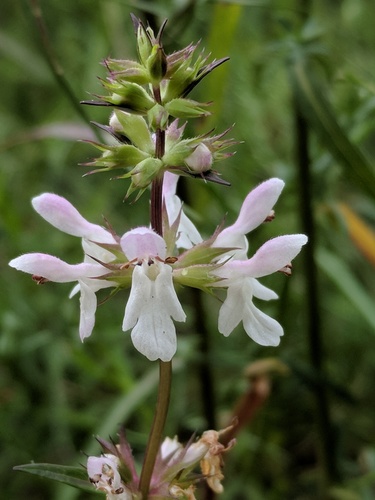
iNaturalist· cc-by
(c) Alex Abair, some rights reserved (CC BY), uploaded by Alex Abair
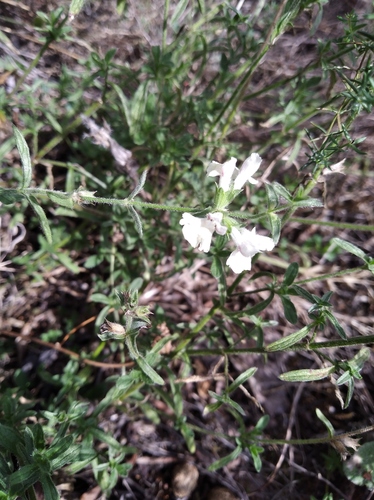
iNaturalist· cc-by-nc
(c) jdallman, some rights reserved (CC BY-NC)
Summary
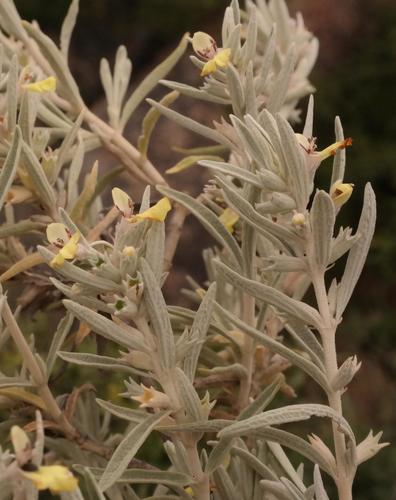
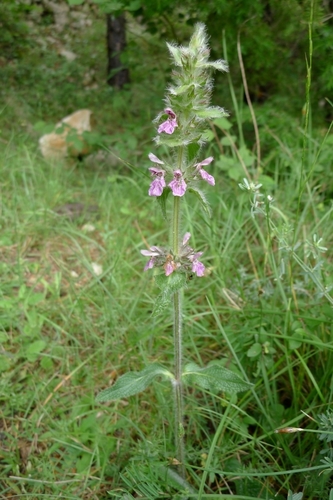
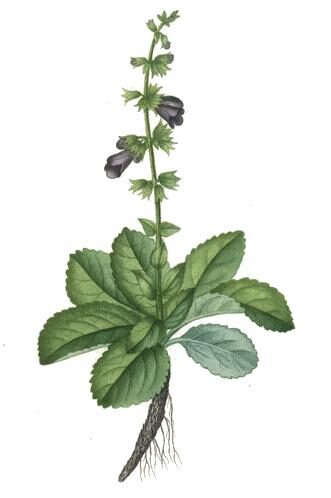
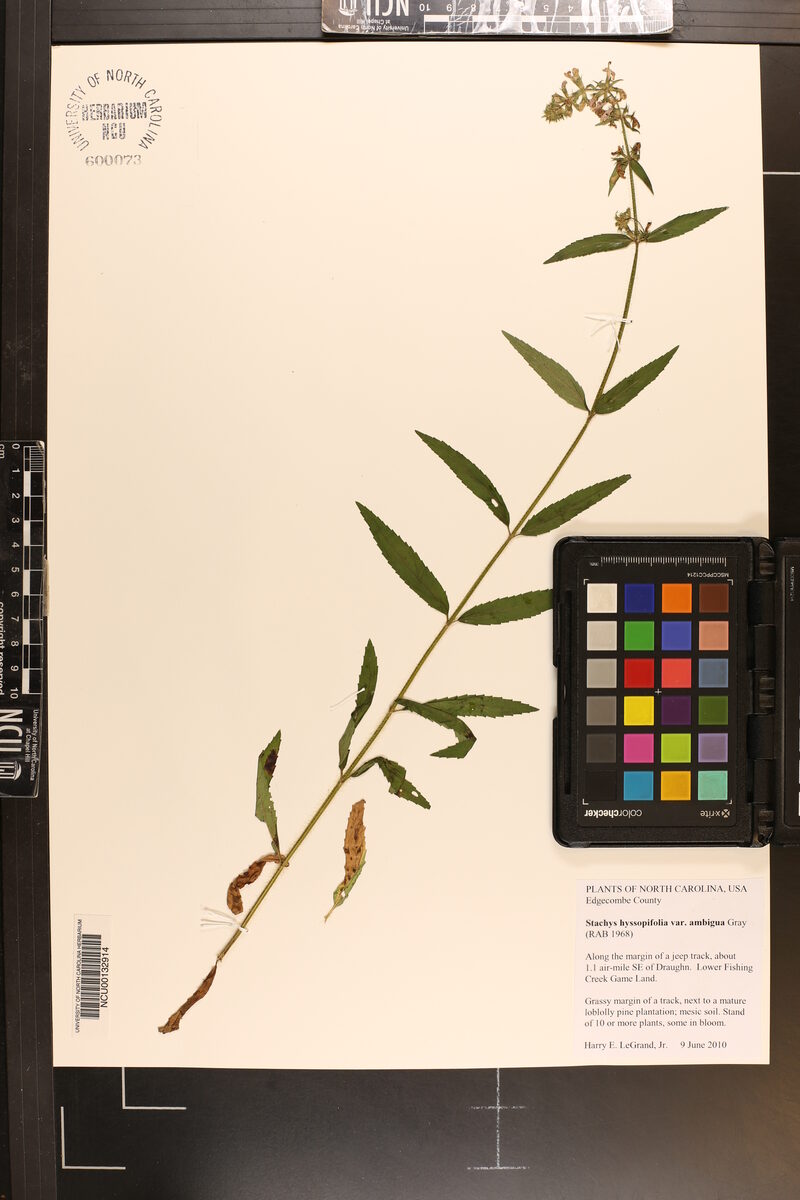
Source: WikipediaClinopodium brownei, or Browne's savory, is a perennial with sprawling square stems and opposite leaves. This herb is heavily pubescent on the stem and inner and outer calyx. The corolla is bilabiate. The lips are thin and delicate and may contain hairs. The corolla color is pinkish-white to lavender and sometimes white. There are four stamens which are didynamous and epipetalis. The ovary is 4 lobed with a gynobasic style with acute apices. Under the ovary appears to be a nectiferous gland. This herb is found during late winter and early spring in marshy environments along the coastal plain of the southeastern United States, specifically from Texas through South Carolina, as well as in Mexico, Central America, South America and the West Indies.
Description
A herb in the mint family (Lamiaceae) with temperate distribution, found in Argentina below 500 m altitude.
This description is brief — help expand it
Edible Uses
The leaves are used for flavouring dishes and brewed as tea.
Traditional Uses
The leaves are used for flavouring and for tea.
This uses section is brief — help expand it
Medicinal Uses
Traditional uses mention flavouring and tea preparation.
Distribution
It is a temperate plant. In Argentina it grows below 500 m above sea level.
Where It Grows
Argentina, Brazil, Dominican Republic, North America, Paraguay, Uruguay, USA, West Indies,
Other Uses
The plant has a strong aroma of pennyroyal (Hedeoma pulegioides). The essential oil of that plant is often employed in the United States, where it is applied to the skin as a preventive of mosquito bites. It is to be presumed that this species has the same properties.
Synonyms
References (1)
- Facciola, S., 1998, Cornucopia 2: a Source Book of Edible Plants. Kampong Publications, p 130 (As Micromeria brownei)