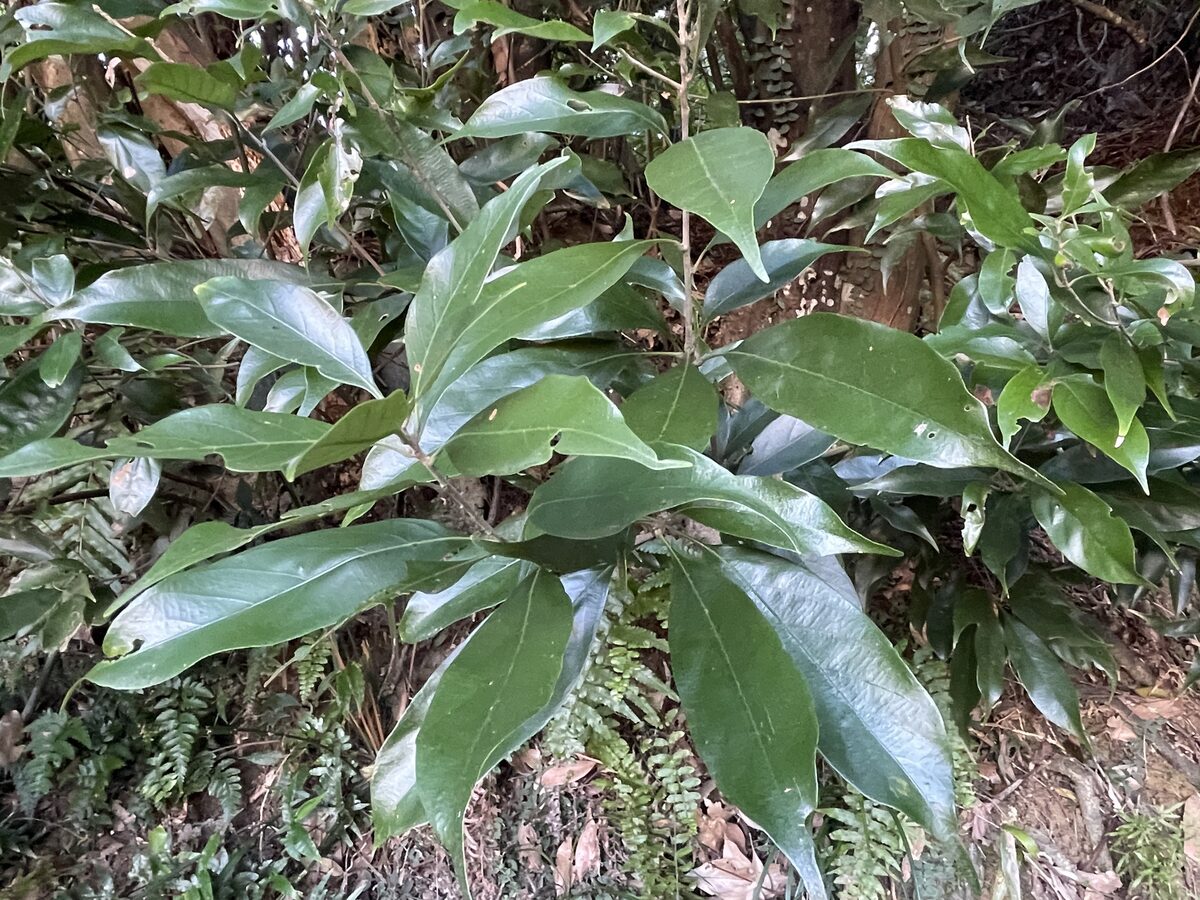
Castanea x sp 2
American hybrid chestnut
iNaturalist· cc-by-nc
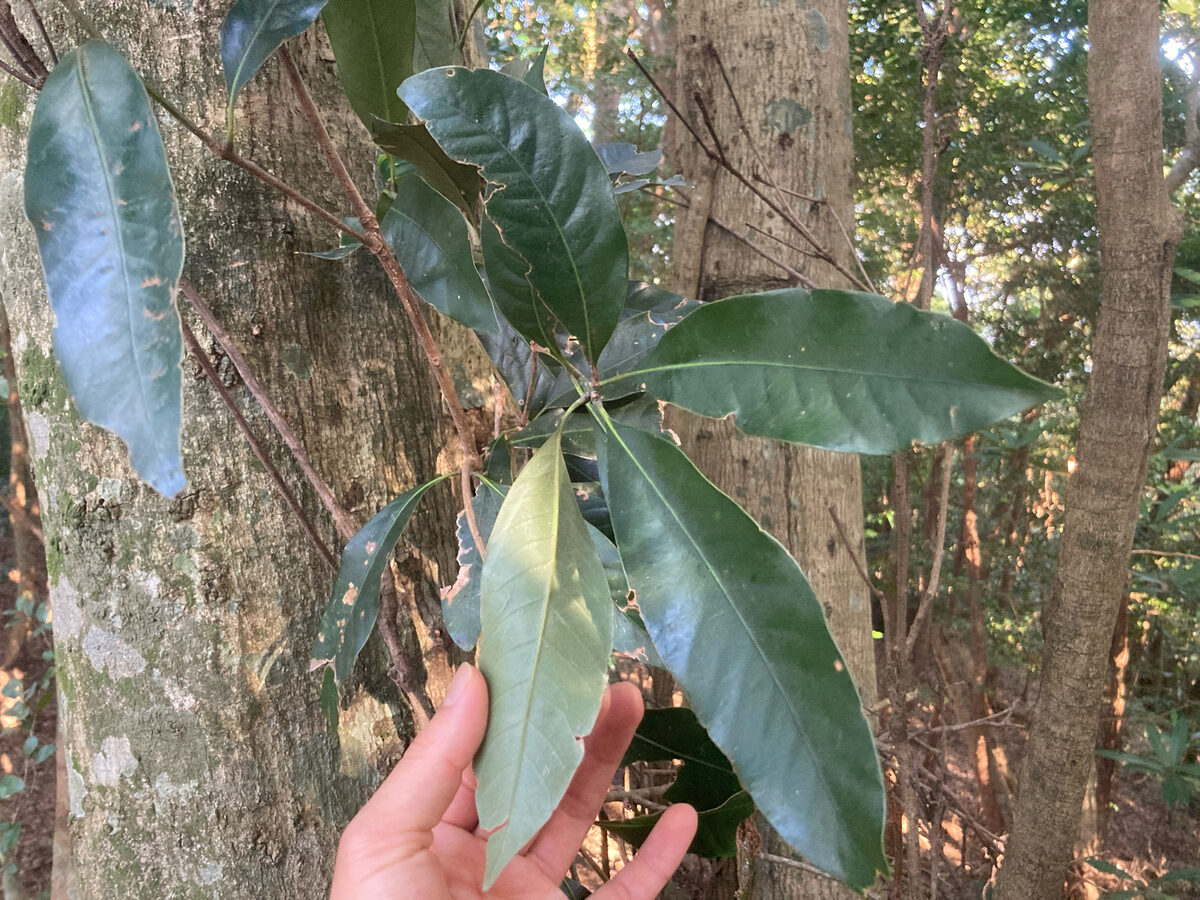
(c) Jack Morgan, some rights reserved (CC BY-NC)
iNaturalist· cc-by-nc
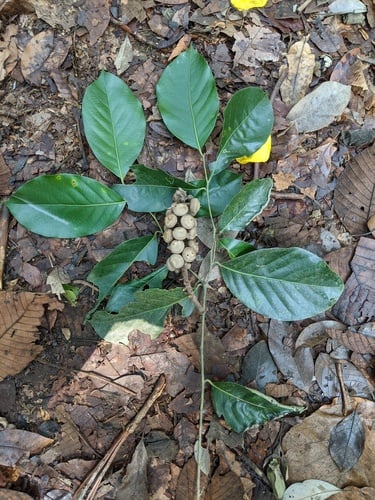
(c) Graeme Baxter, some rights reserved (CC BY-NC)
iNaturalist· cc-by-nc
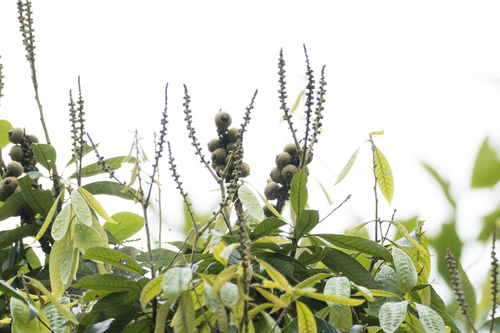
(c) Graeme Baxter, some rights reserved (CC BY-NC)
Description
A temperate tree in the Fagaceae family that produces edible nuts, representing a hybrid American chestnut.
This description is brief — help expand it
Edible Uses
The nuts are edible and can be eaten.
Distribution
It is a temperate plant.
Where It Grows
North America, USA,
Notes
All Castanea bear edible nuts. There are about 12 Castanea species.
Dangerous Lookalikes
This plant can be confused with the following toxic species. Always verify identification carefully before consuming any wild plant.
Horse Chestnut (Conker)
Aesculus hippocastanum
Solipsist
American hybrid chestnut
Castanea x sp 2
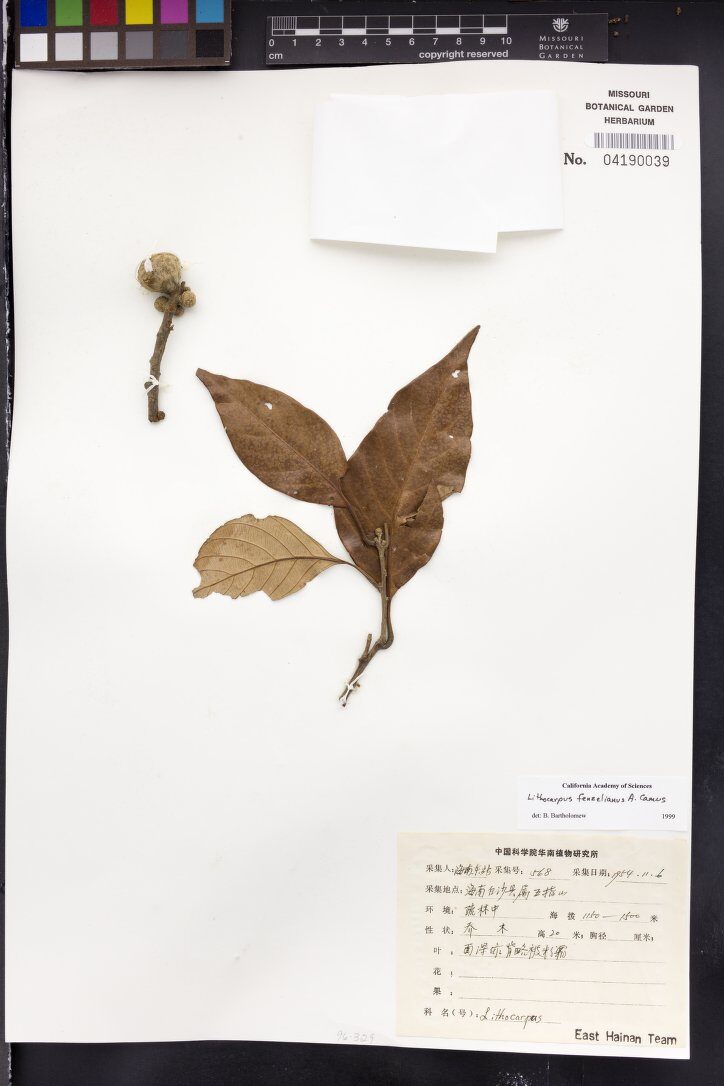
(c) Jack Morgan, some rights reserved (CC BY-NC)
Horse Chestnut (Conker): Round smooth nuts (conkers), bumpy green husk (not very spiny), palmate compound leaves (like a hand).
American hybrid chestnut: Nuts with pointed tassel, very spiny bur casing, simple toothed leaves.
Synonyms
References (1)
- Facciola, S., 1998, Cornucopia 2: a Source Book of Edible Plants. Kampong Publications, p 115