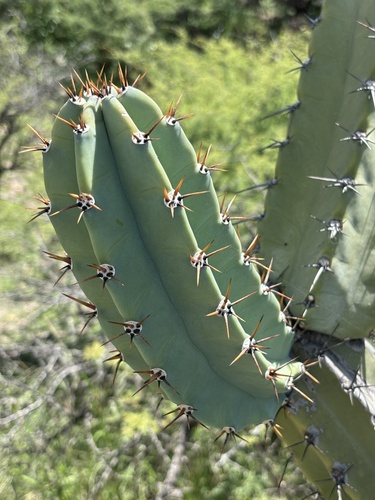
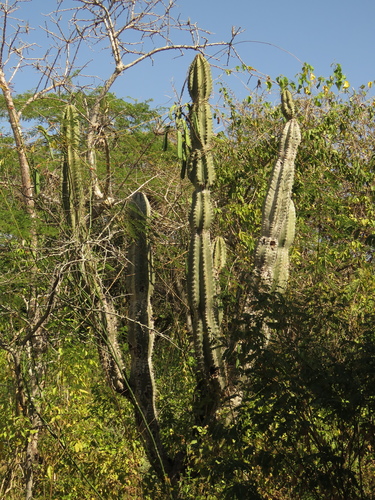
Opuntia leucotricha
DC.
Arborescent prickly pear
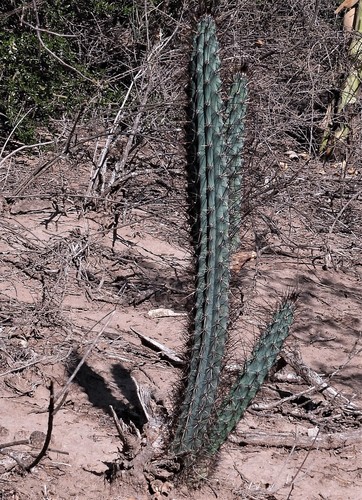
iNaturalist· cc-by-nc
(c) Pedro Nájera Quezada, some rights reserved (CC BY-NC), uploaded by Pedro Nájera Quezada
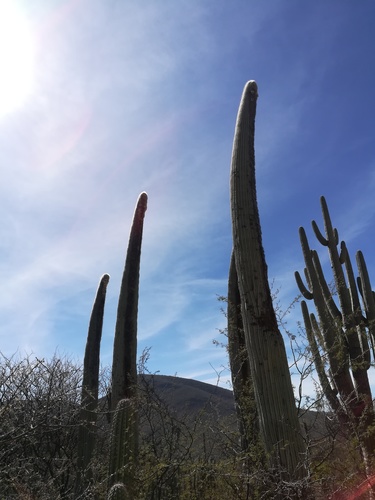
iNaturalist· cc-by-nc
(c) Pedro Nájera Quezada, some rights reserved (CC BY-NC), uploaded by Pedro Nájera Quezada
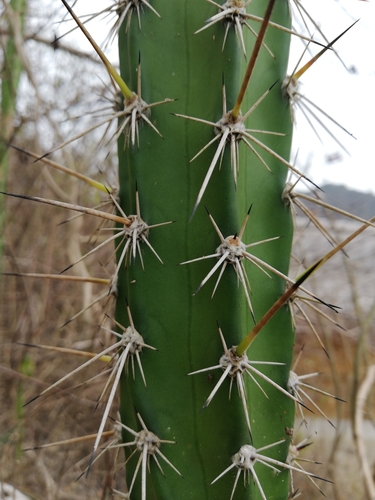
iNaturalist· cc-by-nc-sa
(c) María Eugenia Mendiola González, some rights reserved (CC BY-NC-SA), uploaded by María Eugenia Mendiola González
Summary
Source: WikipediaOpuntia leucotricha is a species of cactus with the common names: arborescent pricklypear, Aaron's beard cactus, and semaphore cactus; and (in Spanish) duraznillo blanco and nopal blanco.
Description
A tree like cactus. It grows 5 m tall. The fruit can be white or red. They have a smell.
This description is brief — help expand it
Edible Uses
The fruits are eaten raw or fermented into a drink.
Traditional Uses
The fruit are eaten raw or made into a fermented drink.
This uses section is brief — help expand it
Distribution
It is a tropical plant.
Where It Grows
America, Mexico, North America,
Also Known As
Coyonostle, Duraznillo, Nopal duraznillo
References (10)
- Chavez-Santoscoy, R. A. et al, 2009, Phenolic Composition, Antioxidant Capacity and InVitro Cancer Cell Cytotoxicity of Nine Prickly Pear (Opuntia spp.) Juices. Plant Foods fod Nutrition 64:146-152
- Facciola, S., 1998, Cornucopia 2: a Source Book of Edible Plants. Kampong Publications, p 65
- Gallegos-Vazquez, C., et al, 2012, Morphological diversity of xoconostles (Opuntia spp.) or acidic cactus pears: A Mexican contribution to functional foods. Fruits, Vol. 67, p. 109-220
- Kermath, B. M., et al, 2014, Food Plants in the Americas: A survey of the domesticated, cultivated and wild plants used for Human food in North, Central and South America and the Caribbean. On line draft. p 587
- Mapes, C. & Basurto, F., 2016, Biodiversity and Edible Plants of Mexico. Chapter 5 in R. Lira, et al. (eds.), Ethnobotany of Mexico, Ethnobiology, Springer. p 96
Show all 10 references Hide references
- Martin, F. W., et al, 1987, Perennial Edible Fruits of the Tropics. USDA Handbook 642 p 88
- Mem. Mus. Hist. Nat. 17:119. 1828
- Piedra-Malagón, E. M. et al, 2022, Edible native plants of the Gulf of Mexico Province. Biodiversity Data Journal 10: e80565 p 16
- Segura, S. et al, 2018, The edible fruit species in Mexico. Genet Resour Crop Evol (2018) 65:1767–1793
- World Checklist of Useful Plant Species 2020. Royal Botanic Gardens, Kew