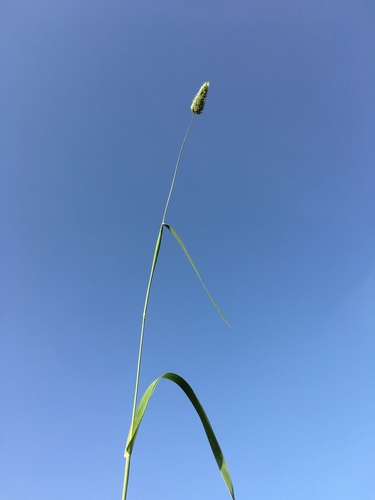
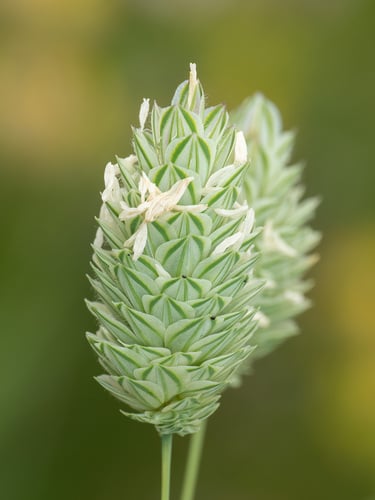
Phyllostachys purpurata
McClure
Water bamboo
gbif· cc-by
Royal Botanic Gardens, Kew
gbif· cc-by
Royal Botanic Gardens, Kew
gbif· cc-by
Royal Botanic Gardens, Kew
Summary
Phyllostachys purpurata is an evergreen bamboo that remains leafy year-round. It grows as a hermaphroditic plant pollinated by wind and adapts to light sandy, medium loamy, and heavy clay soils across mildly acidic to basic pH ranges. This species thrives in full shade through open conditions and prefers consistently moist soil.
Description
Phyllostachys purpurata is an evergreen bamboo that remains leafy year-round. It grows as a hermaphroditic plant pollinated by wind and adapts to light sandy, medium loamy, and heavy clay soils across mildly acidic to basic pH ranges. This species thrives in full shade through open conditions and prefers consistently moist soil.
Edible Uses
The young shoots are slightly bitter when raw and are usually cooked in one change of water before eating. They are harvested in spring when they reach about 8cm above the ground, cut approximately 5cm below soil level.
Traditional Uses
The young shoots are cooked. The cooking water is changed to remove bitterness.
This uses section is brief — help expand it
Medicinal Uses
None known.
Distribution
It is a tropical plant.
Where It Grows
Asia, China,
Cultivation
Requires a rich damp soil in a sheltered position and plenty of moisture in the growing season. Dislikes prolonged exposure to hard frosts. This species is notably resistant to honey fungus. Plants only flower at intervals of many years. When they do come into flower most of the plants energies are directed into producing seed and consequently the plant is severely weakened. They sometimes die after flowering, but if left alone they will usually recover though they will look very poorly for a few years. If fed with artificial NPK fertilizers at this time the plants are more likely to die. This is a good companion species to grow in a woodland because the plants are shallow rooted and do not compete with deep rooted trees.
Propagation
Surface sow seed as soon as it is ripe in a greenhouse at around 20°C, keeping the compost consistently moist. Germination usually occurs fairly quickly with good-quality seed, though it can take 3–6 months. Grow seedlings on in a lightly shaded greenhouse until large enough to plant out. Seed is rarely available. Divide in spring as new growth begins; divisions from open ground transplant poorly and will need careful treatment under cover in pots until at least late spring. Divide during wet weather, as small divisions establish better than large clumps. Alternatively, large divisions can be taken from established clumps and moved directly to their permanent positions, provided they are misted or drenched frequently until established. Basal cane cuttings can also be taken in spring.
Other Uses
The canes are stiff and hard, and are used for a variety of handles and legs, including those of umbrellas and chairs.
References (3)
- Facciola, S., 1998, Cornucopia 2: a Source Book of Edible Plants. Kampong Publications, p 47
- Lingnan Univ. Sci. Bull. 9:43. 1940
- Young, 1954,