Tarchonanthus camphoratus
L.
Camphor bush, Hottentot tobacco
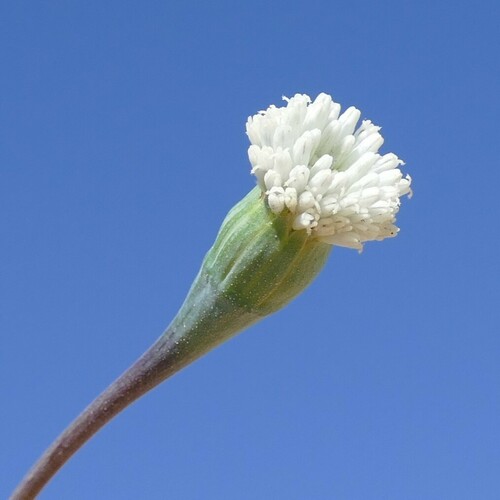
iNaturalist· cc-by-nc-sa
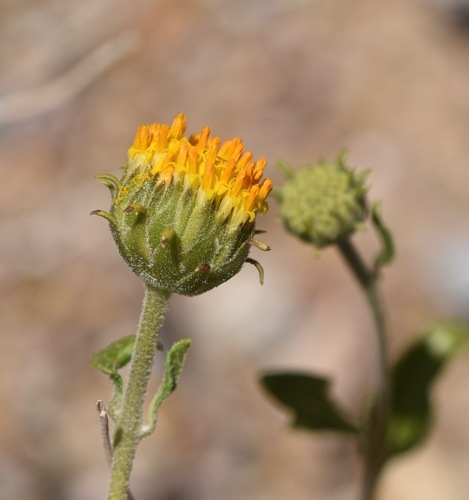
(c) David Hoare, some rights reserved (CC BY-NC-SA), uploaded by David Hoare
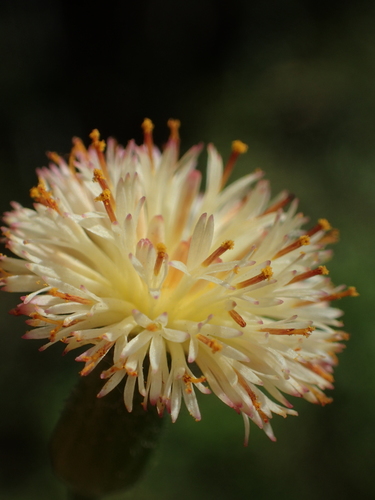
iNaturalist· cc-by-nc-sa
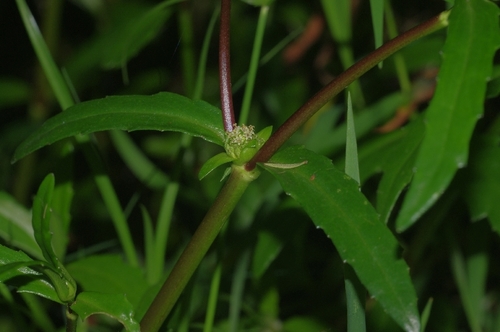
(c) Rupert Koopman, some rights reserved (CC BY-NC-SA)
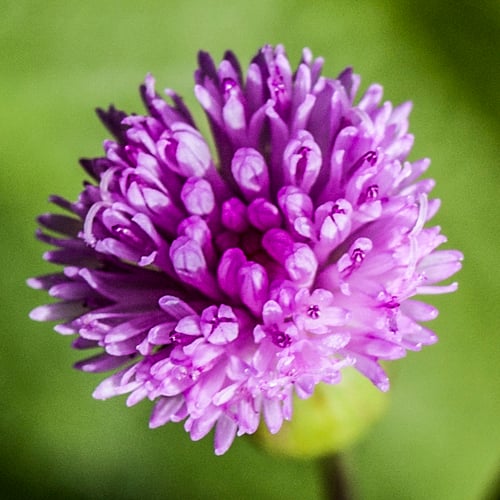
iNaturalist· cc-by-nc-sa
(c) Rupert Koopman, some rights reserved (CC BY-NC-SA)
Summary
Source: WikipediaTarchonanthus camphoratus (known as camphor bush for its scent, or leleshwa in Kenya), is a shrub or small tree which is widespread in Africa south of the Sahel, and in Yemen.
Description
A dense shrub or small tree. It grows 8 m tall. The trunk is 40 cm across. The bark is grey and cracked. The twigs have a felted covering. The leaf blade varies in size. It can be 2-8 cm long by 1-4 cm wide. It is narrowly oval. There is a white covering under the leaves. Male and female flowers are on separate plants. There are many flower heads in groups at the ends of branches.
Edible Uses
The leaves have a camphor-like taste and can be chewed, smoked, or taken as snuff. They are slightly narcotic. A tea can also be brewed from the leaves.
Traditional Uses
The camphor flavoured leaves are chewed. They are also used for tea. The roots are eaten in tonic soups.
This uses section is brief — help expand it
Medicinal Uses
The plant is used to treat bronchitis and other chest ailments, as well as chilblains, tired legs, and sore feet. Inhaling smoke from burning green leaves can relieve blocked sinuses and headaches. The leaves are antispasmodic, diaphoretic, narcotic, resolvent, and tonic. An infusion treats stomach ailments, heartburn, asthma, and anxiety. Boiling the leaves in water produces a drink that can help with coughing, toothache, abdominal pain, and bronchitis. The leaves can also be used to massage areas of body stiffness. Essential oil extracted from the leaves has excellent cosmetic and dermatological properties, particularly as a soothing, anti-irritation, and decongestant remedy for sensitive skin, dermatitis, sunburn, and bedsores. The root is an ingredient in tonic soups.
Distribution
A subtropical plant. It grows along rivers. It can be on Kalahari sand or on granite outcrops. It grows in hot arid places. It is often in places with a marked dry season. It grows in areas with an annual rainfall between 300-350 mm. It grows on dry sandy soils. It can grow on salty soils. It can tolerate salty soils. It is drought tolerant. It can grow in arid places.
Where It Grows
Africa, Angola, Arabia, Botswana, Central Africa, East Africa, Eswatini, Ethiopia, Kenya, Lesotho, Middle East, Namibia, Saudi Arabia, Somalia, South Africa, Southern Africa, Swaziland, Tanzania, Uganda, Yemen, Zambia, Zimbabwe,
Cultivation
A plant mainly of the drier tropics and subtropics, it is found at elevations from around sea level to 2,750 metres. It grows best in areas where annual daytime temperatures are within the range 17 - 33°c, but can tolerate 8 - 38°c. When dormant, the plant can survive temperatures down to about -2°c, but young growth can be severely damaged at -1°c. It prefers a mean annual rainfall in the range 300 - 600mm, but tolerates 150 - 800mm. Requires a sunny position. Tolerant of a range of soils, preferring deep soils but also commonly found on stony soils in the wild. Prefers a pH in the range 5.5 - 6.5, tolerating 5 - 7. The plant is drought tolerant, and can also withstand seasonal waterlogging. Plants are tolerant of salt-laden winds. In its natural range the wild camphor bush is an invasive colonizer. The plant is drought hardy, highly resistant to burning and cutting and can become a troublesome weed. The plant has a moderate growth rate of around 600 - 800mm/year. Young plants transplant easily. The tree responds well to coppicing, which is an important management practice. The leaves have a strong smell of camphor. A dioecious species, both male and female forms need to be grown if seed is required. Flowering Time: Late Winter/Early Spring Late Summer/Early Fall Mid Fall. Bloom Color: White/Near White Cream/Tan.
Propagation
Seed is traditionally sown in situ and takes approximately 56 days to germinate. Wild-collected seedlings are also transplanted into gardens. Cuttings of young wood can be taken, though these typically require rooting hormone to establish successfully.
Other Uses
Camphor bush has an extensive root system useful for dune fixation and prevention of soil erosion by wind and water. The tree is both drought and fire resistant — it shows little mortality even after three burnings — making it suitable for firebreaks and reclaiming dry land. It is wind-firm and responds well to trimming, serving as a tall hedge or windbreak for low winds. Its slow-decomposing leaves improve soil fertility. Essential oil extracted from the leaves is an effective natural insect repellent against mosquitoes, midges, and many biting insects. A product containing just 0.3% of the active ingredient provides 6–10 hours of protection, enough for a full night. This oil has been used in European cosmetic products since 1994. The leaves are carried as a natural deodorant. The cotton wool-like seed heads have been used to stuff cushions. The wood is close-grained, heavy, and termite resistant, and is recommended for musical instruments, joinery, fancy work, and general utensils. It also makes high-quality firewood that burns well even when green.
Notes
It is used in medicine.
Synonyms
Also Known As
Kifungu, Korumbati, Ligcebe lelimhlophe, Mhugwe, Mpavu
References (9)
- Facciola, S., 1998, Cornucopia 2: a Source Book of Edible Plants. Kampong Publications, p 44
- Fowler, D. G., 2007, Zambian Plants: Their Vernacular Names and Uses. Kew. p 77
- Long, C., 2005, Swaziland's Flora - siSwati names and Uses http://www.sntc.org.sz/flora/
- Royal Botanic Gardens, Kew (1999). Survey of Economic Plants for Arid and Semi-Arid Lands (SEPASAL) database. Published on the Internet; http://www.rbgkew.org.uk/ceb/sepasal/internet [Accessed 14th April 2011]
- Ruiters-Welcome, A. K., 2019, Food plants of southern Africa. Ph.D. thesis. Univ. of Johannesburg p 37
Show all 9 references Hide references
- Sp. pl. 2:842. 1753
- Welcome, A. K. & Van Wyk, B.-E., 2019, An inventory and analysis of the food plants of southern Africa. South African Journal of Botany 122 (2019) 136–179
- World Checklist of Useful Plant Species 2020. Royal Botanic Gardens, Kew
- www.worldagroforestrycentre.org/treedb/