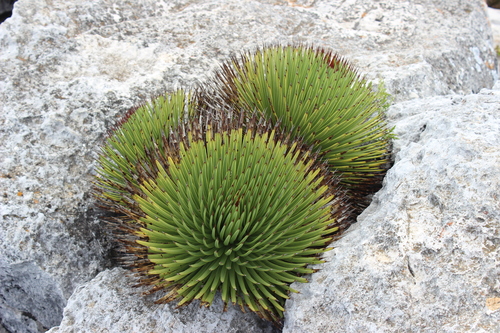
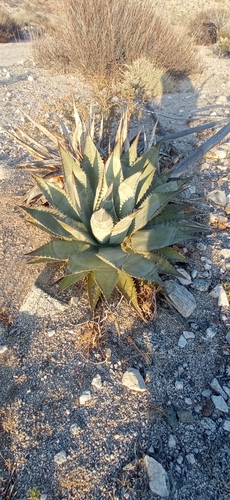
Agave lechuguilla
Torr
Ixtle, Chihuahua
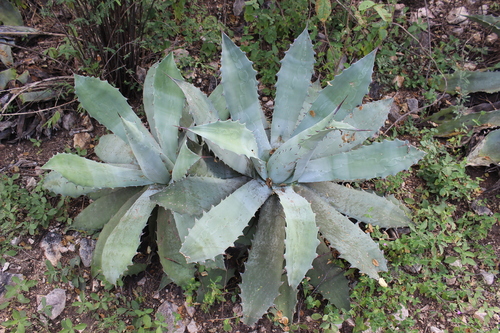
iNaturalist· cc-by
(c) Laura Gaudette, some rights reserved (CC BY), uploaded by Laura Gaudette
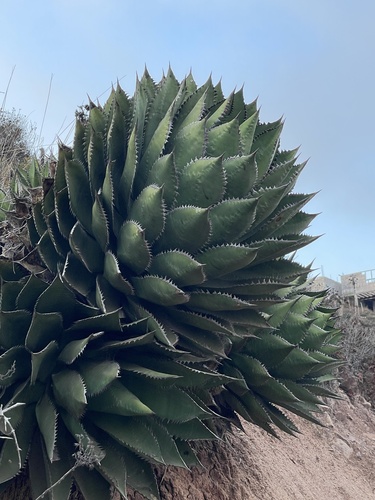
iNaturalist· cc-by-nc
(c) Patty Leslie Pasztor, some rights reserved (CC BY-NC), uploaded by Patty Leslie Pasztor
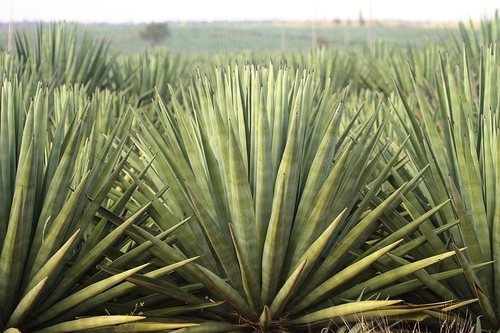
iNaturalist· cc-by
(c) Bob Nieman, some rights reserved (CC BY), uploaded by Bob Nieman
Description
Agave lechuguilla is an evergreen Perennial growing to 0.6 m (2ft) by 0.6 m (2ft in) at a medium rate. See above for USDA hardiness. It is hardy to UK zone 10. Suitable for: light (sandy), medium (loamy) and heavy (clay) soils, prefers well-drained soil and can grow in nutritionally poor soil. Suitable pH: neutral and basic (mildly alkaline) soils and can grow in very alkaline soils. It cannot grow in the shade. It prefers dry or moist soil and can tolerate drought. The plant can tolerate maritime exposure.
Edible Uses
The water stored in the flowering stalks of this plant, rich in salts and minerals, is sold in Mexico as a sport drink.
Medicinal Uses
Aztecs made a powerful antibiotic from a mixture of Lechuguilla juice and salt and used it as a dressing for wounds and a balm for skin infections.
Known Hazards
Sharp Leaves
Distribution
Mesoamerica. Mexico; United States (Texas, New Mexico). Found only in the Chihuahuan Desert, where it is an indicator species.
Where It Grows
NORTHERN AMERICA: United States (New Mexico (south), Texas), Mexico (Chihuahua, Coahuila de Zaragoza, Durango (east), Nuevo León, San Luis Potosí, Tamaulipas, Zacatecas (north), Hidalgo, Ciudad de México)
Cultivation
Agroforestry Services: Living fence Industrial Crop: Fiber Management: Standard Regional Crop. Climate: subtropical to tropical. Humidity: arid to humid. Lechuguilla is common on dry hills, plains, rocky slopes, and limestone highlands. Lechuguilla occupies habitats with semiarid continental climates. The Chihuahuan Desert averages 7.7 to 13.7 inches (196-348 mm) of annual precipitation, and summer temperatures above 100 °F (40 °C) are common. In the northern portion of the Chihuahuan Desert, precipitation averages 9.7 to 10.4 inches (245-265 mm), 70% to 80% of which falls in the summer. The average low winter temperature is 36 °F (2 °C) and mean summer high is 90 °F (31 °C). Throughout lechuguilla's range, the densest populations occur below 4,900 feet (1,500 m). Lechuguilla is shallowly rooted. The average depth is 4 inches (10 cm). It produces flowers after three to five years and dies after flowering. Threatened by deer and javelinas (peccaries) who eat it, however, it is poisonous to cattle. Carbon Farming Solutions - Cultivation: regional crop. Management: standard (Describes the non-destructive management systems that are used in cultivation).
Propagation
Propagation from offshoots is the fastest and most reliable method of agave plant production. Agave are difficult to grow from seed. Seeds readily germinate but seedling establishment is rare. Temperatures exceeding 95 °F (35 °C), however, decrease germination percentages. The lack of "specialized germination requirements" may limit lechuguilla's ability to establish by seed.
Other Uses
This species is mainly used in the fabrication of brushes and scrubbers (Nature. Serve 2009); the leaf fibres are used to make ropes (Spotted. Bird 2000). Utilization of lechuguilla fibers, soaps, foods, and drinks by southwestern people (US) was extensive historically and continues today. Lechuguilla fibers called "istles," Ixtili, or Tampico are strong and durable. Fibers were used to make ropes, twine, sacks, saddle cloths, basketry, paint brushes, sandals, hair brushes, and when formed into a cord was used in clothing construction. Lechuguilla nectar attracts hummingbirds, wasps, bees, butterflies, and beetles.
Synonyms
Also Known As
lechuguilla, Maguey lechuguilla, Shin Dagger, Tampico Fiber