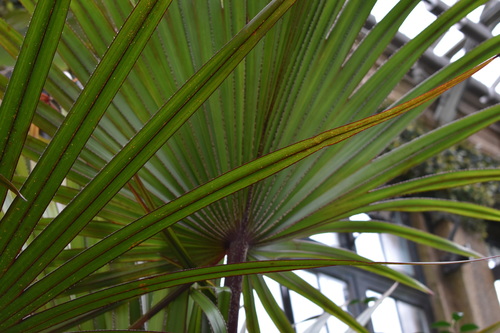
Attalea insignis
(Mart.) Drude
Yagua palm, Contillo palm
iNaturalist· cc-by-nc
(c) Riley Fortier, some rights reserved (CC BY-NC)
iNaturalist· cc-by-nc
(c) Riley Fortier, some rights reserved (CC BY-NC)
iNaturalist· cc-by-nc
(c) Mayk Oliveira, some rights reserved (CC BY-NC)
Description
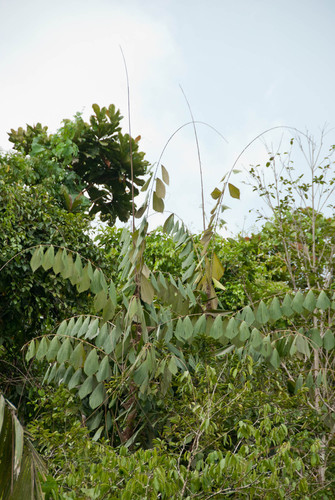
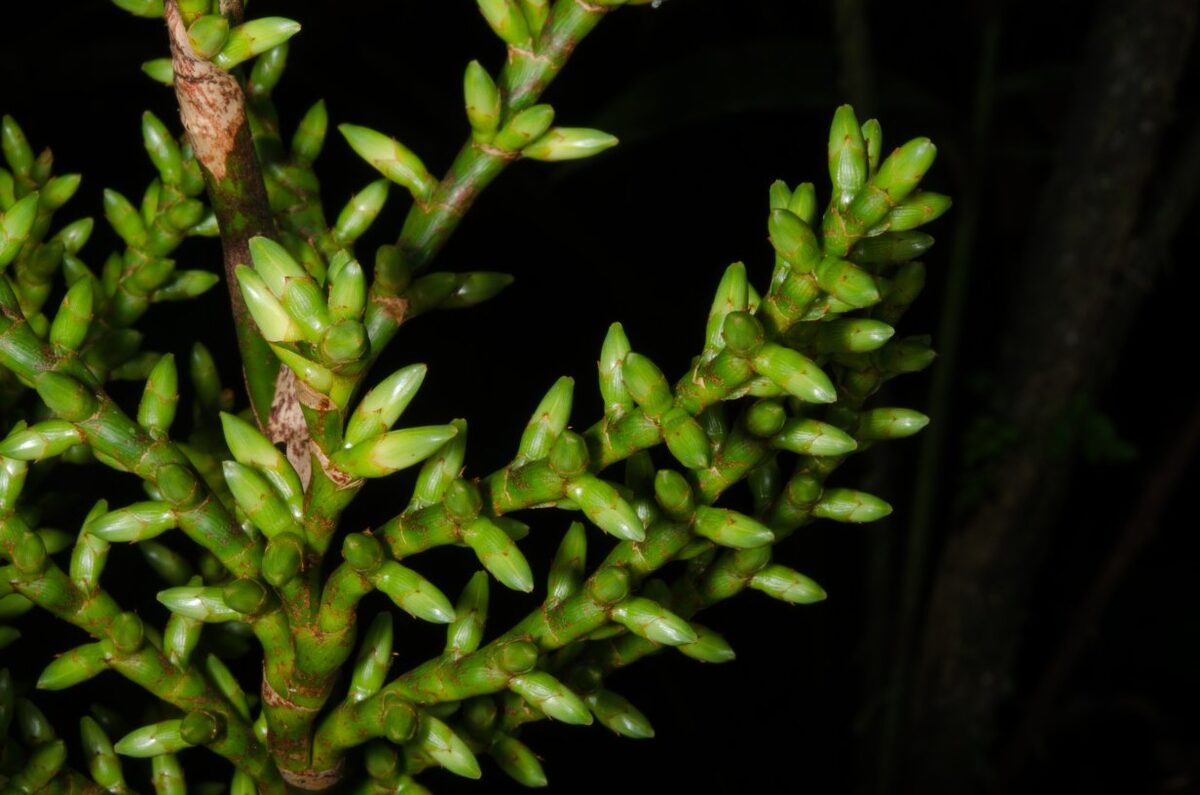
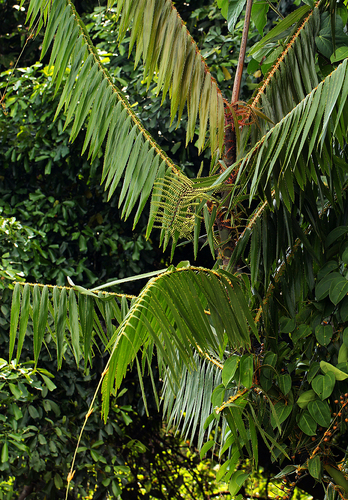
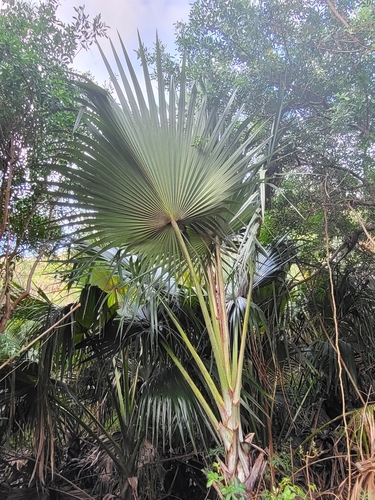
A solitary palm. The stem is short or underground. There are 9-11 leaves in the crown. They have leaflets along the stalk. The leaf stalks are long. They can be 1.6-3.3 m long. The leaflets are arranged irregularly in clusters. They spread in different planes. The flowering shoot is from among the leaves. It is erect and on a long stalk. The fruit is oval to oblong and 7-7.5 cm long by 3.5-4 cm wide. They are brownish and have 2-3 seeds.
Edible Uses
The fruit and seeds are eaten, and the shoots are burnt to produce a vegetable salt.
Traditional Uses
The shoots are burnt for vegetable salt.
This uses section is brief — help expand it
Distribution
A tropical plant. It grows in lowland rainforests and up to 600 m above sea level.
Where It Grows
Amazon, Asia, Brazil, Colombia*, Ecuador, Indonesia, Peru, SE Asia, South America,
Cultivation
Plants can be grown from seeds.
Synonyms
Also Known As
Barikai, Edi ni, Genka yapa, Gomankowe, Inajuga, Ocohua'jo, Palem yagua, Palma de ramo, Shapaja, Urcuri, Urkusi
References (9)
- Balick, M.J. and Beck, H.T., (Ed.), 1990, Useful palms of the World. A Synoptic Bibliography. Colombia p 50 (As Scheelea attaleoides)
- Gilmore, M. P., et al, 2013, The socio-cultural importance of Mauritia flexuosa palm swamps (aguajales) and implications for multi-use management in two Maijuna communities of the Peruvian Amazon. Journal of Ethnobiology and Ethnomedicine 2013, 9:29
- Kermath, B. M., et al, 2014, Food Plants in the Americas: A survey of the domesticated, cultivated and wild plants used for Human food in North, Central and South America and the Caribbean. On line draft. p 108
- Lopez-Diago, D. & Garcia, N., 2021, Wild edible fruits of Colombia. Biota ColomBiana 22 (2) p 30
- Marcia, M. J., et al, 2011, Palm Uses in Northwestern South America: A Quantitative Review. Bot. Rev. (2011) 77:462-570
Show all 9 references Hide references
- Roa, J. A. G. & Boada, D. S. G., 2018, Fundación para el Fortalecimiento de la Fruticultura y Plantas Alimenticias no Convencionales en Colombia.
- Sukarya, D. G., (Ed.) 2013, 3,500 Plant Species of the Botanic Gardens of Indonesia. LIPI p 757
- Torre, de la L., et al, 2008, Enciclopedia de las Plantas Útiles del Ecuador. Herbario QCA. Pontificia Universidad Católica del Ecuador. p 194
- World Checklist of Useful Plant Species 2020. Royal Botanic Gardens, Kew