Combretum apiculatum
Sond.
Red bushwillow, Rooibos
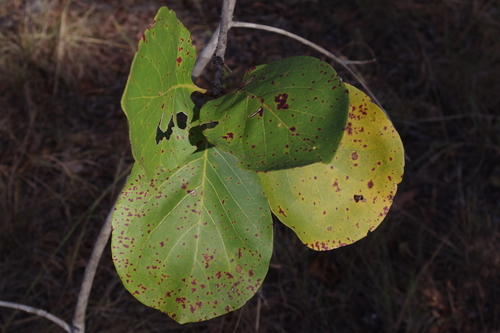
iNaturalist· cc-by-nc
(c) Troos van der Merwe, some rights reserved (CC BY-NC), uploaded by Troos van der Merwe
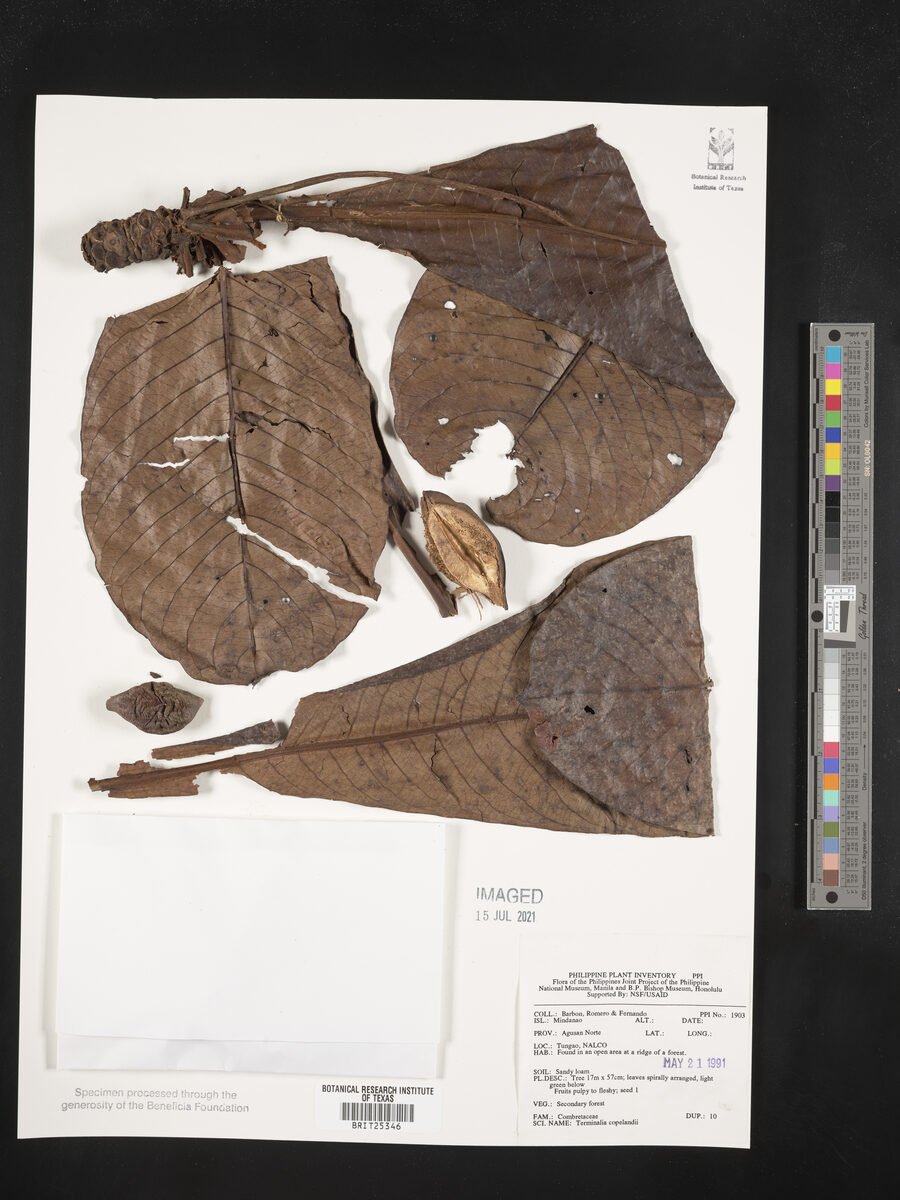
iNaturalist· cc-by-nc
(c) Riana Fourie, some rights reserved (CC BY-NC)
Summary
Source: WikipediaCombretum apiculatum is a species of tree in the family Combretaceae known by the common name red bushwillow. It is native to the mesic to semi-arid savanna regions of Africa, southwards of the equator.
Description
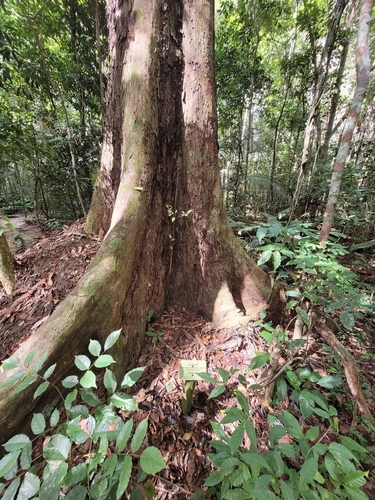
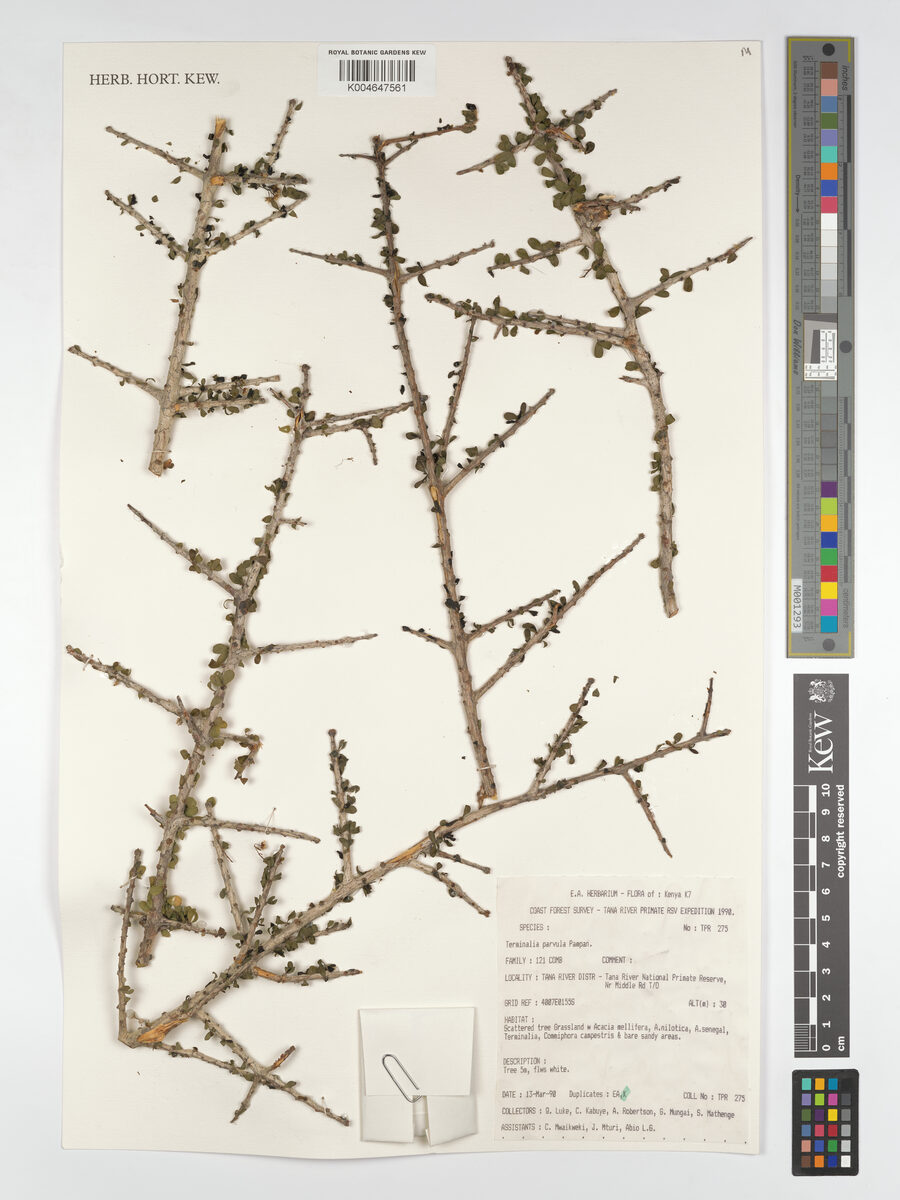
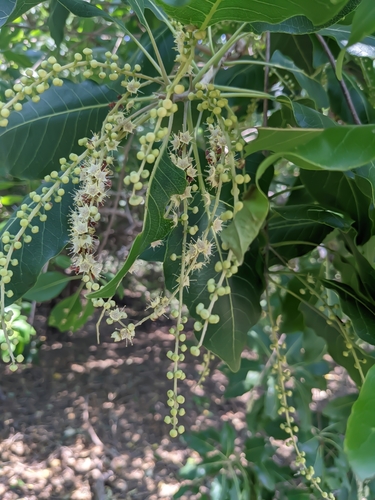
A small tree. It loses its leaves during the year. It has several stems. The trunk is short and crooked. The bark is rough and dark grey. It cracks into a grid like pattern. The leaves are opposite. They are simple and broadly oval. The flowers are in spikes in the axils of leaves. They are small and creamy-yellow. The fruit has 4 wings. It is 20-30 mm long by 15-25 mm wide. It is yellowish green.
Edible Uses
The leaves are brewed into tea, and a dark red gum from the tree is edible.
Traditional Uses
A dark red gum is edible. The leaves are used for tea.
This uses section is brief — help expand it
Distribution
A tropical plant. It grows at low altitude in rocky places in the bushveld. It can grow in dry and salty soils. It grows between 30-1,830 m above sea level. It can grow in arid places.
Where It Grows
Africa, Angola, Botswana, Central Africa, East Africa, Eswatini, Europe, Kenya, Malawi, Mediterranean, Mozambique, Namibia, Portugal, South Africa, Southern Africa, Swaziland, Tanzania, Zambia, Zimbabwe,
Cultivation
Plants can be grown from seeds. The seeds should be removed from their covering and soaked in water for 5-10 hours. Seeds should be planted shallowly. Seeds germinate in 8-16 days. Seedlings should be transplanted when the first true leaf appears.
Propagation
Seed - Cuttings of half-ripe wood.
Other Uses
The wood is very hard. It is a preferred species for making pestles.
Production
Plants grows slowly. They may reach 3 m in 4 years.
Synonyms
Also Known As
Chikukute, Chivonzane, Ginana, Hairy kudu bush, Kalanga, Mohudiri, Mokrolari, Mpotsa, Mudziyaishe, Mugodo, Mugoro, Omumbuti, Omunaluko, Omurama, Tsingidzi, Umbhondo
References (18)
- Fowler, D. G., 2007, Zambian Plants: Their Vernacular Names and Uses. Kew. p 19
- Fox, F. W. & Young, M. E. N., 1982, Food from the Veld. Delta Books. p 157
- Grivetti, L. E., 1980, Agricultural development: present and potential role of edible wild plants. Part 2: Sub-Saharan Africa, Report to the Department of State Agency for International Development. p 79
- Linnaea 23:45. 1850
- Mannheimer, C. A. & Curtis. B.A. (eds), 2009, Le Roux and Muller's Field Guide to the Trees and Shrubs of Namibia. Windhoek: Macmillan Education Namibia. p 352
Show all 18 references Hide references
- Palmer & Pitman, 1972,
- Peters, C. R., O'Brien, E. M., and Drummond, R.B., 1992, Edible Wild plants of Sub-saharan Africa. Kew. p 85
- Roodt, V., 1998, Trees & Shrubs of the Okavango Delta. Medicinal Uses and Nutritional value. The Shell Field Guide Series: Part 1. Shell Botswana. p 194
- Royal Botanic Gardens, Kew (1999). Survey of Economic Plants for Arid and Semi-Arid Lands (SEPASAL) database. Published on the Internet; http://www.rbgkew.org.uk/ceb/sepasal/internet [Accessed 10th April 2011]
- Ruiters-Welcome, A. K., 2019, Food plants of southern Africa. Ph.D. thesis. Univ. of Johannesburg p 44
- Story, 1958,
- Sullivan, S., 1998, People plants and practice in drylands: Socio-political and ecological dimensions of resource-use by Damara farmers in north-west Namibia. Ph.D. Univ. College London. p 31
- Swaziland's Flora Database http://www.sntc.org.sz/flora
- van Wyk, B, van Wyk, P, and van Wyk B., 2000, Photographic guide to Trees of Southern Africa. Briza. p 87
- Venter, F & J., 2009, Making the most of Indigenous Trees. Briza. p 102
- Welcome, A. K. & Van Wyk, B.-E., 2019, An inventory and analysis of the food plants of southern Africa. South African Journal of Botany 122 (2019) 136–179
- World Checklist of Useful Plant Species 2020. Royal Botanic Gardens, Kew
- www.zimbabweflora.co.zw 2011