Diospyros samoensis
A Gray
Samoan ebony
iNaturalist· cc-by-nc
(c) Shankar Meyer, some rights reserved (CC BY-NC), uploaded by Shankar Meyer
iNaturalist· cc-by-nc
(c) jp_poigoune, some rights reserved (CC BY-NC)
iNaturalist· cc-by-nc
(c) jp_poigoune, some rights reserved (CC BY-NC)
Description
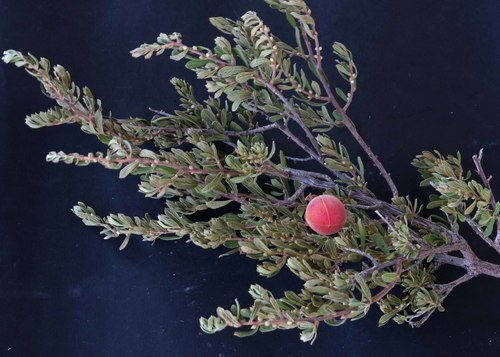
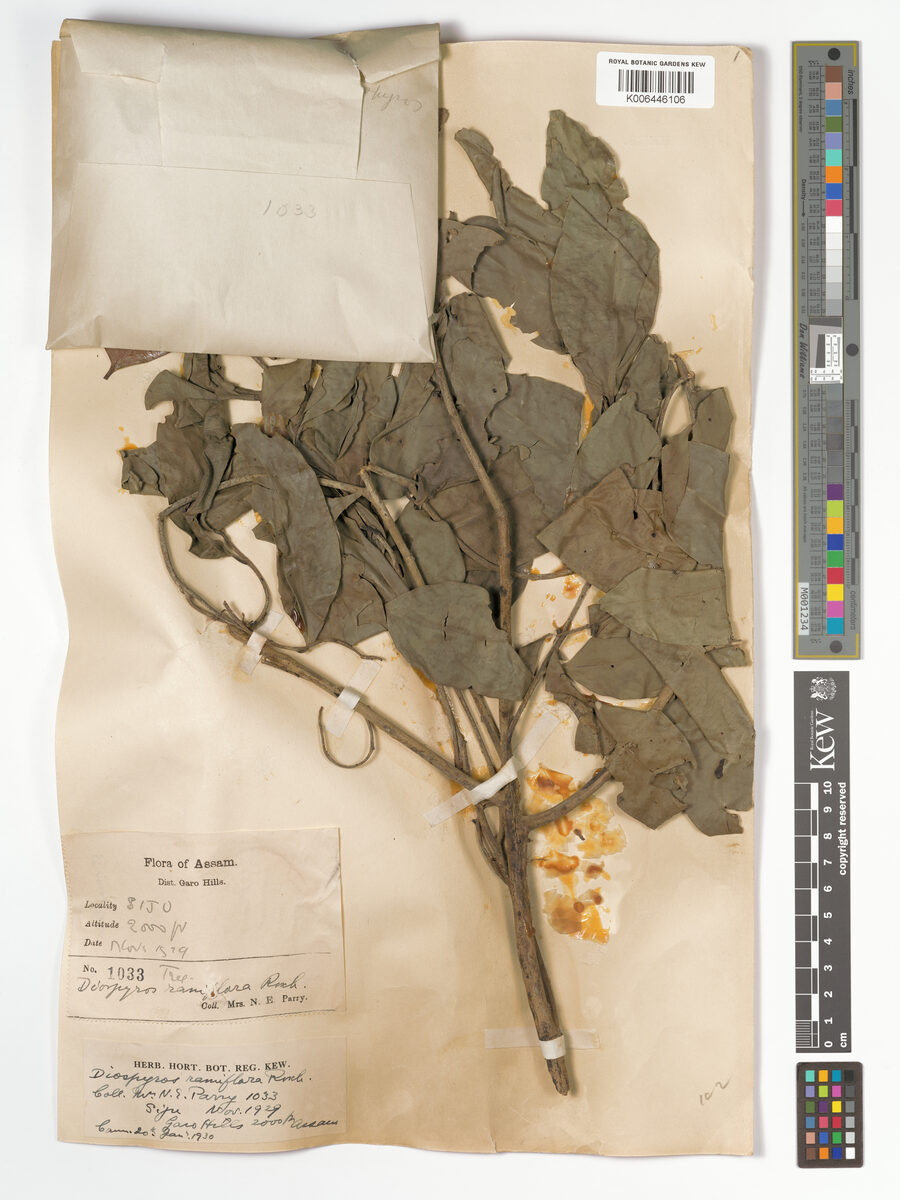
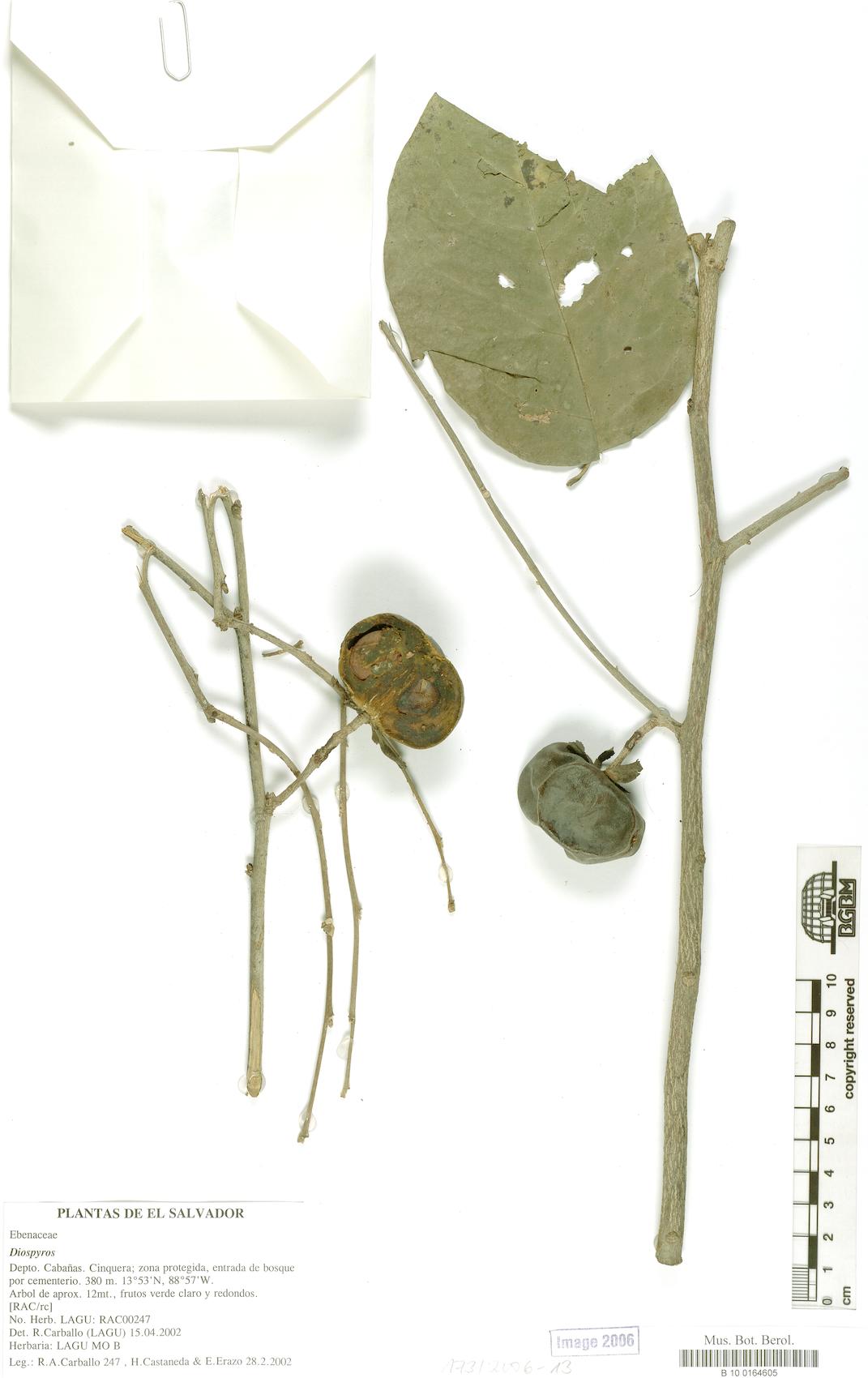
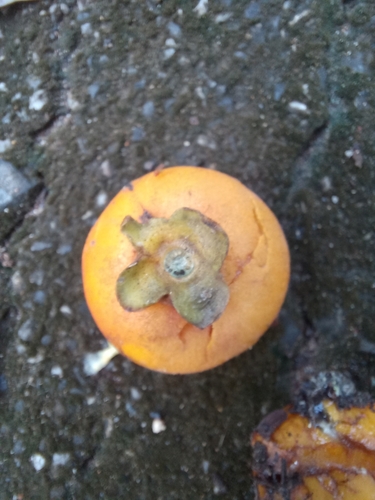
A medium sized tree. It grows 15 m high. The stems can have soft hairs when young. The bark is dark and almost black. The leaves are simple and alternate. They are narrowly oval to sword shaped and 6-16 cm long. They are rounded or wedge shaped at the base and taper near the tip. The upper leaf surface is darker with a yellow midrib. Male and female flowers are separate on separate trees. There are 3-13 male flowers in a cluster. Female flowers occur singly. The fruit are yellow or red. They are 1.6-2.5 cm across. The calyx lobes remain on the fruit and curve back. There are 8-10 seeds and they are 1-1.5 cm long.
Edible Uses
The seeds are eaten, though the plant is probably used only as a famine food.
Traditional Uses
The seeds are eaten.
This uses section is brief — help expand it
Known Hazards
Likely a famine food only.
Distribution
A tropical plant. It grows in coastal and mountain forest. It grows from sea level to 600 m altitude in Samoa. It is usually on limestone.
Where It Grows
Fiji, Niue, Pacific, Rotuma, Samoa, Tonga, Vanuatu, Wallis and Futuna,
Production
Flowering and fruiting occur throughout the year.
Other Information
It is probably only a famine food.
Also Known As
'au'auli, Salvoroanga
References (4)
- Cabalion, P. and Morat, P., 1983, Introduction le vegetation, la flore et aux noms vernaculaires de l'ile de Pentcoste (Vanuatu), In: Journal d'agriculture traditionnelle et de botanique appliquee JATBA Vol. 30, 3-4
- Franklin, J., Keppel, G., & Whistler, W., 2008, The vegetation and flora of Lakeba, Nayau and Aiwa Islands, Central Lau Group, Fiji. Micronesica 40(1/2): 169–225, 2008
- Liefting, A., et al, Samoan plant names. http://en.wikipedia.org
- Whistler, W.A., 2004, Rainforest Trees of Samoa. Isle Botanica Honolulu, Hawaii. p 50