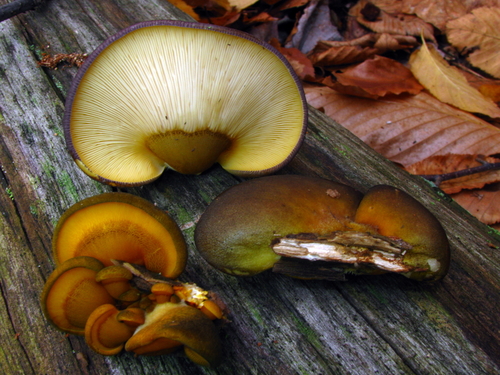
Armillaria tabescens
(Scop.) Dennis, Orton & Hora
Ringless armillaria, Ringless honey mushroom
iNaturalist· cc-by-nc
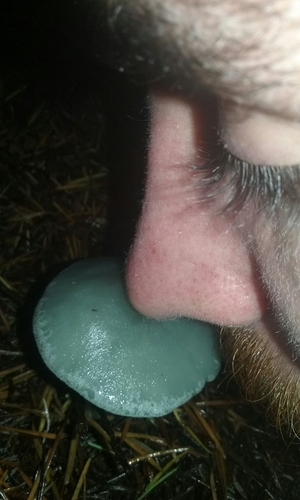
(c) Massimo Tabone, some rights reserved (CC BY-NC)
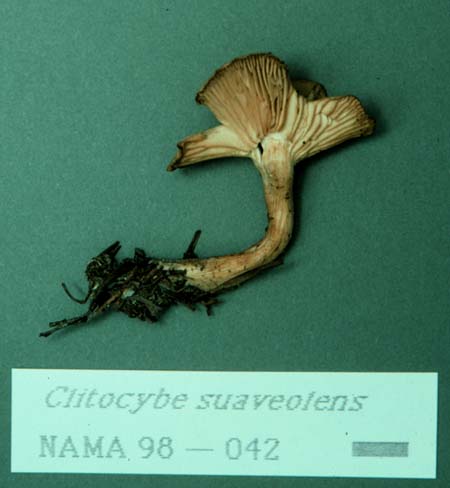
iNaturalist· cc-by-nc
(c) rubescens, some rights reserved (CC BY-NC)
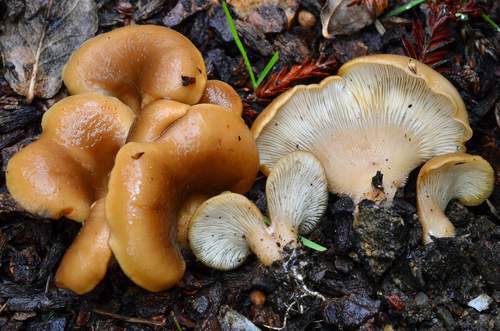
iNaturalist· cc-by-nc
(c) rubescens, some rights reserved (CC BY-NC)
Description
A fungal mushroom in the family Tricholomataceae, found in tropical regions.
This description is brief — help expand it
Edible Uses
The mushroom fruiting body is eaten and is traditionally preserved in olive oil.
Traditional Uses
The mushroom is preserved in olive oil.
This uses section is brief — help expand it
Distribution
It is a tropical plant.
Where It Grows
Africa, Asia, Central America, China, Costa Rica, East Africa, Europe, Greece, Himalayas, Italy, Mediterranean, Mexico, Nepal, North America, Rwanda, Sicily, Turkey, Türkiye,
Dangerous Lookalikes
This plant can be confused with the following toxic species. Always verify identification carefully before consuming any wild plant.
Deadly Galerina (Funeral Bell)
Galerina marginata
Alan Rockefeller
Ringless armillaria
Armillaria tabescens
(c) Massimo Tabone, some rights reserved (CC BY-NC)
Deadly Galerina (Funeral Bell): Rusty-brown spore print, smooth brown cap, thin fragile ring, grows in smaller clusters.
Ringless armillaria: White spore print, brown-black scales on cap, prominent white ring on stem, grows in large clusters.
Synonyms
Also Known As
Fanguang mihuangjun
References (10)
- Boa, E. R., 2004, Wild edible fungi and their importance to people. FAO Non Wood Forest Products Booklet 17
- Caballero, J. N., & Mapes, C. S., 1985, Gathering and Subsistence Patterns among the P'urhepecha Indians of Mexico. J. Ethnol. 5(1): 31-47
- Degreef, J., et al, 2016, Wild edible mushrooms, a valuable resource for food security and rural development in Burundi and Rwanda. Biotechnol. Agron. Soc. Environ. 2016 20(4), 441-452
- Dongol, et al, 1995, Edible Mushrooms in Nepal (As Armillariella tabescens)
- efta-online.org, Edible Fungi of Tropical Africa, Jardin botanique Meise
Show all 10 references Hide references
- Lentini, F. and Venza, F., 2007, Wild food plants of popular use in Sicily. J Ethnobiol Ethnomedicine. 3: 15
- Ouzouni, P. K., et al, 2009, Nutritional value and metal content of wild edible mushrooms collected from West Macedonia and Epirus, Greece. Food Chemistry 115: 1575-1580
- Schneider, E., 2001, Vegetables from Amaranth to Zucchini: The essential reference. HarperCollins. p 314
- www.plantnames.unimelb.edu.au
- Yildiz, A et al, 2005, Organic elements and protein in some macrofungi of south east Anatolia in Turkey. Food Chemistry 89: 605-609