Stachys officinalis
(L.) Trevis.
Wood Ebony, Bishopwort, Betony
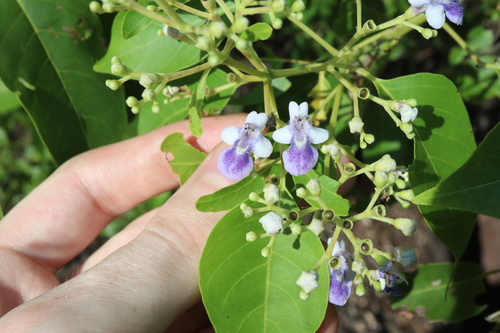
iNaturalist· cc-by-nc
(c) David Paloch, some rights reserved (CC BY-NC)
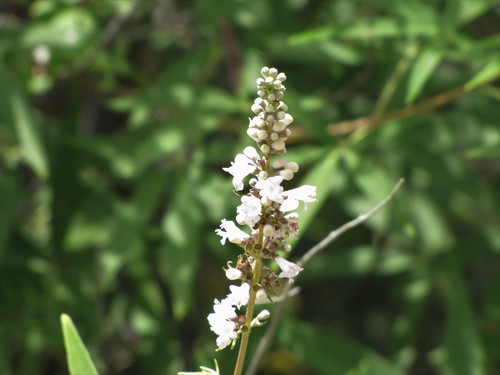
iNaturalist· cc-by-nc
(c) David Paloch, some rights reserved (CC BY-NC)
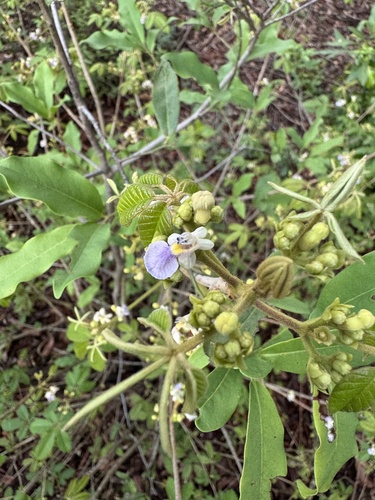
iNaturalist· cc-by-nc
(c) David Paloch, some rights reserved (CC BY-NC)
Summary
Source: WikipediaA fast-growing perennial reaching 0.6 m (2 ft) tall and 0.5 m (1 ft 8 in) wide, hardy to UK zone 5 and not frost tender. Flowers June through September with seeds ripening July to October. Bee-pollinated hermaphroditic flowers. Tolerates light sandy and medium loamy soils, prefers good drainage, and can grow in heavy clay. Accepts mildly acidic to mildly alkaline pH. Grows in semi-shade or full sun and prefers moist soil. Attracts wildlife.
Description
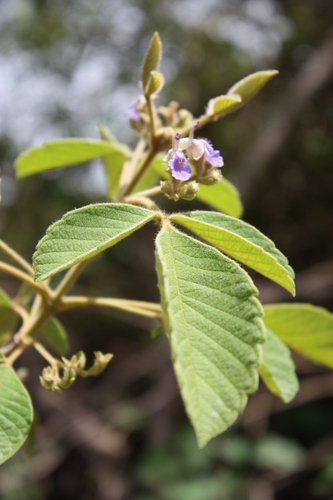
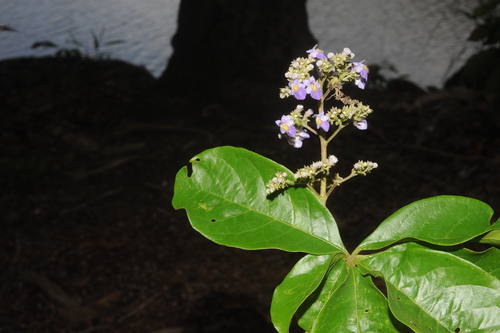
The plant has underground stems. The above ground stem is 50-100 cm long. It has lines along it. There are also dense fine hairs. The leaf stalk of the leaves on the stem are 4-7.5 cm long. The leaf blades near the base are oval and 8-12 cm long by 3-5 cm wide. They are hairy. The leaves up the stem are shorter. The spikes are about 4 cm long. The flowers are purple.
Edible Uses
The leaves and flowering tops make a good tea substitute — refreshing and aromatic, with all the pleasant qualities of tea and none of the negative ones.
Traditional Uses
The leaves and flowering tops are used to make an infusion used as tea. They are also cooked as a vegetable.
This uses section is brief — help expand it
Medicinal Uses
Wood betony was once widely used, particularly as a nervine and tonic for complaints of the head and as an external treatment for wounds. It also stimulates the digestive system and liver, producing an overall tonic effect. Today it is used less frequently and more often as part of herbal blends. The whole plant is collected in flower during summer and can be dried for later use. It is anthelmintic, antiseptic, astringent, carminative, mildly cathartic, cholagogue, digestive, diuretic, mildly emetic, emmenagogue, expectorant, nervine, sedative, sternutatory, tonic, and vulnerary. It is taken for frayed nerves, pre-menstrual complaints, poor memory, and tension. Combined with comfrey (Symphytum officinale) and lime flowers (Tilia species), it can treat sinus headaches and congestion. Taken alone or with yarrow (Achillea millefolium), it can staunch nosebleeds. A pinch of the powdered herb provokes violent sneezing and has been used in herbal snuff mixtures for headaches. A homeopathic remedy made from the fresh plant is used for asthma and excessive perspiration.
Distribution
It is a temperate plant.
Where It Grows
Africa, Asia, Australia, Balkans, Bosnia, Canada, Caucasus, Central Asia, China, Europe, Iran, Lithuania, Luxembourg, Middle East, North America, Tasmania, Turkey, Türkiye, USA,
Propagation
Sow seed in spring in a cold frame. Prick seedlings into individual pots once large enough to handle and plant out in summer. Division in spring is very easy and can be done successfully at almost any time of year. Larger divisions can go directly into permanent positions, while smaller ones do best potted up and grown on in a lightly shaded cold frame until well established before planting out in summer.
Other Uses
A fine yellow dye is obtained from the leaves.
Other Information
It is cultivated in China. It is mainly used in medicine.
Notes
There are about 15 Betonica species. Betonica are sometimes put in Stachys.
Synonyms
Also Known As
Betony, Bishop's wort, Cistac, Yao shui su
References (9)
- Bodkin, F., 1991, Encyclopedia Botanica. Cornstalk publishing, p 144 (As Betonica officinalis)
- Brown, D., 2002, The Royal Horticultural Society encyclopedia of Herbs and their uses. DK Books. p 142
- Esperanca, M. J., 1988. Surviving in the wild. A glance at the wild plants and their uses. Vol. 1. p 98
- Facciola, S., 1998, Cornucopia 2: a Source Book of Edible Plants. Kampong Publications, p 136
- Kermath, B. M., et al, 2014, Food Plants in the Americas: A survey of the domesticated, cultivated and wild plants used for Human food in North, Central and South America and the Caribbean. On line draft. p 131 (As Betonica officinalis)
Show all 9 references Hide references
- Li Hai-wen, Hedge, I.C., Lamiaceae. Flora of China. p 230 (As Betonica officinalis)
- Prosp. fl. Eugan. 26. 1842
- Redzic, S. J., 2006, Wild Edible Plants and their Traditional Use in the Human Nutrition in Bosnia-Herzegovina. Ecology of Food and Nutrition, 45:189-232
- Seidemann J., 2005, World Spice Plants. Economic Usage, Botany, Taxonomy. Springer. p 65 (As Betonica officinalis)