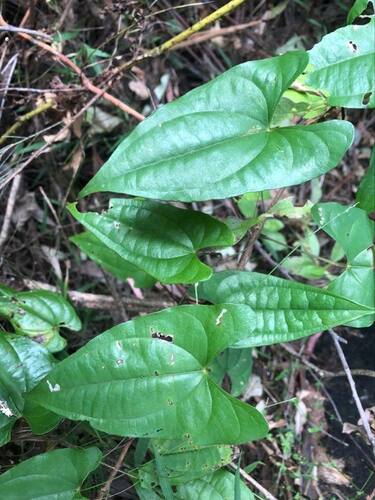
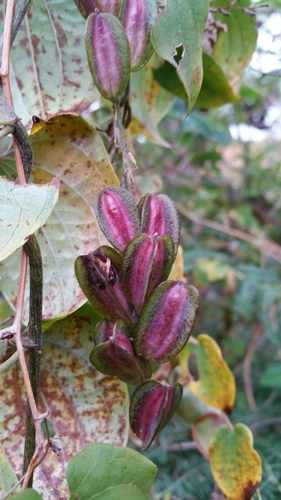
Tacca dubia
Schult. f.
Tacca
No photos yet for Tacca dubia
Sign in to contribute a photoDescription
A tropical herb in the Dioscoreaceae family (also classified in Taccaceae).
This description is brief — help expand it
Medicinal Uses
The tubers of Polynesian arrowroot contain starch, making it an important food source for many Pacific Island cultures, primarily for the inhabitants of low islands and atolls. Polynesian arrowroot was prepared into a flour to make a variety of puddings. The tubers are first grated and then allowed to soak in fresh water. The settled starch is rinsed repeatedly to remove the bitter taste from taccalin, a kind of poisonous substance, and then dried. The flour was mixed with mashed taro, breadfruit, or pandan fruit extract and mixed with coconut cream to prepare puddings. In Hawaii, a local favorite is haupia, which was originally made with pia flour, coconut cream and kō (cane sugar). Today, Polynesian arrowroot has been largely replaced by cornstarch. The starch was additionally used to stiffen fabrics, and on some islands, the stem's bast fibres were woven into mats. In traditional Hawaiian medicine the raw tubers were eaten to treat stomach ailments. Mixed with water and red clay, the plant was consumed to treat diarrhea and dysentery. This combination was also used to stop internal hemorrhaging in the stomach and colon and applied to wounds to stop bleeding.
Distribution
A tropical plant.
Where It Grows
Asia, Malaysia, SE Asia,
Notes
Also put in the family Taccaceae.
References (1)
- Hedrick, U.P., 1919, (Ed.), Sturtevant's edible plants of the world. p 638